
Troopers Say These 9 Phrases Can Escalate a Winter Traffic Stop

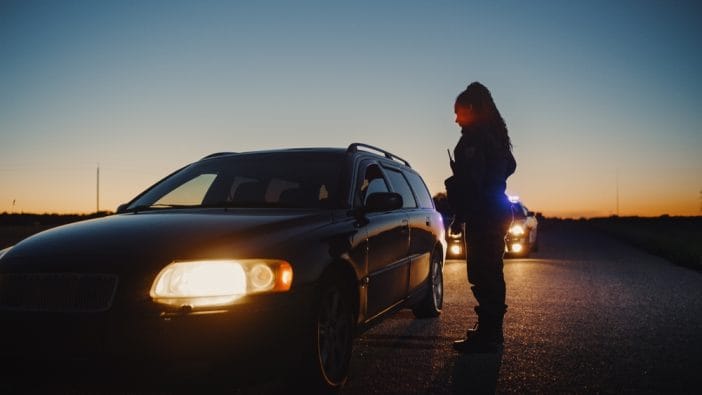
Snow swirling in your headlights, icy pavement under your tires, flashing lights in your rearview mirror—winter traffic stops already come with a built-in stress multiplier. Your heart rate jumps, your hands get cold, and suddenly your brain starts offering up terrible dialogue options like it’s auditioning for a courtroom drama. What you say in those first few moments matters more than most drivers realize, especially when weather conditions already make everything more tense and unpredictable.
State troopers are trained for dangerous winter conditions, and they’re watching for safety, compliance, and judgment, not jokes, excuses, or emotional reactions.
1. “Everyone Else Was Driving Like This Too”
This one feels logical in the moment, but it lands terribly in real life. Saying this immediately shifts responsibility away from you, which signals avoidance instead of accountability. Troopers are not pulling over “everyone else,” they’re pulling over the car in front of them, and that’s the only situation that matters.
In winter conditions, this line sounds especially reckless because “everyone else” might also be driving unsafely on ice or snow. A better approach is calm acknowledgment and a respectful tone, not comparison. Focus on being cooperative, not defensive.
2. “I Didn’t See The Speed Limit Sign”
This sounds harmless, but it often signals a lack of awareness, not innocence. In winter conditions, visibility already matters more, and troopers expect drivers to adjust speed regardless of signage. Saying you didn’t see the sign suggests you weren’t fully attentive, which does not help your case. It also shifts the conversation toward driver responsibility rather than situational conditions.
A calmer response is simply listening and responding respectfully to instructions. Silence is often smarter than explanations.
3. “I’m Late For Work / My Kids / An Appointment”
Time pressure does not override traffic laws, especially in hazardous weather. Winter stops already involve safety risks, and urgency can make you sound reckless rather than responsible. Troopers hear this excuse constantly, and it rarely changes outcomes. More importantly, it reframes the stop as your inconvenience instead of public safety.
If you want the stop to go smoothly, keep the focus on cooperation, not your schedule. Emergencies require emergency services, not roadside arguments.
4. “This Is Just A Quota Stop”
Accusing an officer of quota-based enforcement instantly escalates tension. It questions integrity, motive, and professionalism in one sentence. Even if you feel frustrated, this line almost guarantees a colder interaction. Troopers are trained to remain calm, but confrontational language changes the tone fast.
Winter conditions already demand higher alertness and caution from officers. Respectful communication keeps the interaction calm and controlled.
5. “I Know My Rights, And I’m Not Answering Anything”
Knowing your rights matters, but broadcasting it aggressively does not help you. You can legally remain silent, but announcing it in a confrontational way changes the tone of the stop. Troopers still need basic cooperation for safety, such as a license and registration.
Winter stops already involve risk due to weather and traffic conditions. Calm, polite compliance paired with limited communication works far better than verbal confrontation. Assert rights quietly, not theatrically.
6. “I Only Had One Drink”
Never volunteer information that can escalate the stop. This statement immediately introduces suspicion where there may not have been any. In winter conditions, impaired driving enforcement is already heightened due to higher accident risk.
Even casual remarks can shift the entire direction of the stop. If the question isn’t asked, do not introduce it. Keep your responses focused and minimal.
7. “You Should Be Stopping Real Criminals”
This line insults the officer’s role and mission directly. Traffic enforcement exists because unsafe driving causes injuries and deaths, especially in winter conditions. Dismissing that responsibility comes off as disrespectful and hostile. It reframes the interaction as a power struggle instead of a safety check.
Even if frustration is understandable, this statement never improves outcomes. Calm respect is always the safer strategy.
8. “My Friend’s A Cop”
This does not impress anyone, and it doesn’t create special treatment. It often comes across as an attempt to gain influence or leverage. Troopers operate under policy and procedure, not personal connections.
In some cases, it can even make the interaction more formal and rigid. Winter stops demand professionalism and clarity, not name-dropping. Stick to respectful, straightforward communication.
9. “This Is Ridiculous”
Dismissing the stop immediately puts the officer on the defensive. It communicates emotional reaction instead of rational engagement. In winter conditions, where safety risks are already elevated, emotional language increases tension. Troopers prioritize calm, predictable interactions because unpredictability creates danger. Staying composed helps the stop stay short and uneventful. Emotional escalation never works in your favor.
How Smart Words Keep You Safer On Winter Roads
Winter traffic stops are about safety first, not winning arguments or proving points. Calm, respectful communication reduces risk, speeds up the process, and protects both you and the officer. You don’t have to admit guilt, explain your life story, or justify every action. Politeness, cooperation, and emotional control are your best tools in any roadside interaction.
What’s the one thing you’ve said during a traffic stop that you instantly wished you could take back—and what did it teach you about handling pressure in the moment? Hop into the comments section and share your story.
You May Also Like…
State Troopers: Why Your Truck Bed Setup Might Be a Felony
State Troopers: The Way Men Carry Tools in Their Trucks Is Quietly Violating 2026 Weapon Laws
6 Holster Positions That Are Getting Men Arrested During Traffic Stops
This Common Tool Use Can Violate Local Laws in Certain States
A Fourth Traffic Light Color May Soon Appear in America—And It’ll Change Driving Forever
