
9 Most Useless Features on Modern Cars
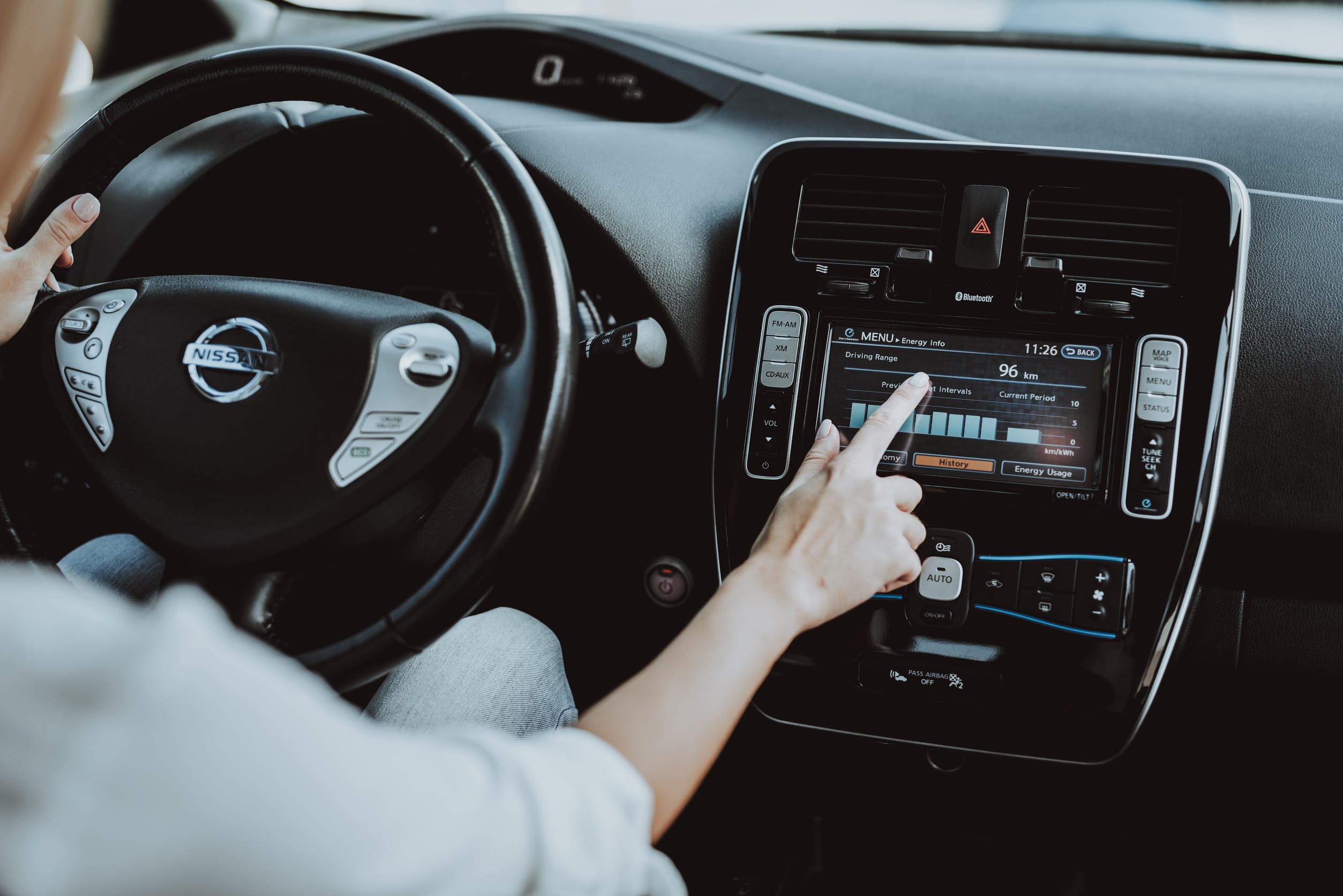
We all love fancy new tech in cars—until we realize some of those bells and whistles are more annoying than helpful. Knowing which features are truly useless car features can help you avoid overpaying, reduce frustration, and make better decisions when shopping or leasing. If you’re tired of paying for fluff, this list of nine useless car features will open your eyes.
1. Gesture Controls
Gesture controls promise futuristic interaction with your car—wave your hand to change volume or skip tracks. But in practice, sensors often misread or lag, turning a quick adjustment into a guessing game. You end up making awkward motions, getting frustrated, and reverting to physical buttons or voice commands. Many owners say they disable gesture features the moment they get in the car, which suggests it’s more gimmick than helpful. When you’re driving, you want things simple and predictable, not magic tricks gone wrong.
2. Social Media / Messaging Integration
Some new cars let you send messages, view social media feeds, or even display posts on your infotainment screen. Seems cool until you consider that this can distract you and clutter your screen interface. Between lag, tiny text, or compatibility issues, most of us spend more time struggling than enjoying it. Also, these features require constant updates or risk becoming unusable as apps evolve. For safety and usability, simpler is usually better—hands off the feed and on the road.
3. Early Voice Recognition Systems
Voice control is supposed to let you multitask safely, but early voice recognition systems were underwhelming. They misinterpret accents, background noise, and informal speech. You might say, “play jazz,” and the car orders you, “pay gas.” Many drivers give up after repeated failures. As systems improve, this may get better, but the legacy features still around are often more frustrating than useful. Until voice commands are reliably accurate, they count as one of the more useless car features.
4. Roof Rails with Low Load Capacities
Roof rails look rugged and give a sense of utility—totes, bikes, gear, right? But many are rated for very little weight, sometimes practically just decorative. You may see the rails, but putting anything substantial on them either voids the warranty or causes noise, wind drag, or worse. If you need serious cargo capacity, you’ll likely need a proper roof rack or stronger crossbars, not just slim rails. Ultimately, many people never use them, making them dead weight on the bill. Their presence might boost trim levels, but they often serve more as style than substance.
5. Electronic Parking Brakes (EPB)
Electronic parking brakes are replacing manual handbrakes in many cars. The idea is clean, automatic, and space-efficient. But when they break, repair costs are high; they don’t give the feedback of a physical lever, and some drivers miss the simplicity. Also, in emergencies or in heavy snow/ice, manual control can be more intuitive. For all the sleek design, they count among the useless car features for people who prefer reliability over auto-everything.
6. Low-Resolution Cameras and Screens
Reverse cameras, 360-degree views, backup assist—all great ideas. But if the screen is low resolution, delayed, or prone to glare, they can be misleading or even dangerous. Poor image quality can hide obstacles or distort judgment. You may end up leaning forward to see, or not trusting the system at all. As display tech improves, many legacy systems still lag behind and feel like throwbacks. In short: a blurry image isn’t helpful, so these features often underdeliver.
7. Voice Assistants with Limited Support / Outdated Maps
Some car manufacturers include built-in voice assistants and navigation systems, claiming you’ll never get lost. But if the maps are outdated or the voice assistant doesn’t understand many accents, it’s frustrating. Updates may cost money or be poorly executed. In some cases, people find their smartphone (using Google Maps, Apple Maps, Waze, etc.) is more accurate, up-to-date, and reliable. So the built-in version becomes one of the useless car features you never use.
8. Spare Tire Alternatives / No Spare Tire
To reduce weight and cost, higher trims or newer models often omit true spare tires—cutting them completely or replacing them with inflator kits. On smooth roads, this may rarely matter, but when you get a serious flat or damage, kits and patches aren’t enough. Repair shops may be far away, and inflators can’t always help. Many drivers find themselves stranded or having to replace tires early anyway. In many drivers’ minds, the “save weight” excuse becomes another of the useless car features when it fails you.
9. Interior Ambient Lighting
Mood lighting strips, color-changing footwell lights, glowing logos—they look elegant in photos or at auto shows. But in everyday driving, they often distract more than they enhance. At night, the glow can interfere with visibility or distract passengers. Also, they add cost and complexity—wires, LEDs, extra features to maintain or repair. Many drivers end up turning them off, which means they paid for something they don’t use.
What All These Remove: Practicality Over Pizzazz
These nine useless car features showcase a common pattern: manufacturers often prioritize novelty over usefulness. The key takeaway should be this: usefulness beats flash when you drive every day. When shopping or picking features, think: will this feature help me, or just decorate my car? Your budget, safety, and ease of maintenance matter more than fancy extras. Stripping out what you won’t use can save money up front and down the road.
Which car feature do you think is the most useless in your vehicle—and which one do you regret paying for? Share your thoughts below!
