
9 Innocent Home Repairs That Void Warranties Instantly
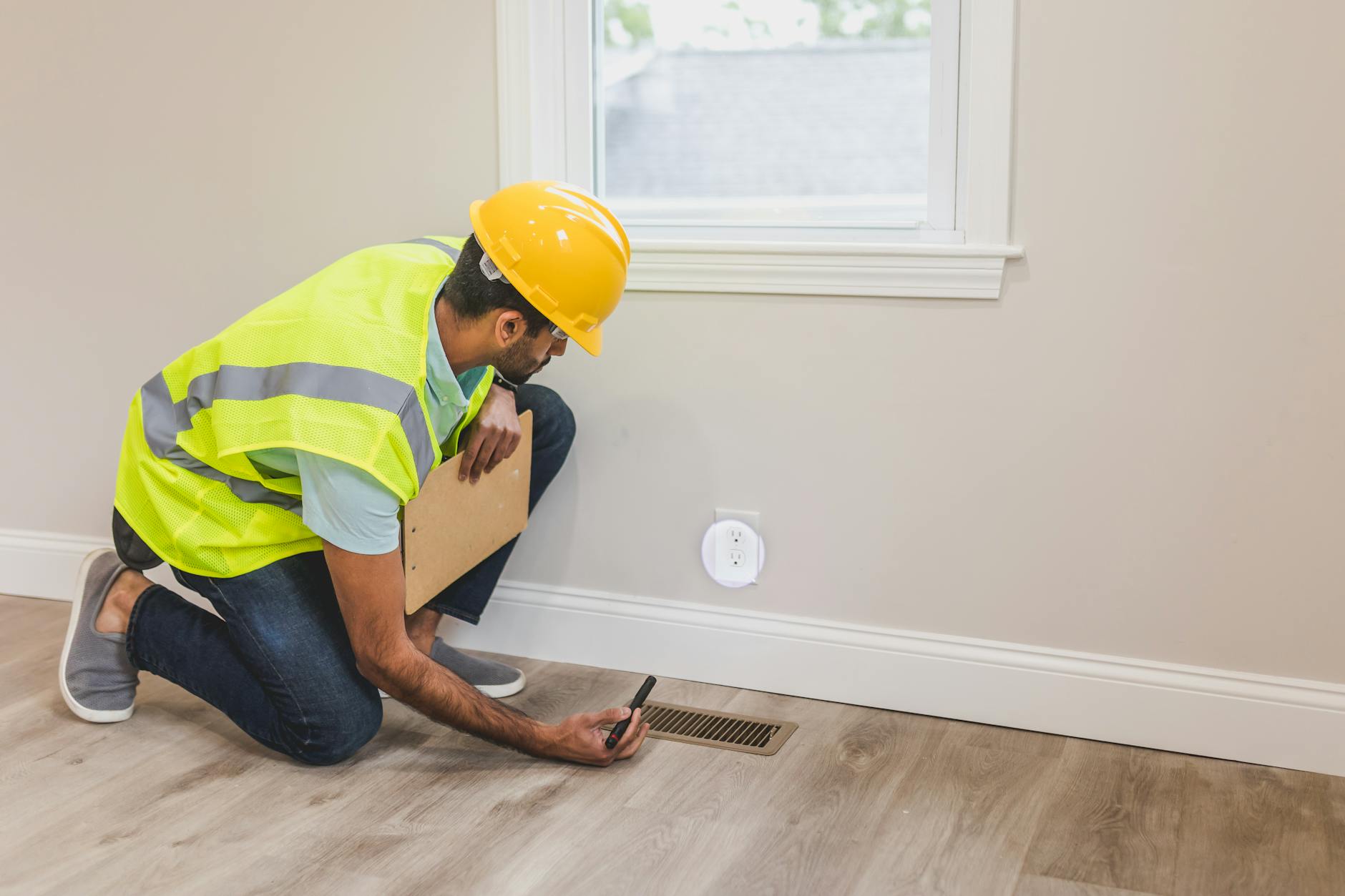
Home warranties offer peace of mind, covering major repairs or replacements for appliances and systems. But did you know that some common home repairs can instantly void warranties? Many homeowners unintentionally break warranty agreements by making seemingly harmless fixes. Understanding what actions can void warranties is crucial if you want to keep your coverage intact. The fine print in warranty agreements often lists specific exclusions, and companies are quick to deny claims if these are violated. If you value your home warranty, read on to avoid these costly mistakes.
1. DIY Electrical Work
It’s tempting to handle minor electrical issues yourself, especially if you’re handy around the house. However, most home warranties specifically require licensed professionals for electrical repairs. Performing your own fixes, even something as simple as swapping outlets or light fixtures, can void warranties instantly. If a claim arises later, the provider may ask for proof of professional service. Without it, you could be left footing the bill.
2. Installing Non-Approved Parts
Replacing a broken appliance part with a generic or off-brand version might save money up front. But this is one of the top home repairs that void warranties. Manufacturers typically require the use of approved or original parts. Using non-approved parts can lead to denied claims, especially if the replacement causes further damage. Always check your warranty documentation before making replacements.
3. Unauthorized Roof Repairs
The roof is a major investment, and its warranty comes with strict terms. Hiring an unlicensed contractor or making repairs yourself can be grounds for immediate voidance. Even minor fixes, like patching a leak, may break the agreement. Most roof warranties require licensed professionals and sometimes even manufacturer-approved contractors. If you’re unsure, contact the warranty provider before starting any work.
4. Painting Appliances or Fixtures
Customizing your appliances or fixtures with a fresh coat of paint may seem harmless. Unfortunately, altering the original finish is a common way to void warranties instantly. Paint can affect performance, ventilation, or even safety features. If you need to update the look, check with the manufacturer first. Some companies offer approved customization options that won’t impact coverage.
5. Removing Warning Labels or Stickers
Those annoying warning labels and stickers on appliances are more important than they look. Removing them can lead to warranty voidance. Manufacturers use these labels to track service history and identify authentic parts. If a technician can’t find the required labels during an inspection, your claim might be denied. Leave all stickers and serial numbers intact to protect your investment.
6. Improper HVAC Maintenance
Regular HVAC maintenance is critical for system longevity. But improper or skipped maintenance is a classic example of home repairs that void warranties. Many agreements require annual servicing by licensed professionals. If you attempt to clean or service the unit yourself, or neglect regular check-ups, warranty coverage may be lost. Keep records of all professional maintenance visits in case you need to file a claim.
7. Plumbing Modifications Without Approval
Adding a new faucet or moving a pipe may seem like simple home upgrades. However, modifying plumbing without approval can void warranties on both the plumbing system and connected appliances. Warranty providers expect systems to remain as originally installed. Licensed plumbers should perform any significant changes and sometimes require pre-approval. Always check your warranty terms before altering plumbing.
8. Skipping Required Registration
Some warranties require you to register your appliance or system within a certain timeframe. Failing to do so is a surprisingly common reason for voided warranties. If you forget this step, even professional repairs won’t help. Registration is often simple and can be completed online. Check your documentation immediately after purchase to ensure compliance and full coverage.
9. Using Products Outside of Intended Use
Using an appliance or system for anything other than its intended purpose is another easy way to void home warranties. For example, using a residential oven in a commercial setting or overloading a washing machine can break the agreement. Warranty providers are quick to deny claims if misuse is suspected. Always follow manufacturer guidelines for proper use and care.
How to Protect Your Home Warranty
Voiding your home warranty can be as easy as making an innocent repair or skipping a required step. Read your warranty agreement carefully and ask questions if anything is unclear. When in doubt, hire licensed professionals and use approved parts. Keep all records and receipts in case you need to prove compliance later.
It’s also a good idea to compare several providers before choosing a warranty. Remember, preserving your home warranty is about understanding the rules and avoiding costly mistakes. Have you ever accidentally voided a warranty with a simple repair? Share your experience in the comments below!
What to Read Next…
- 6 Diy Repairs That Can Void Your Warranty Without Warning
- 7 Home Repairs That Pass Inspection But Fail In Real Life
- 9 Diy Projects That Still Require Permits And How To Get Them
- 10 Diy Repairs Handymen Secretly Hate Doing But Won’t Tell You
- 7 Diy Home Repairs That Are Illegal In Some States But Most Don’t Know It
