
9 Confidence Issues Triggered by Comparison Culture

The scroll starts innocently enough. One minute you’re checking the weather, the next you’re mentally measuring your life against a stranger’s highlight reel and wondering why your coffee isn’t artisanal enough. Comparison culture doesn’t kick down the door; it moonwalks in with perfect lighting and captions. It turns everyday moments into silent competitions and casual curiosity into self-doubt with a megaphone.
Our guide isn’t about ditching social media or pretending comparison never happens. It’s about naming the confidence issues it creates, understanding why they feel so real, and realizing you’re not broken for feeling them.
1. The Never-Enough Feeling
Comparison culture trains the brain to treat progress like a moving target. No matter what you achieve, someone online appears to be doing it faster, louder, or with better hair. This creates a chronic sense that your efforts are lacking, even when they’re solid and meaningful. Psychologically, this taps into social comparison theory, where people evaluate themselves based on others when objective measures are fuzzy.
Over the years, satisfaction gets postponed indefinitely. Confidence suffers because success stops feeling like success and starts feeling like a temporary illusion.
2. Inflated Standards For Success
When every timeline features exceptional outcomes, average starts to feel like failure. Comparison culture exaggerates what “normal” success looks like by overrepresenting extremes. Most people don’t post the boring middle, the setbacks, or the years of trial and error. As a result, confidence erodes because personal goals feel embarrassingly small by comparison. This distortion can push people toward burnout, not excellence. Confidence grows from realistic benchmarks, not impossible ones.
3. Identity Confusion
Seeing thousands of curated lives can blur the sense of who you actually are. Preferences, values, and goals begin to shift based on what seems admired or rewarded online. This isn’t about being influenced; humans naturally learn socially. The issue arises when self-worth gets tangled up in borrowed identities. Confidence depends on self-knowledge, and comparison culture muddies that clarity. When identity becomes reactive, confidence becomes fragile.
4. Appearance-Based Self-Doubt
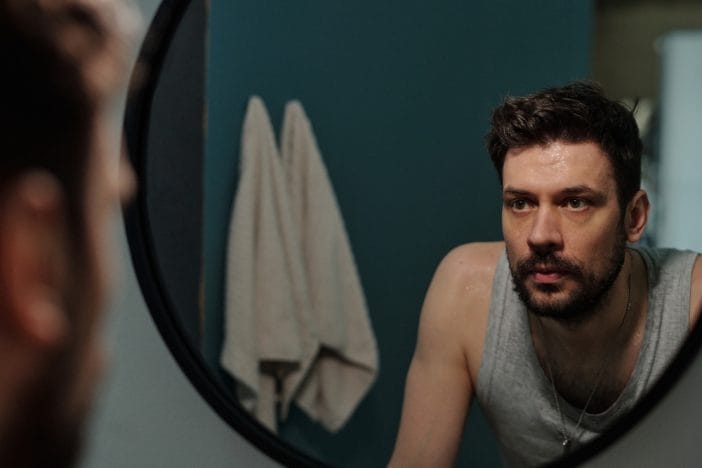
Comparison culture places heavy emphasis on visuals, and the human brain is wired to prioritize what it sees. Filters, angles, lighting, and editing create appearances that aren’t achievable in daily life. Even when people intellectually know this, emotional reactions still kick in. Repeated exposure can lower body satisfaction and heighten self-criticism. Confidence takes a hit when mirrors feel like judges instead of reflections. This effect has been consistently observed across age groups, not just teenagers.
5. Fear Of Falling Behind
Timelines don’t just show success; they imply urgency. Engagements by 25, promotions by 30, peak fitness always. Comparison culture compresses life into a checklist with invisible deadlines. Confidence wobbles when personal timing doesn’t match the perceived schedule. This fear can rush decisions or freeze people entirely. Confidence thrives on trust in one’s own pace, something comparison culture rarely celebrates.
6. Discounting Personal Wins
When someone else’s achievement looks bigger, personal accomplishments start feeling smaller. This leads to a habit of minimizing progress or brushing off praise. Over time, the brain learns to devalue its own evidence of competence. Confidence weakens not because ability is lacking, but because recognition is withheld internally. Psychologists call this a form of cognitive distortion. Left unchecked, it turns capable people into their own harshest critics.
7. Performance Anxiety In Everyday Life
Comparison culture doesn’t stay online; it follows people into work, hobbies, and relationships. The pressure to perform well enough to be “post-worthy” can make ordinary experiences tense. Confidence falters when enjoyment is replaced by evaluation. Even activities once done for pleasure start to feel like auditions. This anxiety isn’t vanity; it’s a response to constant perceived judgment. Confidence grows in spaces where outcomes don’t define worth.
8. Emotional Whiplash
One scroll can produce inspiration, envy, admiration, and self-doubt in under a minute. That rapid emotional cycling is exhausting. The brain struggles to regulate confidence when emotions are constantly pulled in opposite directions. Over time, people may feel oddly numb or irritable after comparison-heavy sessions. Confidence requires emotional stability, not constant contrast. This whiplash effect explains why comparison can feel draining even when nothing “bad” happened.
9. Outsourcing Self-Worth
Likes, views, and reactions become shorthand for value in comparison culture. When external feedback becomes the main confidence source, self-worth fluctuates wildly. This isn’t a character flaw; it’s basic conditioning. Humans respond to social reinforcement, especially when it’s immediate and visible. The problem appears when internal validation muscles weaken from lack of use. Confidence becomes dependent instead of durable.
Reclaiming Confidence In A Compared World
Comparison culture isn’t going anywhere, but confidence doesn’t have to disappear because of it. Awareness is the first step toward separating inspiration from self-erasure. By recognizing these nine confidence issues, readers can start responding instead of reacting. Confidence grows quieter, steadier, and more personal when it’s grounded in reality rather than rankings.
If any of these experiences felt familiar, jump into the comments below and tell us what resonated or what you’ve noticed in your own life.
You May Also Like…
Why Structure Increases Confidence
7 Everyday Confidence Boosters Guys Don’t Realize Work
8 Winter Clothing Hacks That Boost Confidence Instantly
