
8 Vehicle Ownership Costs That Sneak Up After the Warranty Ends

The warranty ends, the dashboard lights stay quiet, and everything feels fine… for about five minutes. That’s usually when vehicle ownership enters its second act, the one where your car starts testing your patience, your budget, and your ability to pronounce the names of parts you never expected to replace.
This phase doesn’t mean your car is “bad” or unreliable. It simply means responsibility has officially been handed back to you, keys and all. Knowing what costs tend to show up next can save you stress, money, and a few dramatic sighs in the service waiting room.
1. Brake System Replacements Add Up Quickly
Brakes are wear items, which means warranties generally wave goodbye before the real work begins. Pads wear down gradually, rotors warp or thin out, and calipers can seize when least expected. What starts as a faint squeal can quickly turn into a full brake job that costs far more than most drivers plan for.
Labor plays a major role here, especially on modern vehicles with electronic parking brakes or advanced safety systems. Ignoring early warning signs usually makes the final bill heavier, not lighter. Regular inspections help, but once coverage ends, those repair costs land squarely on your tab.
2. Suspension Components Wear Out Quietly
Suspension problems rarely announce themselves loudly at first. A soft clunk over bumps or a vague feeling in the steering can be easy to dismiss. Over time, shocks, struts, bushings, and ball joints degrade from normal driving, potholes, and rough roads. These parts are crucial for stability, tire wear, and overall comfort. Replacing them often requires specialized labor and alignment afterward, which pushes costs higher. Many drivers are surprised by how dramatically their vehicle improves after repairs, which is usually followed by surprise at the invoice.
3. Advanced Electronics Are Not Cheap Fixes
Modern vehicles are rolling networks of sensors, modules, and control units. Once warranty protection ends, even a small electronic failure can feel expensive. A malfunctioning infotainment screen, backup camera, or driver-assist sensor may not stop the car from running, but it can still hit your wallet hard.
Diagnosing these issues takes time and specialized equipment. Parts often can’t be repaired and must be replaced entirely. As vehicles become more tech-heavy, electronic repairs increasingly rival mechanical ones in cost.
4. Cooling System Failures Catch Drivers Off Guard
The cooling system works hard every time you drive, yet it’s easy to forget until something goes wrong. Radiators corrode, hoses become brittle, and water pumps eventually fail. Overheating can lead to severe engine damage if ignored, which turns a manageable repair into a financial nightmare. Many warranties expire before these components reach the end of their life cycle.
Preventive maintenance helps, but age and mileage always win eventually. When cooling issues appear, prompt attention is essential to avoid far bigger expenses.
5. Transmission Service And Repairs Are Pricey
Transmissions are complex, finely tuned systems that demand proper care. Fluid changes are often skipped because they feel optional, even though manufacturers recommend them. Once the warranty expires, neglected maintenance can lead to slipping, rough shifting, or complete failure.
Even minor transmission repairs tend to be costly due to labor and part complexity. Full replacements or rebuilds are among the most expensive vehicle repairs a driver can face. Staying proactive with service schedules can reduce risk, but it doesn’t eliminate it entirely.
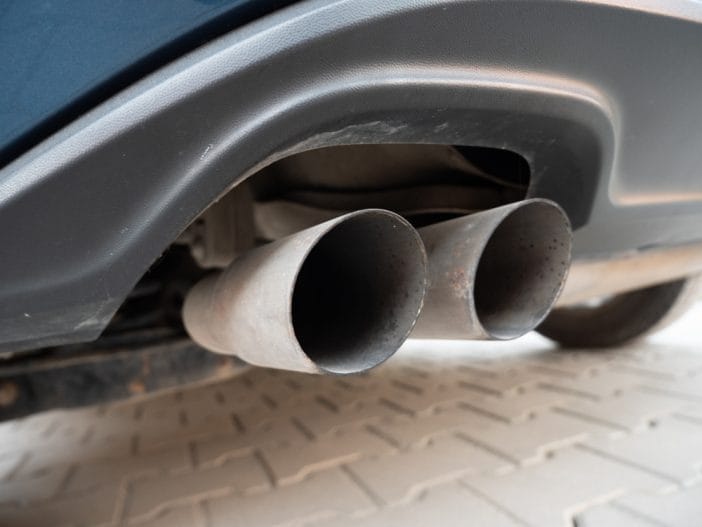
6. Exhaust And Emissions Components Wear With Time
Exhaust systems deal with heat, moisture, and corrosive gases every single drive. Over time, catalytic converters, oxygen sensors, and mufflers wear out or fail. Emissions-related repairs are often unavoidable and can be expensive due to regulations and material costs.
Many drivers first notice issues during inspection time or when warning lights appear. These repairs may not affect daily driving immediately, but they are necessary for legality and efficiency. Once warranty coverage ends, emissions work becomes a personal financial responsibility.
7. Steering System Repairs Affect Safety And Budget
Power steering systems, whether hydraulic or electric, experience wear that builds slowly. Pumps, racks, motors, and sensors can fail after years of use. Symptoms often include stiff steering, whining noises, or inconsistent response.
These repairs directly affect safety, which makes them impossible to postpone. Labor-intensive installations and precise calibrations increase total costs. Steering issues tend to feel especially frustrating because they interfere with the basic act of driving, not just comfort.
8. Tires And Alignment Become A Regular Expense
Tires don’t last forever, even when treated kindly. Alignment issues, suspension wear, and road conditions shorten their lifespan. After the warranty period, tire replacements and alignments become recurring expenses. High-performance or specialized tires cost significantly more than basic options.
Improper alignment accelerates wear, forcing earlier replacements and compounding costs. Keeping tires properly inflated and aligned helps, but replacement remains inevitable and frequent over long-term ownership.
When The Warranty Leaves, Awareness Steps In
Life after the warranty doesn’t have to feel like financial whiplash. Knowing what expenses tend to arrive helps drivers plan, prioritize maintenance, and make smarter ownership decisions. Every vehicle has its quirks, stories, and unexpected moments, especially as the miles add up.
Your experiences can help others feel less alone in the repair shop waiting area. Drop your thoughts or personal car stories in the comments section below and keep the conversation rolling.
You May Also Like…
Don’t Touch This: 9 Repairs That Make Your Manufacturer Warranty Useless
State Troopers Say This Everyday Driving Gesture Is Now the #1 Reason Cars Get Pulled Over
Police Alert: This One Phrase at a Traffic Stop Can Trigger a Full Vehicle Search
These Everyday Driving Habits Are Quietly Destroying Cars Before Dash Warnings
