
8 Signs Your Furnace Heat Exchanger Is Cracked and Venting Gas
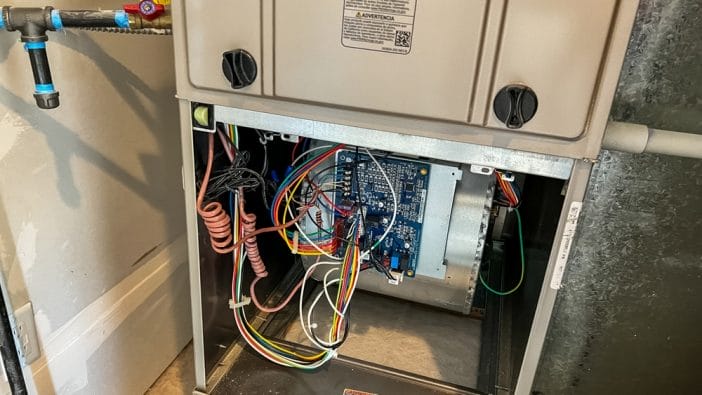
Your furnace might be keeping you warm, but a cracked heat exchanger could be putting your health (and your home) at serious risk. This critical component is responsible for safely containing and venting combustion gases, including carbon monoxide. When it cracks, those gases can leak into your living space, often without any obvious warning. The consequences can range from costly repairs to life-threatening exposure. Here are eight signs to look out for.
1. Unusual Odors in the House
If you notice a strong, acrid smell (often described as similar to formaldehyde), it could be a red flag. This odor may indicate that combustion gases are leaking into your home due to a crack in the heat exchanger. While carbon monoxide itself is odorless, other byproducts of combustion can produce noticeable smells. Don’t dismiss strange odors as just “old furnace smell.” If something smells off, it’s time to call a professional immediately.
2. Soot Buildup Around the Furnace
Soot is a byproduct of incomplete combustion and can be a telltale sign of a malfunctioning heat exchanger. If you see black streaks or residue around your furnace or vents, it’s not just a cosmetic issue. This buildup can indicate that the furnace isn’t burning fuel efficiently, possibly due to a crack. Soot can also damage walls and furniture and worsen indoor air quality. It’s a visual cue that something deeper may be wrong.
3. Visible Cracks or Corrosion
Sometimes, the damage is right in front of you… If you know where to look. During a routine inspection, a technician might spot visible cracks or rust on the heat exchanger. Corrosion weakens the metal over time, making it more susceptible to cracking under pressure. Even hairline fractures can allow dangerous gases to escape. Regular maintenance checks are essential to catch these issues before they escalate.
4. Flame Flickering or Color Changes
A healthy furnace flame should burn steady and blue. If you notice the flame flickering or turning yellow or orange, it could signal a problem with the combustion process. A cracked heat exchanger can disrupt airflow, causing the flame to behave erratically. This change in flame color is more than just a visual oddity. Don’t ignore it; have your system inspected right away.
5. Frequent Illness or Flu-Like Symptoms
Carbon monoxide poisoning often mimics the flu, with symptoms like headaches, nausea, dizziness, and fatigue. If multiple household members experience these symptoms, especially when the furnace is running, it’s a major red flag. A cracked heat exchanger can allow carbon monoxide to seep into your home undetected. Since CO is odorless and colorless, symptoms may be your only clue. Install a carbon monoxide detector and seek medical attention if you suspect exposure.
6. Water Around the Furnace Base
While some condensation is normal, excessive water pooling around your furnace could indicate a problem. A cracked heat exchanger can cause moisture to leak into areas where it shouldn’t be. This water can damage flooring and promote mold growth, creating additional health hazards. It’s easy to overlook a small puddle, but it could be a symptom of a much larger issue.
7. Strange Noises During Operation
A cracked heat exchanger can cause your furnace to make unusual sounds, such as rattling, popping, or banging. These noises often occur when the metal expands and contracts with temperature changes. While some noise is normal, sudden or loud sounds should raise concern. It could mean the heat exchanger is under stress or already damaged. Get a professional inspection done right away.
8. Tripped Carbon Monoxide Detector
This is the most urgent warning sign of all. If your carbon monoxide detector goes off, evacuate your home immediately and call emergency services. A cracked heat exchanger is one of the most common sources of CO leaks in homes with gas furnaces. Once the area is safe, have your furnace inspected and repaired by a licensed technician.
Don’t Wait for a Crisis to Take Action
A cracked heat exchanger isn’t just a mechanical issue. The signs may be subtle, but the consequences can be severe. Regular maintenance, carbon monoxide detectors, and prompt attention to warning signs can protect your home and your health. If your furnace is over 10 years old or showing any of these symptoms, don’t delay. Peace of mind is worth every preventative step you take.
Have you ever dealt with a cracked heat exchanger or a furnace scare? What tipped you off? Share your experience in the comments.
What to Read Next
7 Things Nearly Everyone Gets Wrong When Heating Their Home
Home Inspectors Say These Winter Fixes Lead to Expensive Repairs Later
6 Cold-Season Mistakes That Lead To Costly Repairs
Are You a Proud Homeowner or Just Drowning Quietly?
How to Sidestep High Utility Bills This Winter When Prices Are Going Up
