
8 Patterns Men Develop After Years of Feeling Unappreciated

Feeling unappreciated doesn’t usually explode into dramatic breakdowns or emotional meltdowns. Most of the time, it works quietly, reshaping behavior, mindset, and identity in subtle ways that even the man experiencing it may not fully notice. Over years, that emotional neglect can harden into patterns—habits of thinking, reacting, and relating that feel “normal” but are actually coping mechanisms.
These patterns don’t come from weakness; they come from adaptation. When appreciation disappears, people don’t just feel sad—they change. And if you’ve ever wondered why some men become emotionally distant, hyper-independent, withdrawn, guarded, or unexpectedly detached, the answer often traces back to feeling unseen for too long.
1. Emotional Self-Reliance Becomes a Lifestyle
When appreciation is missing for years, men often stop expecting emotional support from others and start relying entirely on themselves. At first, this looks like strength and independence, but over time, it can turn into emotional isolation disguised as confidence. They stop sharing struggles, not because they don’t have them, but because they no longer believe sharing will lead to care or understanding. This pattern can make relationships feel one-sided, where the man becomes the provider of stability but never the receiver of it.
Eventually, vulnerability feels unnecessary, uncomfortable, or even pointless. A helpful step for men is practicing small emotional openness with safe people first, rather than trying to suddenly change everything at once.
2. Humor Becomes Armor
Many men who feel unappreciated develop humor as their primary emotional defense mechanism. Jokes replace honesty, sarcasm replaces sadness, and humor becomes the safe way to express pain without feeling exposed. This isn’t fake happiness—it’s emotional camouflage. People laugh with them without realizing that the humor is actually covering loneliness, disappointment, or frustration.
The man himself may forget how to communicate discomfort without turning it into a joke.
3. Detachment Feels Safer Than Disappointment
Repeated emotional neglect teaches men that caring deeply leads to disappointment. As a result, many slowly emotionally disengage—not just from people, but from expectations. They stop hoping for recognition, stop anticipating gratitude, and stop investing emotionally in outcomes.
This detachment often looks like calm, but it’s actually emotional withdrawal. It protects against pain, but it also blocks joy. Relationships become functional instead of meaningful, stable but hollow.
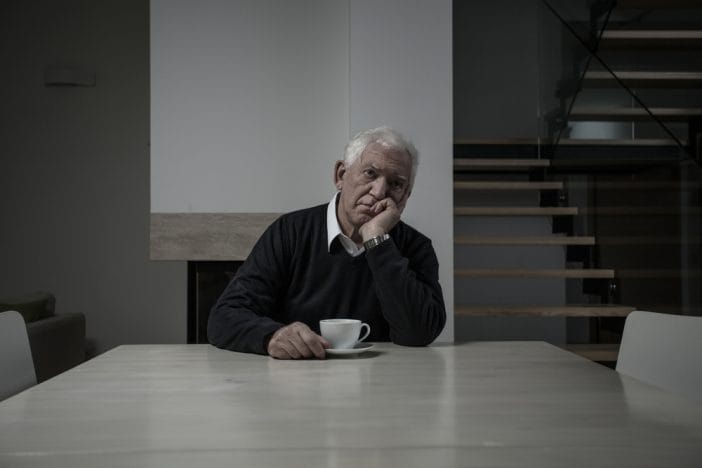
4. Overachievement Becomes a Substitute for Validation
Some men respond to feeling unappreciated by trying to earn worth through productivity. Success becomes the language of love they were never taught to speak. Achievements replace affection, and performance replaces connection.
They work harder, build more, provide more, and produce more—hoping someone will finally notice. But external success never fills emotional absence, so the cycle continues endlessly.
5. Emotional Minimalism Takes Over
Unappreciated men often simplify their emotional lives. They stop asking for much, stop needing much, and stop expressing much. This emotional minimalism feels peaceful on the surface but is often rooted in resignation.
They learn to survive with less emotional nourishment instead of asking for more. Eventually, this can create numbness rather than peace.
6. Hyper-Independence Replaces Trust
Trust erodes when appreciation disappears. Many men learn that depending on others leads to disappointment, so they stop depending on anyone. They fix their own problems, carry their own burdens, and solve their own crises.
This hyper-independence often looks admirable but creates emotional loneliness. Relationships become optional instead of essential.
7. Guarded Communication Becomes Normal
Men who feel unappreciated often stop expressing needs clearly. They become vague, indirect, or silent about what they want because past attempts felt ignored or dismissed. Silence becomes habit. This creates distance in relationships and misunderstandings that reinforce the belief of being unseen.
8. Resignation Masquerades as Maturity
One of the most dangerous patterns is confusing emotional resignation with emotional growth. Men convince themselves they’ve “outgrown” needs, expectations, and emotional desires. In reality, they’ve just buried them.
This can feel like peace, but it’s often emotional shutdown. True maturity includes emotional expression, not emotional erasure.
The Shift From Surviving to Feeling Alive Again
Feeling unappreciated changes people, but it doesn’t have to define them. These patterns are learned responses, not permanent identities. Awareness is the first step toward change, and small emotional risks rebuild connection faster than dramatic overhauls. Appreciation doesn’t start with others—it starts with recognizing your own value first. When men relearn that they deserve care, acknowledgment, and emotional presence, everything else begins to shift. Healing isn’t loud or dramatic—it’s quiet, consistent, and deeply human.
What pattern did you recognize in yourself or someone close to you—and what do you think it would take to break it? Let’s hear about it in the comments.
You May Also Like…
7 Financial Choices Men Wish They Reconsidered Sooner
7 Ways Men Sabotage Respect Without Realizing It
How Love Dies in Silence While Both People Keep Smiling
