
8 Common Sleep Aids Experts Say Can Backfire as You Get Older
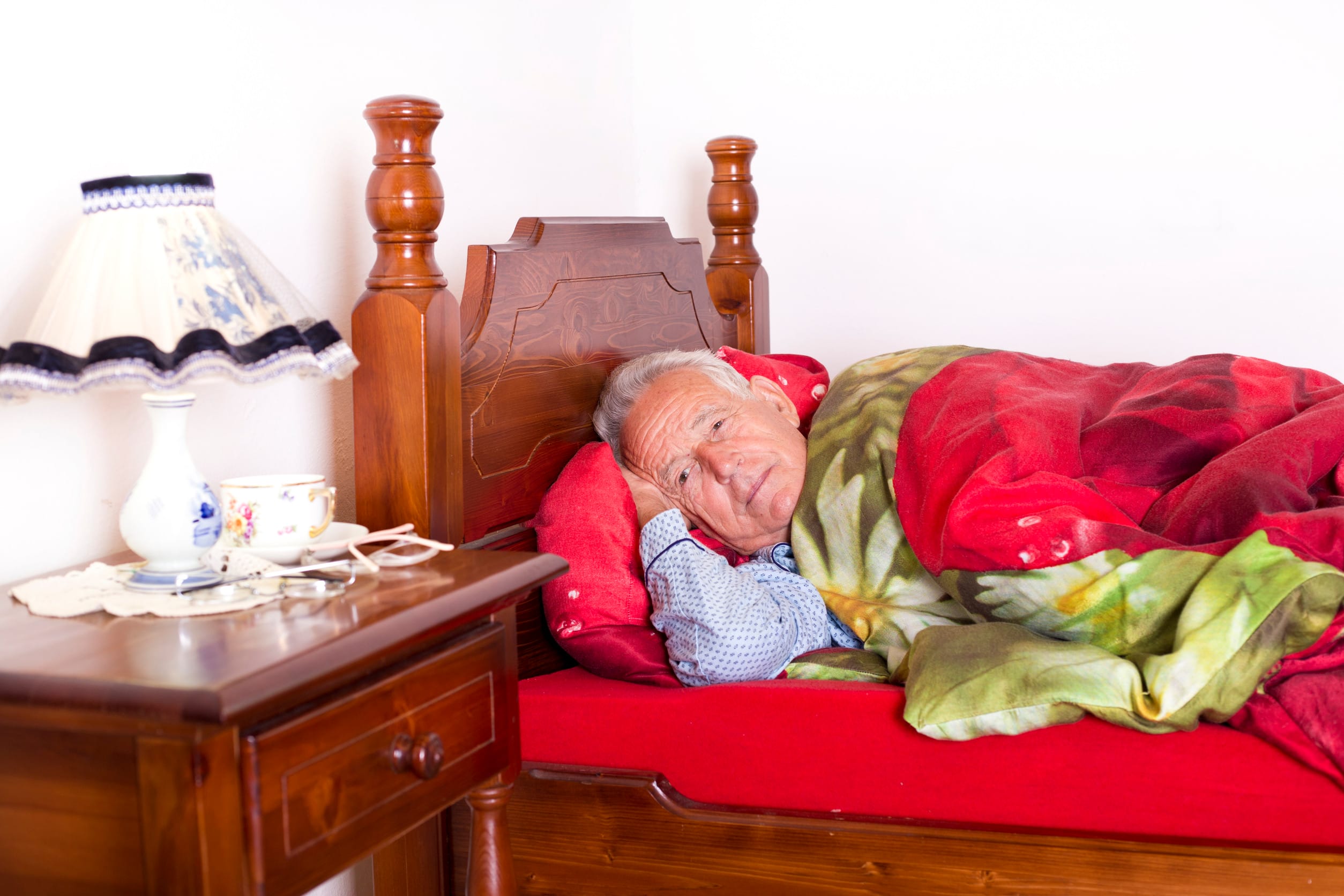
Sleep seems like it should get easier with experience—but for many people over 50, it doesn’t. What if the very sleep aids you rely on are actually making things worse? Experts warn that as we age, our bodies process medications differently, our risk of side effects grows, and what helped in our 30s or 40s may now backfire. Learning which sleep aids tend to cause trouble—and why—can help you sleep better without added risk. Below are eight common sleep aids experts often caution against for older adults, along with safer alternatives and tips.
1. Benzodiazepines (e.g., Valium, Xanax)
Benzodiazepines are often prescribed for insomnia, but are among the sleep aids most likely to backfire with age. Studies show they increase the risk of cognitive decline, delirium, falls, and accidents in older adults. Because these drugs tend to linger longer in older bodies, their sedative effects can persist into waking hours—leading to grogginess or loss of balance. Experts generally advise using benzodiazepines only short term, and always under close supervision, especially after age 50.
2. Z-Drugs / Non-Benzodiazepine Hypnotics (Ambien, Lunesta, etc.)
Drugs like zolpidem, zaleplon, and eszopiclone—often called Z-drugs—promise faster sleep without benzodiazepine effects, but for older adults, they come with serious risks. These sleep aids are associated with falls, impaired balance, next-day drowsiness, and increased risk of fractures. Also, evidence is growing that frequent use raises dementia risk in people over 65. Doctors typically recommend very low doses, short-term use, or exploring non-drug options before Z-drugs for seniors.
3. First-Generation Antihistamines (Diphenhydramine, Doxylamine)
These over-the-counter sleep aids are in many “PM” allergy treatments or old-school nighttime formulas. They are often assumed safe, but as experts warn, these sleep aids can lead to confusion, urinary retention, dizziness, and risk of falls in older users. Their anticholinergic effect (i.e., interfering with brain chemical acetylcholine) is especially concerning for memory and cognitive clarity. Over time, chronic use of diphenhydramine or doxylamine can lead to “morning hangover” effects—grogginess, impaired coordination, and worse reaction times.
4. Long-Acting Sedatives or Tranquilizers
Medications that last many hours are especially tricky after 50 because your metabolism slows, and your body clears them more slowly. These sleep aids tend to cause residual sedation into the next day: dizziness, impaired judgment, and increased office or driving risk. Doctors often note that using long-acting sedatives increases fall risk significantly. Older adults may also experience increased confusion or increased risk of accidents when waking up mid-night. Reducing dosage, avoiding long-acting options, or switching to shorter-acting sleep aids can help reduce risk.
5. Herbal Remedies and “Natural” OTC Sleep Formulas
Melatonin, valerian root, chamomile, or other herbal supplements are often perceived as “safe” sleep aids. But experts warn that these sleep aids aren’t risk-free: because they’re less regulated, their potency and side effects vary widely. Side effects can include daytime grogginess, interactions with other medications, or worsening of underlying conditions like liver or kidney disease. Also, some “natural” formulas include sedating antihistamines or other under-disclosed ingredients. Always check with a physician before using herbal sleep aids, especially if you already take prescription medications.
6. Overuse of Prescription Sleep Medications (Chronic Use)
Taking sleep medications nightly for weeks, months, or years is a red flag. These sleep aids are designed for short-term use; long-term dependence builds tolerance, reduces effectiveness, and elevates the risk of adverse effects. Studies show that older adults using sleep meds chronically have a greater risk of falls, memory impairment, and other side effects. Also, stopping after long use can trigger rebound insomnia, making sleep problems worse. Experts recommend exploring behavioral or lifestyle changes if sleep issues persist beyond a few weeks.
7. Combining Sleep Aids with Other Sedatives or Alcohol
Mixing sleep aids with alcohol, pain medications, anti-anxiety drugs, or other sedatives amplifies risks. The combined depressant effects often lead to dangerously slow breathing, impaired motor or cognitive function, or deeper grogginess the next day. As you age, your body’s sensitivity to such interactions increases, meaning even small amounts can cause big trouble. Experts point out that many older adults unintentionally combine medications without recognizing the risk. Always provide your full medication list to your doctor and avoid sedatives plus alcohol.
8. Taking Unverified Online or Foreign Sleep Products
It’s tempting to try imported pills, online remedies, or medications not reviewed by the FDA or approved in your country. These sleep aids can contain unknown ingredients, inconsistent dosages, or dangerous contaminants. Some products may mislabel strength or include prescription substances without disclosure. Evidence shows that older adults who use unverified sleep aids face higher risk of side effects like liver damage, drug interactions, or overdose. To protect yourself, buy through reputable pharmacies and check for certifications or lab testing when using OTC or online sleep products.
What Safer Sleep Support Looks Like After 50
As you pass 50, the safest path isn’t often more drugs—it’s smarter choices. Many experts recommend behavioral approaches like cognitive behavioral therapy for insomnia (CBT-I), sleep hygiene (consistent bedtime, dark room, limited screens), gentle exercise, and dietary awareness. When medications are needed, choosing short-acting ones, lowest effective dosages, and avoiding combinations with other sedatives or risky substances matters. Be honest with your doctor about your sleep habits, all of your medications, and your goals. With the right strategy, you can get restful nights without trading safety for sleep.
Have you ever tried one of these sleep aids only to regret it afterward? Tell us which one, what happened, and what safer option you found that worked for you.
What to Read Next
Why Men in Their 40s Are Dying From Sleep Apnea at Record Levels
6 Sleep Apnea Symptoms That Women Notice Before Men Do
9 Over-the-Counter Drugs That Make You Sleepier Than You Realize
8 Ways Sleeping With the TV On Could Be Harming Your Health
The Bedtime Routine That Changed Our Lives Forever: 5 Steps to Better Sleep
