
8 Cold-Weather Driving Habits That Destroy Your Suspension
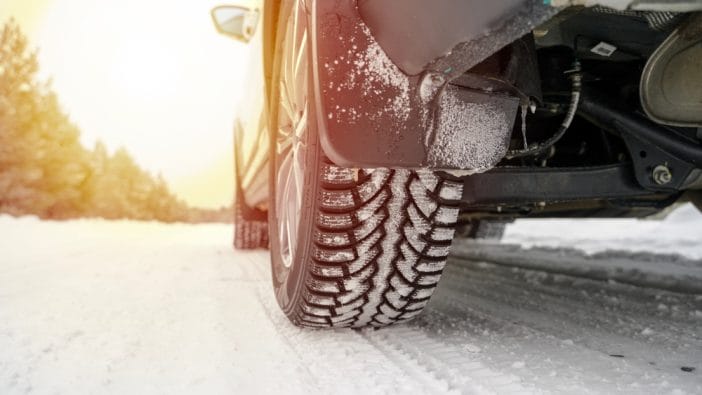
As many drivers know, a frozen road tests every single part of a vehicle’s suspension system. Cold weather turns pavement into a battlefield of ice, salt, potholes, and rigid surfaces that punish metal, rubber, and joints every mile.
Suspension damage doesn’t happen from one dramatic hit; it stacks up from habits that feel normal, harmless, and routine. Winter doesn’t destroy suspensions by accident—it does it through behavior. Change the behavior, and a suspension lasts longer, rides smoother, and saves real money.
1. Speeding Over Potholes Like They’re Speed Bumps
Cold weather creates potholes because water seeps into cracks, freezes, expands, and rips asphalt apart from the inside. When tires hit those craters at speed, the impact force travels straight through the control arms, struts, tie rods, and bushings. Each hit compresses the suspension past its designed range, stressing joints and seals that already stiffen in low temperatures.
Drivers often treat potholes like unavoidable obstacles, but speed multiplies damage more than size ever will. Slow down, scan the road surface ahead, and leave space to maneuver when traffic allows. If a pothole looks unavoidable, controlled braking before impact reduces stress far more than trying to power through it.
2. Slamming Into Snowbanks and Ice Ridges
Plowed roads create hardened snowbanks and compacted ice ridges that feel soft but hit like concrete. Tires compress them, but suspension components absorb the real shock. Control arms bend, alignment shifts, and bushings tear when vehicles climb or slam into frozen piles at intersections and parking lots.
Even low-speed contact adds up over time because frozen rubber loses flexibility and cracks instead of flexing. Drivers often treat snow piles like harmless cushions, but suspension geometry pays the price. Give plowed edges space, approach parking spots carefully, and treat frozen snow like solid terrain instead of powder.
3. Ignoring Tire Pressure in Freezing Temperatures
Cold air shrinks, and tire pressure drops fast when temperatures fall. Low pressure forces tires to absorb impacts instead of distributing them properly, which pushes extra load into shocks, struts, and ball joints. Underinflated tires also allow sidewalls to flex excessively, which increases suspension travel and component strain.
Many people check tire pressure once in warm weather and forget it for months, even as temperatures swing wildly. A quick pressure check during cold spells protects both tires and suspension geometry. Consistent tire pressure keeps suspension loads predictable and balanced instead of chaotic.
4. Driving Like It’s Summer on Frozen Roads
Aggressive acceleration, sharp cornering, and hard braking stress suspension systems even on dry pavement, but winter roads magnify the impact. Slippery surfaces cause sudden weight shifts that slam suspension components side to side and front to back. Bushings twist, mounts strain, and joints absorb violent directional changes that metal never enjoys.
Smooth driving protects traction and preserves suspension integrity at the same time. Gentle inputs, progressive braking, and controlled steering reduce mechanical shock and extend component life. Calm driving doesn’t just prevent accidents—it prevents mechanical breakdowns too.
5. Skipping Alignment After Winter Impacts
Winter roads knock wheels out of alignment constantly through potholes, curb hits, and ice ridges. Misalignment forces suspension components to operate under constant sideways stress instead of clean vertical movement. That strain wears out ball joints, tie rods, and bushings far faster than normal driving ever would.
Many people wait until tires show uneven wear, but damage starts long before tread patterns reveal it. A quick alignment check after harsh winter driving protects the entire suspension system. Straight wheels keep forces balanced instead of being destructive.
6. Letting Road Salt Rot the Underbody
Road salt doesn’t just attack body panels—it corrodes suspension mounts, subframes, control arms, and fasteners. Corrosion weakens structural strength and loosens mounting points that suspension geometry depends on. Rusted components flex, shift, and crack under normal driving loads. Winter roads coat underbodies in salt residue that stays trapped in seams and joints for months.
Regular undercarriage washes remove corrosive buildup before it eats critical hardware. Clean metal holds alignment and absorbs forces properly instead of breaking down quietly.

7. Overloading Vehicles in Winter Conditions
Heavy cargo, packed trunks, roof boxes, and constant winter gear add serious weight. Extra load compresses springs and shocks continuously, reducing travel range and increasing internal wear. Cold temperatures already stiffen suspension fluids and seals, which makes components less tolerant of overload stress.
Many people forget how much weight winter driving adds over time. Balance cargo loads, avoid unnecessary weight, and distribute heavy items evenly. A lighter vehicle treats suspension components far more kindly.
8. Ignoring Early Warning Signs
Clunks, creaks, uneven tire wear, wandering steering, and rough rides signal suspension stress long before failure. Cold weather amplifies small problems because metal contracts and rubber stiffens. Minor bushing wear turns into loud knocks, and weak struts lose damping control quickly in freezing conditions.
Many drivers ignore these signs until something breaks down outright. Early repairs prevent chain-reaction damage across multiple components. Quick inspections save thousands compared to full suspension rebuilds.
Winter Roads Demand Smarter Driving, Not Tougher Cars
Cold weather doesn’t care how strong a vehicle looks or how advanced the suspension design claims to be. Physics always wins, and repeated abuse always shows up in metal fatigue, rubber failure, and alignment damage. Smarter habits protect suspension systems more effectively than any upgrade ever could. Slower speeds, smoother inputs, regular inspections, and basic maintenance keep components working instead of breaking.
What winter driving habit do you think causes the most damage to a vehicle over time? How do you stay safe during this cold time of year? Tell us your advice in the comments section.
You May Also Like…
5 Signs Your Car’s Suspension Is Ruined from Potholes
6 Reasons Why Your Car’s Suspension Could Be Worn Out (And How to Spot It)
5 Signs Your Deck Has Structural Winter Damage
