
8 Cheap Beer Brands Americans Regret Buying Once They Try Them
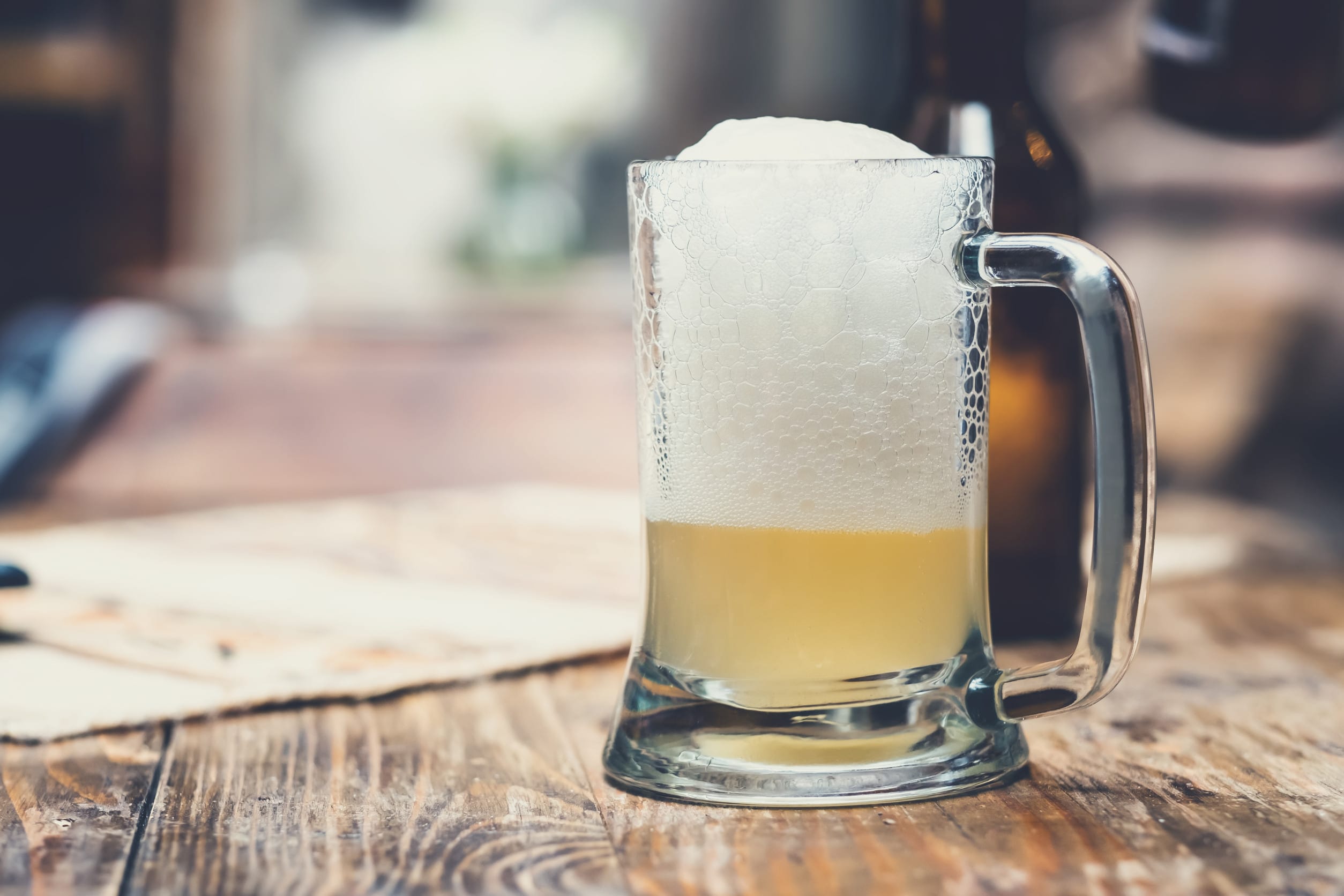
There’s a difference between a good bargain and a bad beer. Many Americans have learned this the hard way after grabbing a budget six-pack, expecting “decent for the price,” and instead finding themselves regretting every sip. While affordability has always been part of beer culture, some brands push the limits of what consumers will tolerate. Whether it’s flat flavor, odd aftertastes, or hangovers that hit harder than the buzz, not every low-cost brew is worth the few dollars saved. Here are eight cheap beer brands Americans often regret buying once they’ve tried them.
1. Natural Light: College Nostalgia That Doesn’t Age Well
“Natty Light” might have been the go-to choice for college parties, but most people agree it’s best left in the past. Its ultra-light body and watery flavor make it more refreshing than flavorful… if “refreshing” means tasting like carbonated bread water. While its low price and easy drinkability once earned it a cult following, the nostalgia fades fast with age. Many drinkers describe it as the beer equivalent of instant ramen: fine in your early twenties, disappointing afterward. For most, one revisit is enough to remember why they moved on.
2. Busch Ice: The Hangover Nobody Asked For
Busch Ice promises a stronger kick thanks to its higher alcohol content, but the trade-off is a harsh taste that overwhelms any hint of flavor. It’s marketed as a “bold, cold beer,” yet it’s often described as bitter, metallic, and unbalanced. Fans of cheap beer might tolerate it for the buzz, but the next-day regret is almost guaranteed. Many reviewers say it delivers the same after-effects as drinking rubbing alcohol with bubbles. It’s proof that “ice brewing” doesn’t always equal “ice-cold refreshment.”
3. Milwaukee’s Best: A Name That Doesn’t Hold Up
Despite its confident name, “The Beast” (as drinkers call it) rarely lives up to its billing. The flavor is flat, the aroma is stale, and it tends to leave a lingering aftertaste that’s anything but premium. It’s been a staple in discount aisles for decades, yet its reputation has slipped with time. Even die-hard bargain hunters admit that its thin body and skunky notes make it tough to finish more than one can. For many, this beer’s best feature is its price, and even that might not be enough.
4. Keystone Light: The Definition of Forgettable
Keystone Light is marketed as “smooth,” but most drinkers say it’s so light that it barely tastes like beer at all. It’s a favorite for beer pong and bulk buying, not for savoring or pairing with a meal. The flavor is faintly malty with a sour edge that turns quickly if left warm. While it’s a safe choice for big gatherings where quantity trumps quality, it rarely earns a repeat purchase. For many Americans, it’s one of those beers you buy once, laugh about later, and never reach for again.
5. Steel Reserve: Too Strong for Its Own Good
Steel Reserve’s high alcohol content might seem appealing to those seeking value, but its taste and aftermath make it a tough sell. At 8.1% ABV, it packs a punch. Unfortunately, that punch comes with a syrupy texture and a harsh finish. Many drinkers compare it to a mix between cough syrup and stale malt liquor. While it has a loyal following among budget-conscious consumers, the regret often sets in before the can is even empty. It’s one of those beers that feels more like a dare than a drink.
6. Bud Ice: The Forgotten Budweiser Experiment
Budweiser tried to blend premium branding with “ice brewing” technology, but the result didn’t stick. Bud Ice never developed a consistent fan base, partly because its taste sits awkwardly between light beer and malt liquor. It’s too heavy to be crisp, yet too weak to be satisfying. The flavor profile (slightly sweet with a metallic edge) has turned off many Bud loyalists. For most drinkers, it’s a one-and-done experience that leaves them wondering why it still exists.
7. Rolling Rock: Great Bottle, Disappointing Pour
Rolling Rock’s green bottle and classic label give it an old-school, premium vibe, but the contents don’t live up to the look. The beer itself is watery, overly carbonated, and prone to losing its fizz fast. Once beloved for its crisp simplicity, many drinkers now find it bland and forgettable compared to newer light lagers. It’s the kind of beer people buy for nostalgia or aesthetics, only to remember why they stopped years ago. Even fans admit it’s more of a “background beer” than one to savor.
8. Olde English 800: A Malt Liquor That Misses the Mark
“OE” might be legendary in hip-hop lyrics and corner-store culture, but it’s rarely praised for taste. As a malt liquor, it’s cheap and potent, but the flavor is overly sweet with a burn that lingers long after you’re done drinking. The combination of alcohol strength and artificial notes makes it hard to enjoy past the first sip. Many first-time drinkers underestimate it, only to regret both the taste and the hangover later. Olde English 800 proves that reputation doesn’t always equal quality.
What These Beers Teach Us About “Cheap”
Cheap beer isn’t automatically bad (plenty of affordable brews deliver solid value), but these examples show the downside of prioritizing price over quality. For many Americans, one bad experience with the wrong budget beer is enough to spend a few extra dollars next time. The truth is, even on a budget, good taste still matters. Whether you’re stocking up for a barbecue or just saving cash, picking quality over quantity always pays off in the long run. After all, no one remembers the price of a great beer, only the taste.
Have you ever bought a cheap beer you instantly regretted? Which one tops your “never again” list? Share your stories in the comments below.
