
8 Car Companies Struggling to Survive in America as Layoffs Hit
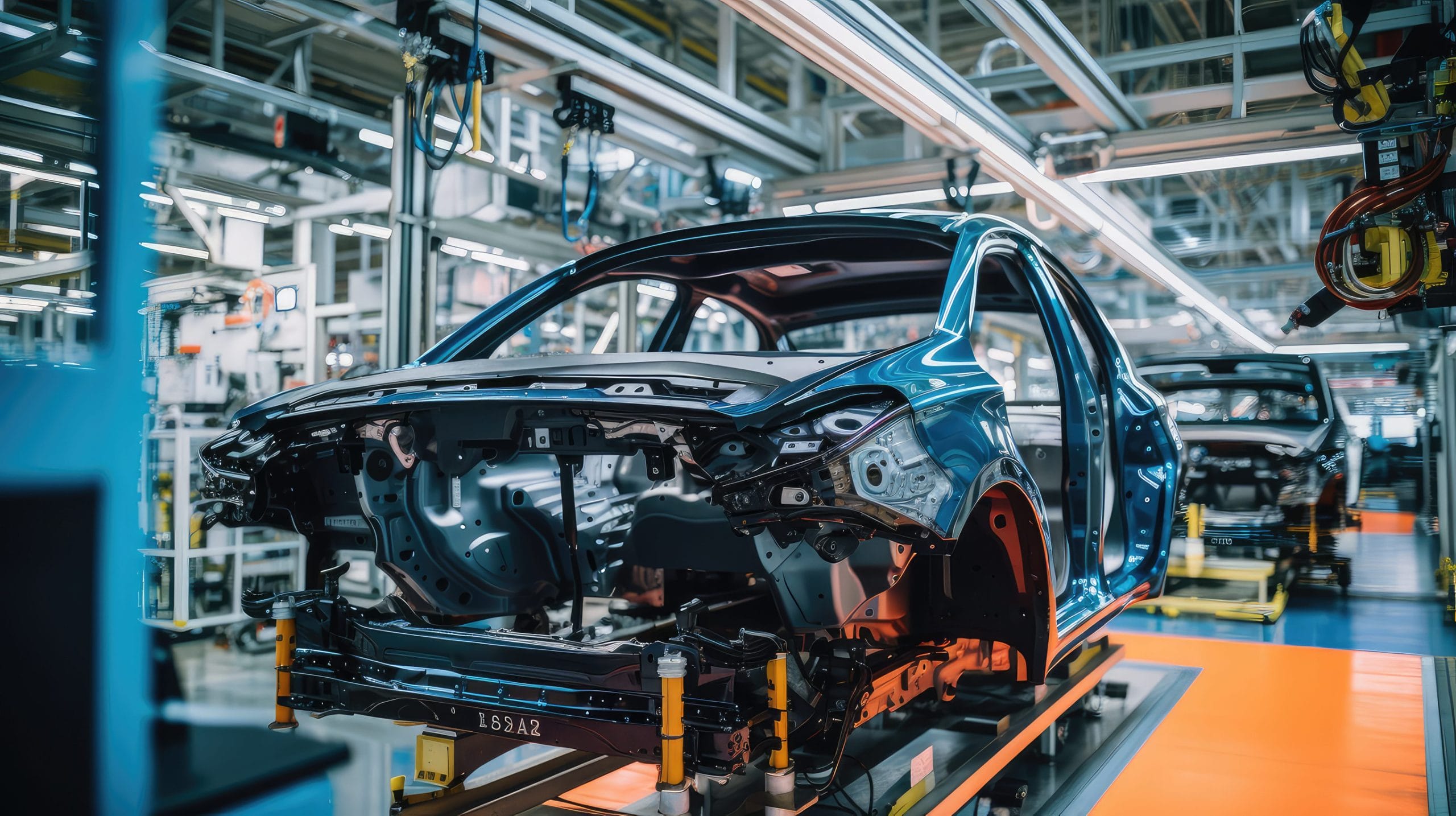
The U.S. auto sector is in turmoil. As demand shifts, regulation tightens, and EV competition intensifies, several car companies are now struggling just to stay afloat, and layoffs are becoming grim proof of the danger. Workers across design, assembly, software, and support roles are seeing pink slips. For readers who care about jobs, the future of mobility, or the ripple effects in their communities, this matters deeply. Here’s a breakdown of eight car companies fighting for survival in America and what’s pushing them to the brink.
1. Stellantis
Stellantis has laid off about 900 U.S. workers across multiple plants and paused production at others in response to rising tariffs and softened demand. Earlier, the company cut roughly 400 salaried U.S. positions as part of cost-cutting efforts. The trauma hits harder because Stellantis owns brands that many Americans still drive: Jeep, Ram, Chrysler, and Dodge. Pressure from global competition, volatile consumer tastes, and regulatory shifts is squeezing margins. If Stellantis doesn’t recalibrate fast, scaling back further may become unavoidable.
2. General Motors
GM recently announced over 1,000 layoffs in its software, services, and tech divisions globally, with many positions in the U.S. impacted. The move signals GM’s attempt to streamline operations as it pivots toward electric and connected mobility. But reducing headcount in strategic units raises questions about execution and morale. Moreover, GM must maintain innovation while tightening belts, a challenging balancing act. Investors and industry watchers will be watching whether the cuts harm rather than help long-term competitiveness.
3. Nissan
Nissan is nowhere close to immune. It’s cutting 20,000 jobs globally and idling or shuttering plants as part of a major turnaround strategy. Some auto analysts warn that unless things dramatically improve, Nissan could face existential threats. The brand’s financial stress has led it to scale back investments and consolidate operations drastically. In the U.S., that means fewer new models, reduced R&D, and stiffer competition. It’s a cautionary tale that even legacy car companies aren’t untouchable.
4. Fisker
Fisker, once seen as a promising EV upstart, filed for Chapter 11 bankruptcy in 2024 after failing to secure sustainable capital and falling behind in production. The layoffs preceded insolvency; the company’s collapse underscores how brutal the EV space can be for undercapitalized players. Fisker’s downfall is a glaring warning to EV ventures: innovation alone doesn’t guarantee survival. For U.S. ecosystems (dealers, suppliers, workers), the fallout is already felt. Many once hopeful EV names may quietly vanish in the coming years.
5. Ford
While Ford has been more stable than some peers, it too has initiated layoffs and scaled back operations under mounting pressure. One recent move involved cutting over 1,000 jobs at a facility as recalls and market softening weigh on its bottom line. Beyond staffing, Ford is recalibrating its EV ambitions and managing the costs of transitioning legacy plants. Its challenge: preserve enough agility to compete in tomorrow’s mobility while servicing massive existing scale. If missteps accumulate, even Ford’s industry clout may not shield it entirely.
6. Honda/Acura
Though not yet grabbing headlines in the U.S., Honda has reported weak global demand and is pulling back on some aggressive growth plans. The ripple effects make North American operations vulnerable, especially as the market shifts toward EVs and SUVs. International cutbacks, shrinking margins, and cost pressures may force Honda to scale down certain U.S. projects or delay investment. Given how interconnected global operations are, even U.S. plants tied to shared platforms could be impacted. It’s a quiet struggle, but a real one.
7. Mazda
Smaller Japanese or niche car companies like Mazda and others are also under stress. They lack the deep pockets of giants, making absorbing shocks harder. Rising materials costs, electrification demands, and market consolidation pressure them heavily. Layoffs or scaling back in tech, regional offices, or supply chain roles are possible if margins shrink further. For their U.S. footholds, especially sales or R&D outposts, the stakes are high. These players may be quieter in coverage, but they’re no less vulnerable.
8. Legacy European Marques (BMW, Mercedes, etc.)
European luxury car companies in America face double trouble: high overhead and uncertain demand. Slowing luxury auto sales, stricter emissions rules, and the costly shift to EVs are squeezing the margins of BMW, Mercedes-Benz, and Audi. While they haven’t made dramatic U.S. mass layoffs (yet), introspection and cost rationalization are underway. If their sales stumble further or regulation intensifies, staffing and facility cuts may follow. Their high cost structure makes them more fragile in downturns than many assume.
Diagnosing Why So Many Car Companies Are Struggling
This wave of layoffs reflects industry-wide pressure: weak consumer demand in some segments, heavy capital required for EV transitions, supply chain volatility, tariffs, regulatory shifts, and inflated costs. Many car companies are finding that old business models no longer sustain profits. The margin for error is vanishing even for legacy automakers. While some may rebound through leaner structure and sharper focus, others risk falling behind or disappearing.
The turmoil among these car companies underscores that layoffs and belt-tightening are often stopgaps, not long-term solutions. Real recovery demands bold bets in product strategy, electric mobility, software, partnerships, and operational agility. For employees, communities, and consumers, the upheaval is real and the path forward is murky. The ones that survive will be those that integrate innovation with fiscal discipline, not simply slash costs.
Which of these companies do you think has the strongest chance to bounce back, and which may vanish? Share your take below.
