
7 Subtle Signs Your House Is Being Targeted Before a Break-In
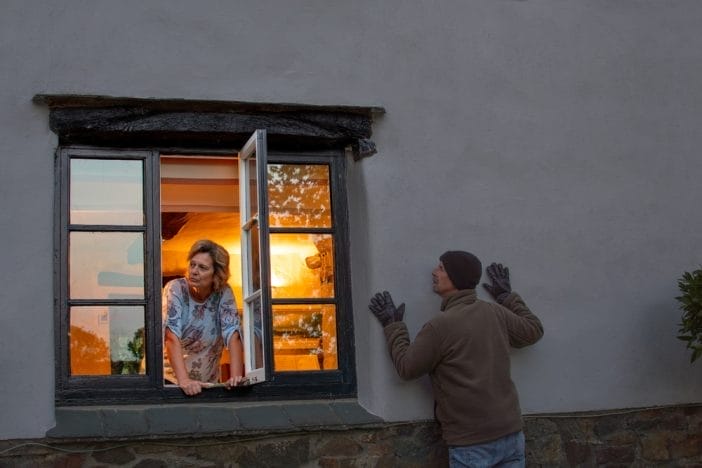
A break-in doesn’t usually start with a smashed window or a kicked-in door. It starts long before that, often in ways that barely register during a busy day. Someone watches, tests, and waits for patterns to reveal weaknesses, all while everything looks perfectly normal on the surface. That calm, everyday routine creates the perfect cover for quiet observation, and most people never notice the buildup.
Sharp awareness flips the script completely. A few small details, when noticed early, can stop a crime before it even takes shape. Staying one step ahead does not require paranoia, but it absolutely demands attention.
1. The “Accidental” Stranger Who Isn’t So Accidental
A stranger lingering near a home often raises a gut feeling, and that instinct deserves attention every single time. Someone who appears to wander casually, yet returns more than once, signals intent rather than coincidence. That person might check sightlines, watch entry points, or simply track daily routines without drawing attention. Repeated appearances, even spaced out over days, often reveal a pattern that deserves a closer look.
People with bad intentions rarely act rashly during this phase, because patience helps them blend in and avoid suspicion. They may pretend to check their phone, tie a shoe, or look at nearby houses, all while quietly studying one specific property. This behavior often happens at different times of the day, which allows them to understand when a home sits empty. Anyone noticing repeated unfamiliar faces should take that seriously and not brush it off as a harmless coincidence.
Simple steps can shut this down quickly. A visible acknowledgment, such as stepping outside or making eye contact, signals awareness and disrupts their comfort. Installing a visible camera or even a doorbell cam adds another strong deterrent, especially when paired with signage. A quick conversation with neighbors also helps build a shared awareness, making it harder for anyone to operate unnoticed.
2. Strange Markings That Don’t Belong
Small, odd markings around a property often go unnoticed, but they can signal something far more deliberate. Chalk marks on sidewalks, tape on a mailbox, or symbols near a fence may act as coded messages between criminals. These marks sometimes indicate whether a home sits empty, whether a dog lives there, or even how easy entry might be. Many people overlook these details because they appear random or insignificant. Burglars rely on subtlety, so they rarely use obvious indicators. A tiny piece of tape placed near a doorframe might test whether anyone notices or removes it. If it stays untouched for days, that sends a message that the home likely lacks regular attention. The same logic applies to flyers or objects left in unusual spots, which act as quiet signals rather than clutter.
Removing these markings immediately sends a clear message that someone is paying attention. Taking photos before removing them can help track patterns or report suspicious activity if needed. Keeping an eye on surrounding properties also matters, because similar markings nearby can reveal a broader pattern. Staying proactive here turns a potential vulnerability into a strong line of defense.
3. The Unexpected Knock With a Hidden Agenda
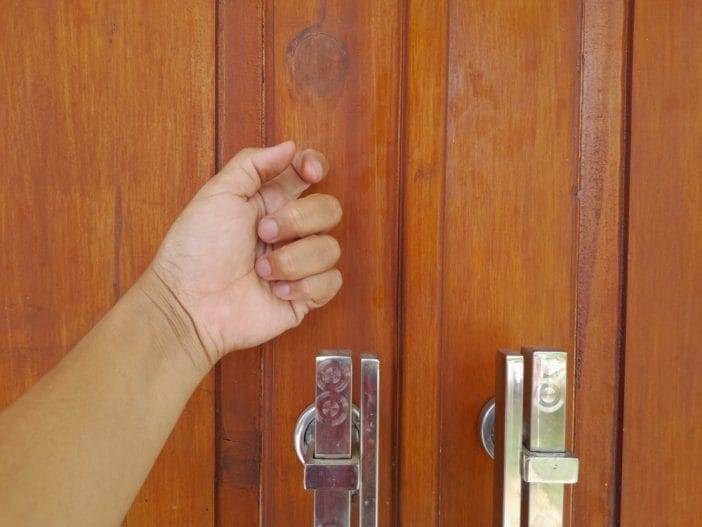
An unexpected knock at the door can reveal more than just a random visitor. Some individuals pose as salespeople, surveyors, or service workers to gather information about who lives in a home and when they come and go. These encounters often feel slightly off, especially when questions become too personal or oddly specific. A simple inquiry about schedules or household members should raise immediate caution.
These visits often serve as a test. If someone answers quickly and engages openly, that interaction can reveal valuable details about daily routines. If no one answers, the visitor may take note and return later when conditions feel more favorable. This tactic blends curiosity with observation, allowing someone to gather insights without raising obvious suspicion.
Handling these situations requires a balance of politeness and caution. Speaking through a closed door or using a doorbell camera maintains safety without sacrificing awareness. Refusing to share personal information keeps boundaries clear, while asking for identification can discourage dishonest intent. Trusting instincts matters here, because discomfort often signals something worth paying attention to.
4. Trash Tells a Bigger Story Than Expected
Garbage may seem like the least interesting part of a home, but it often reveals a surprising amount of information. Discarded packaging, mail, and even small details like receipts can paint a picture of habits, purchases, and routines. Someone looking for an easy target may scan trash for clues about valuable items or signs that a home stays empty for extended periods.
Large boxes from electronics or high-value items placed at the curb can unintentionally advertise what sits inside. Even regular patterns, such as overflowing bins or consistently empty ones, can signal whether a home receives attention or sits vacant. These details help someone build a timeline, which makes planning much easier.
Smart disposal habits make a big difference here. Breaking down boxes and placing them inside bins reduces visibility, while shredding sensitive documents protects personal information. Taking out trash at varied times rather than a strict schedule also removes predictable patterns. These small adjustments close off an easy source of information that many people overlook.
5. Lights, Timers, and Patterns That Give Too Much Away
A home that follows the same lighting pattern every single night can reveal more than intended. Lights that turn on and off at identical times create a predictable rhythm, and predictable patterns often invite attention. Someone watching from a distance can quickly determine whether those lights reflect real activity or a simple timer.
Timers help create the illusion of occupancy, but they lose effectiveness when used without variation. A single light turning on at the same time every evening does not mimic real life, because real life rarely follows such rigid schedules. This predictability can actually make a home appear empty rather than occupied.
Mixing things up strengthens security immediately. Smart lighting systems that vary timing and brightness create a more natural appearance, which makes it harder to read patterns. Combining lights with occasional sound, such as a television or radio, adds another layer of realism. The goal here focuses on unpredictability because unpredictability disrupts planning.
6. Unusual Activity Around Entry Points
Doors and windows often reveal early signs of tampering, but these signs can remain subtle at first glance. Scratches near locks, slightly shifted screens, or loose handles can signal that someone has tested access points. These small changes may not trigger immediate concern, but they often indicate an early attempt to assess vulnerability.
Someone planning a break-in may test multiple entry points over time, looking for the easiest option. A window left slightly ajar or a weak lock can quickly become a target. Even something as simple as a gate left open when it normally stays closed can suggest interference. These details matter because they often appear before any major attempt occurs.
Regular checks around the home help catch these signs early. Walking the perimeter and inspecting doors and windows builds awareness and catches small changes before they escalate. Reinforcing locks, adding motion sensors, and securing outdoor areas all reduce opportunities. Attention to detail here acts as a powerful preventive measure.
7. Cars That Don’t Quite Fit the Scene
A parked car that seems out of place can reveal more than expected. Vehicles that linger for long periods, especially without clear purpose, often deserve a second look. Someone may use a car as a base to observe activity without drawing attention, blending into the environment while gathering information.
These vehicles may move slightly over time or appear at different hours, creating a pattern that feels just unusual enough to notice. Tinted windows, occupants who remain inside, or repeated appearances all add to the picture. While not every unfamiliar car signals danger, repeated presence often points to something more deliberate.
Taking note of license plates, vehicle descriptions, and timing helps build a clearer understanding of the situation. Sharing this information with neighbors strengthens awareness across the area. A simple act of observation can discourage further activity, especially when it becomes clear that people pay attention.
Always Stay One Step Ahead
Awareness changes everything when it comes to protecting a home. These subtle signs do not guarantee that a break-in will happen, but they often appear when someone tests boundaries and looks for opportunity. Catching these signals early allows action before any real damage occurs, turning potential risk into controlled prevention.
Simple habits, such as paying attention to patterns, securing entry points, and communicating with neighbors, build a strong foundation of security. No single step solves everything, but consistent awareness creates a powerful deterrent. A home that shows signs of attention and activity rarely becomes an easy target.
What signs have stood out recently, or what strategies have worked well to keep a home secure? Share thoughts, ideas, or experiences in the comments and keep the conversation going.
You May Also Like…
10 Everyday Behaviors That Can Increase Your Risk of Identity Theft
The Southern California Surge: Why Car Thefts Are Now “Silent” Relay Attacks
Package Theft Rising: Here’s How to Lockdown Your Deliveries Before They Ship
8 Things You Should Never Leave in Your Car Overnight—Even in “Safe” Neighborhoods
