
7 Sports Injuries That Never Fully Heal—And Cost Men Mobility Later
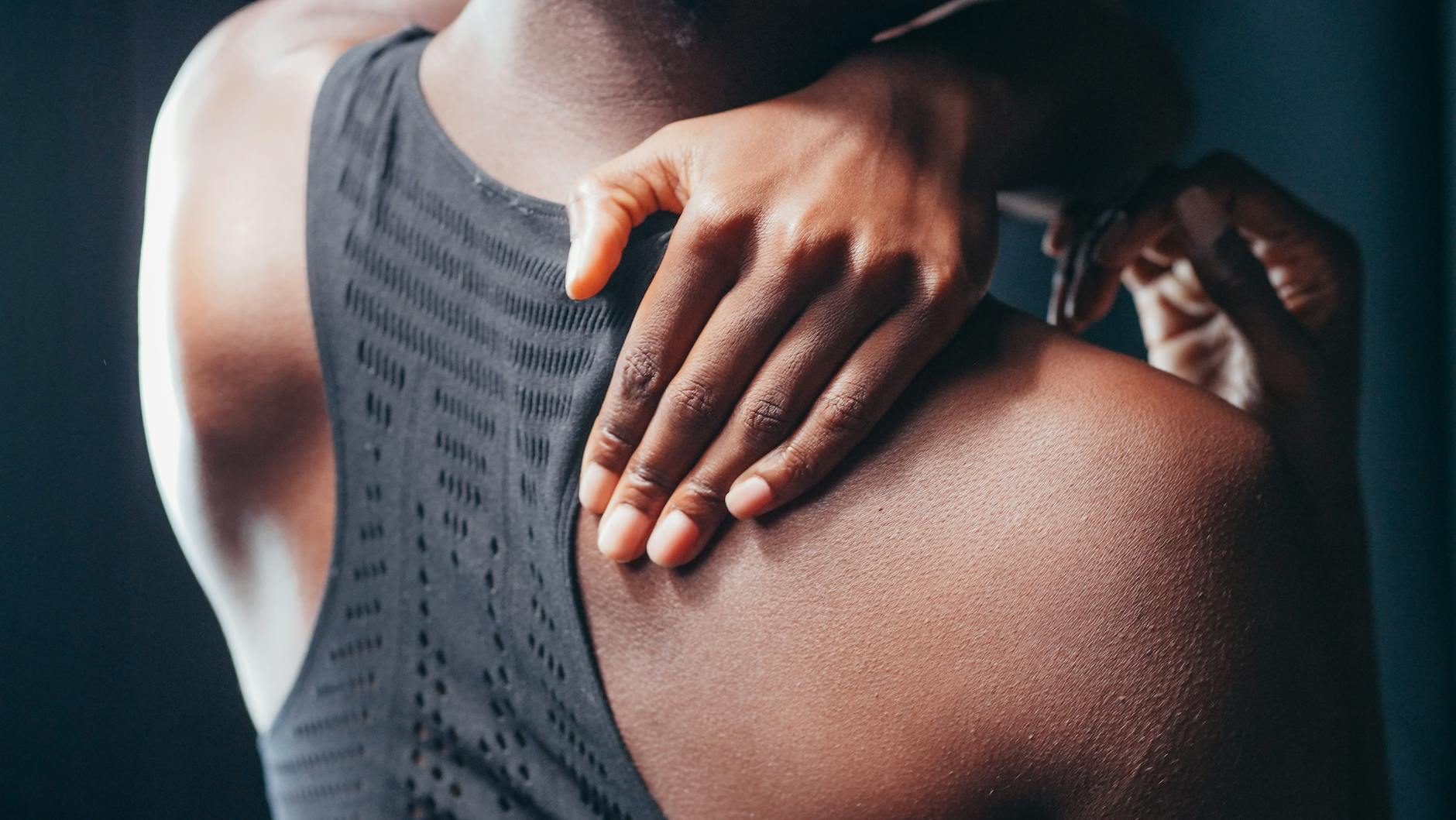
Staying active is essential for good health, but sports injuries can have a lasting impact—especially for men who play hard in their teens, 20s, and 30s. While many injuries heal with time and care, some never fully recover. These lingering issues can sneak up years later, limiting mobility and making everyday activities harder. Ignoring the warning signs or rushing back into action often sets the stage for chronic pain or stiffness. Understanding which sports injuries are most likely to cause trouble down the road is the first step to protecting your future mobility. If you want to age with strength and flexibility, it’s crucial to know which injuries can haunt you later.
1. Torn Meniscus
The meniscus is a wedge-shaped cartilage in your knee that acts as a shock absorber. Tearing is common in sports that involve twisting, like basketball, soccer, or tennis. While some tears can heal on their own or with surgery, many men experience lingering pain, stiffness, or a “catching” sensation in the joint. Over time, a torn meniscus increases the risk of knee arthritis and reduced knee mobility. This means you might find squatting, kneeling, or even walking up stairs more difficult as you age. For many men, a meniscus tear is one of those sports injuries that never fully heal, especially if left untreated or if surgery doesn’t restore full function.
2. Rotator Cuff Tears
Shoulder injuries are notorious for lingering effects, and rotator cuff tears top the list. The rotator cuff is a group of muscles and tendons that stabilize your shoulder. Tears often happen in baseball, swimming, or weightlifting. Even with physical therapy or surgery, full recovery is tough. Many men lose some range of motion or experience chronic shoulder pain, making overhead movements and lifting objects more challenging. These injuries can quietly chip away at your ability to stay active, especially in your 50s and beyond.
3. Achilles Tendon Rupture
The Achilles tendon connects your calf muscles to your heel. When it ruptures—often during explosive movements in sports like basketball or soccer—it’s a painful and serious injury. Even after surgery and months of rehab, a ruptured Achilles can leave lasting weakness, limited ankle flexibility, and a higher risk of re-injury. Long-term, this can mean difficulty running, jumping, or even walking briskly. For many men, the Achilles is a weak spot that never feels quite the same again, making it one of the classic sports injuries that never fully heal.
4. Anterior Cruciate Ligament (ACL) Injury
The ACL is a major ligament in your knee, responsible for stability during cutting, pivoting, and jumping. Tearing your ACL is common in football, basketball, and skiing. Even after reconstructive surgery and rehab, the knee may never regain its original strength and stability. Some men develop early arthritis or chronic swelling, and there’s a higher risk of re-injury. Over time, these issues can make running, hiking, or even walking long distances more difficult. An ACL tear is a prime example of a sports injury that can haunt your mobility years after the initial trauma.
5. Chronic Ankle Sprains
Rolling your ankle happens quickly but can have long-lasting effects. Repeated ankle sprains often damage the ligaments and destabilize the joint. Over time, this leads to chronic pain, swelling, and a higher risk of developing arthritis. Many men who played basketball, soccer, or track sports in their youth often find themselves with weak or stiff ankles decades later. Chronic ankle sprains are one of those sports injuries that never fully heal, quietly limiting your mobility and confidence on uneven ground.
6. Herniated Disc
Contact sports, heavy lifting, and even golf can lead to a herniated disc in your spine. This injury can cause radiating pain, numbness, or weakness in the legs or arms. While some people recover with rest and therapy, many men experience ongoing symptoms—especially if nerve damage occurs. A herniated disc can limit your ability to bend, twist, or lift, and it often leads to chronic back pain. Even years after the injury, these symptoms can flare up with minor strain, affecting both your mobility and quality of life.
7. Hip Labral Tear
The labrum is a ring of cartilage around your hip joint that helps keep the joint stable. Sports that involve a lot of twisting or jumping, like hockey or soccer, can cause a labral tear. These injuries are hard to diagnose and often don’t heal well. Men with hip labral tears may face ongoing pain, stiffness, or clicking in the hip. Over time, this can limit your stride, make sitting or standing uncomfortable, and increase your risk of early-onset arthritis—a classic example of sports injuries that never fully heal and cost men mobility later.
Protecting Yourself from Sports Injuries That Never Fully Heal
Knowing which sports injuries can linger is only half the battle. Prevention and early action are key. Always warm up before activity, use proper technique, and listen to your body’s warning signs. If you do get hurt, don’t rush back onto the field. Give yourself time to heal fully, and seek medical advice when pain persists. Mobility is a long-term investment, and protecting your joints and muscles now pays off as you age.
If you’re already dealing with a chronic injury, it’s not too late to take steps. Physical therapy, low-impact exercise, and lifestyle adjustments can help. Remember, focusing on recovery today can mean more freedom and flexibility tomorrow.
Have you experienced any sports injuries that never fully heal? How have they affected your mobility or daily life? Share your story in the comments below.
What to Read Next…
- 6 Unsettling Injuries That Can Only Occur In One Specific Sport
- Concussion Myths That Are Still Being Quietly Pushed By Leagues
- Why So Many Athletes Report Night Terrors After Major Wins
- 7 Health Threats That You Continue To Ignore Even Though Your Wife Is Begging You To Seek Treatment
- 6 Mens Health Screenings You Shouldnt Ignore
