
7 Signs Your Job Is Quietly Being Replaced by AI
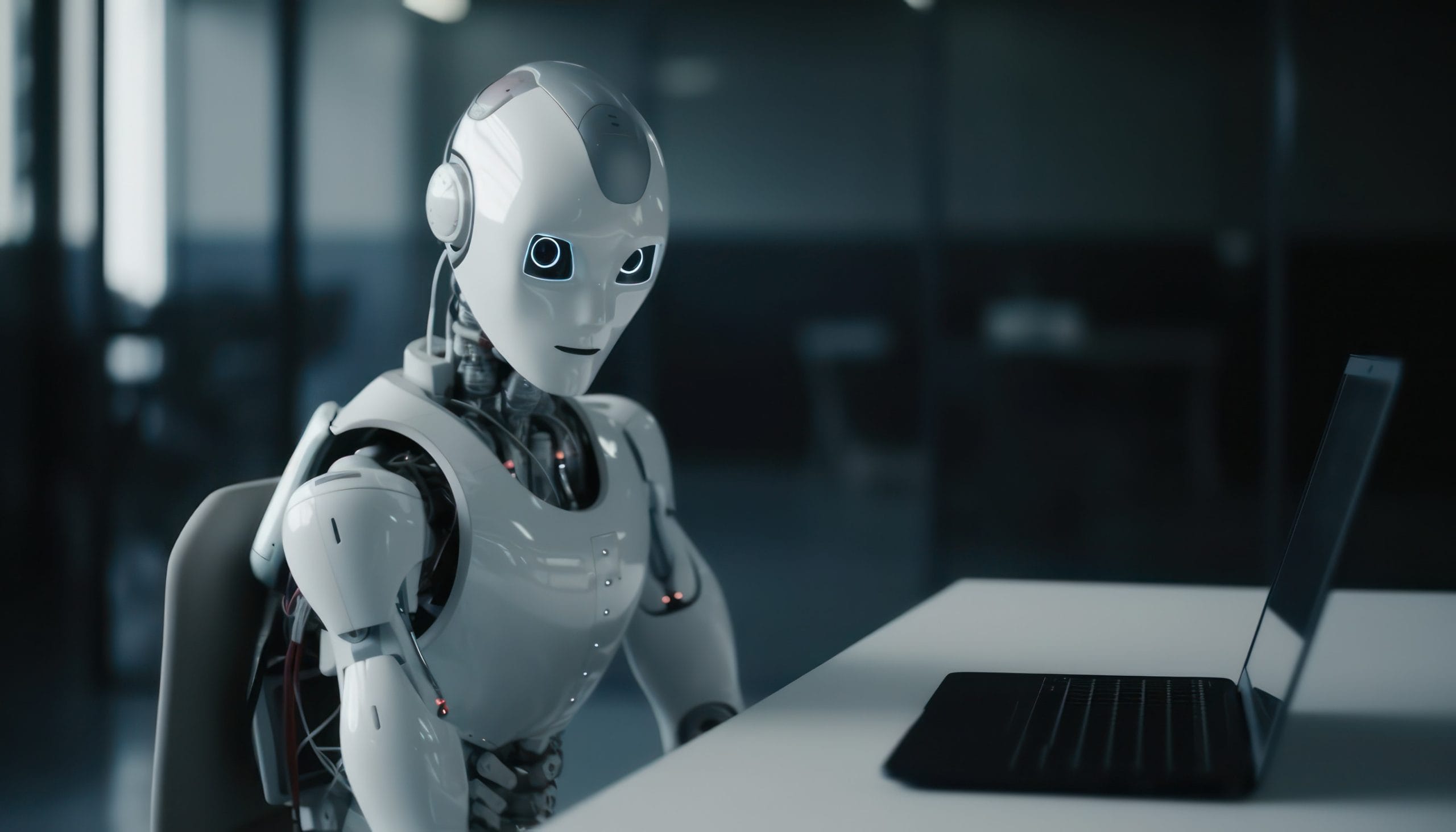
Artificial intelligence isn’t just transforming industries. It’s reshaping the workplace in ways many employees don’t immediately notice. While companies rarely announce that a role is being phased out, small changes often signal the shift before layoffs or restructuring happen. From subtle software updates to sudden drops in responsibilities, AI can quietly start taking over tasks you once handled. Recognizing these signs early can help you adapt, upskill, or plan your next move. Here are seven signs your job may be quietly replaced by AI.
1. Tasks You Once Did Are Now Automated
One of the clearest signs AI is moving in is when routine responsibilities suddenly disappear from your to-do list. Instead of assigning data entry, scheduling, or customer service responses to you, companies roll out new software that handles it automatically. At first, this feels like a time saver, but it also signals that your role is losing value. If fewer tasks require human input, employers may eventually decide the role itself isn’t essential. When automation creeps into daily operations, it’s often the first step toward job replacement.
2. Your Company Invests Heavily in AI Tools
When management begins highlighting AI investments during meetings, it’s worth paying attention. Whether it’s customer service chatbots, generative AI for marketing, or machine learning for logistics, these tools are designed to reduce labor costs. If your role overlaps with the areas AI is targeting, you may see less need for human involvement. Companies rarely admit these investments aim to shrink staff, but the writing is often on the wall. Paying attention to where money flows helps you spot if your position is in danger.
3. Training Shifts Away From Human Skills
If your company’s training programs now focus on learning new software rather than developing professional skills, it may be a red flag. Employers often expect workers to become supervisors of AI rather than active contributors. Instead of honing leadership or problem-solving abilities, you’re being asked to monitor dashboards or manage outputs. This quiet shift in training priorities suggests the human element is no longer central. When the focus moves entirely to tools, your role may slowly become obsolete.
4. You’re Doing More Oversight Than Creation
AI excels at generating reports, designs, or content, leaving humans to check for accuracy. If most of your day is spent reviewing what technology produced rather than creating from scratch, your role is already changing. Oversight jobs sound safe, but they often shrink as the technology improves. Companies may eventually decide fewer humans are needed to double-check machine output. When your creativity or expertise is sidelined, it’s a sign AI is steadily replacing your core contributions.
5. Leadership Talks About “Efficiency” Constantly
Corporate buzzwords often hint at bigger strategies. If leaders constantly emphasize efficiency, scalability, or optimization, AI is usually part of the plan. While those terms sound positive, they often mask cost-cutting that leads to reduced staff. Efficiency through automation is rarely about making your work easier; it’s about making your role unnecessary. Recognizing this language early helps you prepare before decisions are finalized.
6. Hiring Freezes in Your Department
Another subtle sign is when your department stops hiring replacements for people who leave. Instead of filling positions, companies may use AI systems to absorb the workload. At first, it might feel like the team is just stretched thin, but it often points to a long-term strategy. Employers may be testing whether AI can sustain output without adding new employees. If hiring freezes linger, your department could be slowly phased out.
7. Fewer Opportunities for Advancement
If promotions or career paths in your role suddenly stall, AI may be the reason. Companies don’t invest in long-term growth for positions they plan to replace. You might notice fewer leadership openings, reduced mentoring, or unclear next steps. When the ladder feels blocked, it often means your role is becoming less relevant to the company’s future. Limited advancement opportunities are a strong sign your job is at risk.
Preparing for the Future Before It’s Too Late
The quiet arrival of AI in the workplace isn’t always bad. It can create new roles while phasing out old ones. Still, ignoring the warning signs could leave you unprepared when major changes happen. Upskilling in areas AI can’t easily replace, like strategic thinking, emotional intelligence, or creative problem-solving, can help you stay relevant. Being proactive about your career ensures technology works for you, not against you. Have you noticed AI reshaping how your role functions at work?
What to Read Next
Why Men Over 45 Are Losing Jobs Faster Than Women in 2025
8 Ways the Wealth Gap Is Getting Worse Right Now
3 Job Interview Answers That Instantly Disqualify You, According to a CEO
8 High-Paying Jobs Set to Explode in Demand
Why Some Men Are Quitting Six-Figure Jobs Without a Backup Plan
