
7 Places QR Code Phishing Is Hooking Men Right Now
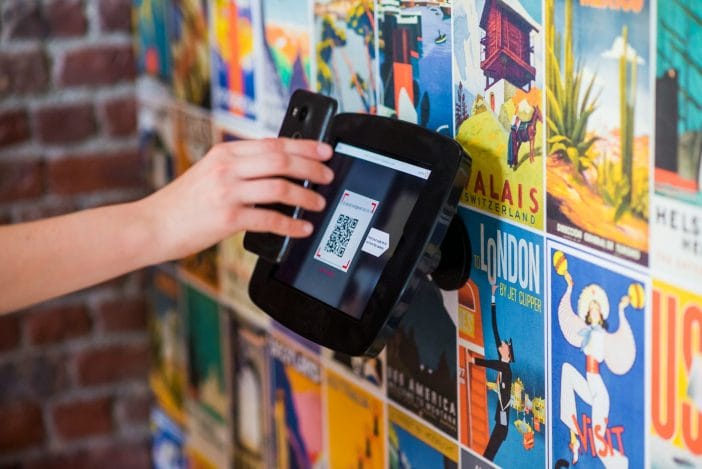
Walk past a shiny sticker on a wall, scan it quickly, and boom — a problem starts growing quietly inside a phone. QR codes feel modern, clean, and convenient, but scammers have learned how much trust people place in those black-and-white squares. Men seem to face a growing share of QR phishing attacks lately, especially when rushing through errands or trying to keep life simple.
Cybercriminals do not chase complicated schemes anymore. They build traps that look normal, friendly, and helpful. QR phishing works because people do not inspect links hidden inside codes before scanning them. Once someone scans a malicious code, the phone can open fake login pages, install unwanted software, or ask for personal credentials.
1. Parking Lots and Car Windshields That Look Too Helpful
Parking lots have become surprisingly popular hunting grounds for QR scammers. Some criminals place fake parking violation notices under windshield wipers and add QR codes that claim to help drivers pay fines quickly. The urgency message pushes people to act before thinking.
Drivers rushing to avoid penalties may scan the code without checking whether the notice actually came from a city authority. Legitimate municipal parking systems usually have official websites or apps rather than random printed stickers. Scammers love copying official-looking logos to make the fake notice feel real.
If a parking ticket appears on a vehicle, checking the city transportation website or contacting parking enforcement directly helps confirm authenticity. Never pay fines through QR links printed on unknown paper slips stuck to windshields.
2. Dating Apps Where Romance Meets Risk
Dating platforms sometimes become playgrounds for phishing campaigns because emotional interest lowers guard levels. Scammers create attractive profiles, then send QR codes claiming they link to private photos, verification systems, or social media pages.
Platforms like Tinder and other social networking dating services actively remove suspicious accounts, but new ones appear constantly. A common trick involves asking someone to scan a QR code to “verify age” or “unlock full profile access.”
Real dating platforms rarely require QR scanning for basic communication. When someone insists on QR verification, that should trigger suspicion bells. Keeping conversations inside the official app instead of moving to external links protects personal data and emotional energy.
3. Restaurant Tables That Invite You to Order Fast
QR menus exploded in popularity after global health events pushed contactless dining. Many restaurants now place codes on tables that lead directly to ordering systems. Unfortunately, scammers sometimes replace legitimate codes with malicious stickers.
Attackers sometimes target restaurant chains by printing fake menu QR codes that redirect customers to phishing pages pretending to be services like PayPal or other payment processors.
Before scanning table QR codes, checking whether the code belongs to the restaurant brand helps. Some people open the restaurant’s official website and compare menu links. If the code looks scratched, newly pasted, or oddly placed, walking to the counter and asking staff about it feels old-school but smart.
4. Social Media Messages That Feel Personal
Direct messages on social platforms often carry QR links claiming to show private content, security alerts, or special promotions. Attackers exploit trust built inside social circles. Messaging apps such as WhatsApp sometimes become channels where fake verification or reward QR codes circulate. Scammers may pretend the code connects to account recovery tools or exclusive groups.
Security experts recommend ignoring QR codes sent unexpectedly, even if the message appears to come from someone known. Instead of scanning, opening the official app and checking notifications directly keeps control of the digital door.
5. Package Delivery Notices That Create Panic
Online shopping growth created another target zone. Fake delivery notices sometimes appear on doors, emails, or text messages telling people to scan QR codes to reschedule packages. Attackers mimic courier branding and urgency language. Some fake notices claim packages will be returned unless people act immediately.
Real delivery services rarely force customers to scan QR codes to confirm shipping information. Visiting the official courier website and entering tracking numbers manually works better than trusting printed codes found outside homes.
6. Public Transit Stops That Catch Busy Travelers
Public transportation stations sometimes host community information boards, event promotions, or ticket services that use QR technology. Scammers occasionally paste fake promotional stickers over legitimate transit codes. People rushing to catch trains or buses may scan without checking who placed the code. Transportation authorities usually publish official mobile ticketing apps rather than relying on random street stickers.
Travelers can verify codes by checking station signage consistency. If one sticker looks newer, brighter, or strangely placed compared to others, avoiding it feels like a wise move.
7. Job Recruitment Ads That Promise Easy Money
Job seekers sometimes encounter QR codes inside flyers promising remote work or high-paying opportunities. Some phishing campaigns target men searching for side income or career switches. Fake recruiters may imitate company pages and ask applicants to scan QR codes for “interview verification.” Scammers sometimes steal login details or request payment for training materials.
Real employers rarely ask job candidates to scan QR codes as the first step of hiring. Researching company websites and contacting human resources through official contact information keeps career dreams safe.

Staying Smart Without Becoming Paranoid
QR technology itself is not dangerous. People use it safely every day for banking, ordering food, and accessing information. The danger appears when urgency, emotion, or convenience overrides careful thinking.
Updating phone security software, checking URLs before entering passwords, and avoiding unexpected QR scans reduce risk. Taking three extra seconds before scanning can prevent hours of headache later. If something feels rushed, unusual, or too good to be true, trusting that gut feeling often helps. Cybersecurity is less about complex technology and more about patient habits.
Digital Trust Starts With Small Pauses
Technology keeps getting friendlier, but fraudsters keep getting smarter. The best protection comes from slowing down for a moment before trusting unknown QR codes, especially in parking lots, dating chats, delivery alerts, and public spaces. Staying alert does not mean avoiding modern tools; it means using them wisely and confidently.
So next time a square barcode appears in an unexpected place, will you scan it immediately or take a breath and check where it really leads? Let’s discuss digital safety in our comments below.
You May Also Like…
8 Things Home Safety Experts Say Don’t Belong in Your Attic
The Social Security Scam Call That Tricks Seniors Into Paying on the Spot
Modern Dating Scams: 7 Money Schemes Men Fall For on Apps Every Day
Scammers Are Copying Your Bank’s Fraud Alerts — Here’s How to Spot the Fake
