
7 Lawn Tools That Cause Fatal Accidents Every Summer
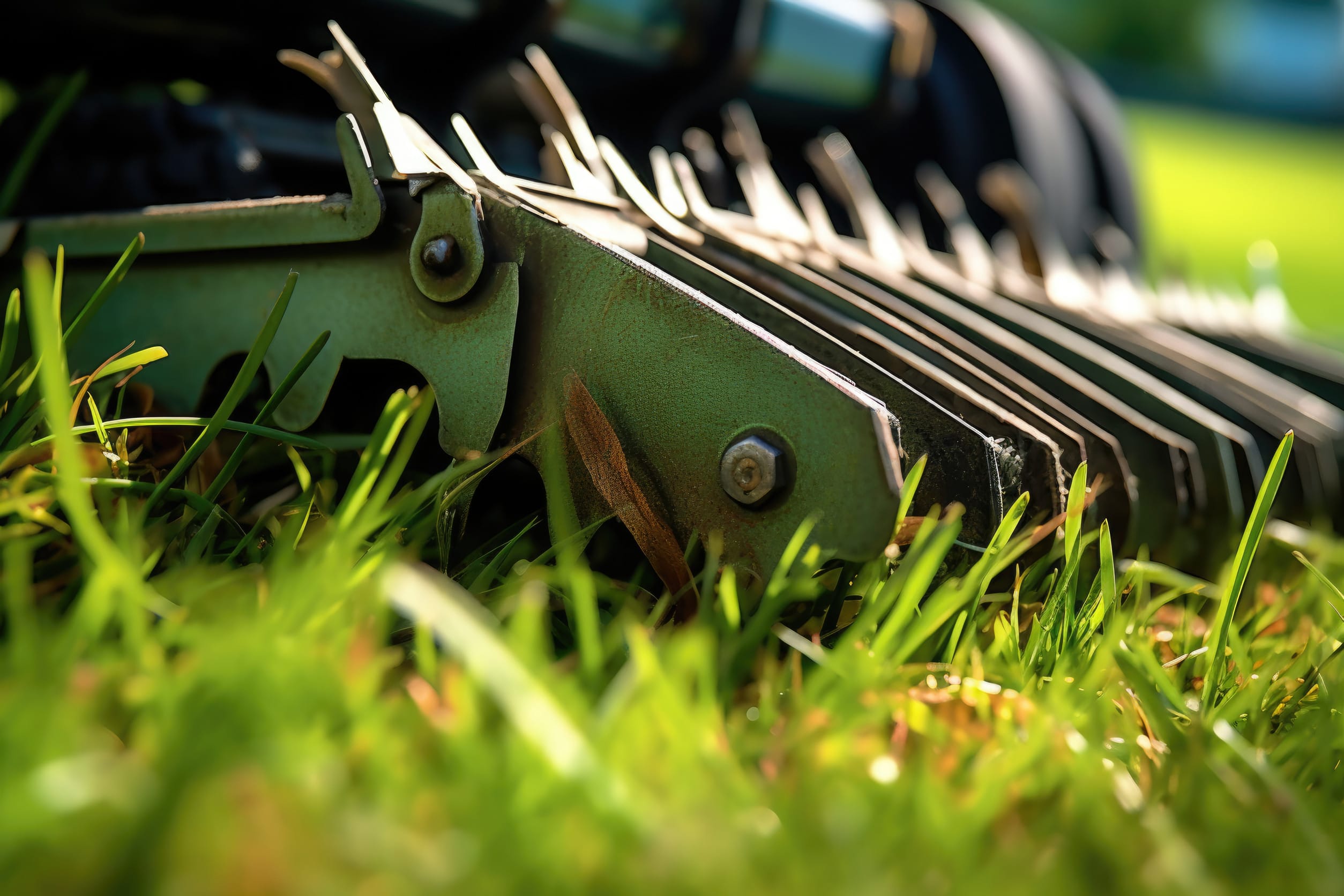
Want to enjoy your yard this summer without risking tragedy? Knowing which lawn tools are the most dangerous (and how they lead to fatal accidents) can help you work smarter, safer, and with more peace of mind. From lawnmowers to leaf blowers, many common tools seem harmless… until a lapse in safety turns them deadly. Here are seven lawn tools that cause fatal accidents every summer, and what you can do to avoid a catastrophic accident.
1. Riding Lawn Mowers
Riding lawn mowers are among the deadliest tools in yard work, causing numerous accidents each year, especially when moving parts, tipping, or rollovers are involved. Statistics show that around 75 people are killed annually on or near riding lawnmowers and garden tractors in the U.S. Kids are particularly vulnerable: many fatalities result when they’re passengers, fall off, or are run over because they entered the mowing area unexpectedly. Also, slopes and uneven terrain significantly increase risk, especially if the mower rolls over. Regular maintenance, proper training, and never allowing passengers are essential safety measures. Wear appropriate footwear, avoid mowing on steep inclines, and always use safety guards.
2. Walk-Behind Lawn Mowers
Walk-behind mowers may seem safer simply because you’re close to the ground, but that proximity can make them more dangerous in other ways. Many injuries and deaths come from contact with the blade, either from accidentally stepping into its path or trying to clear debris while the mower is still on. Also, hot engine parts like mufflers can cause burns, particularly in children who unknowingly touch them. Letting someone inexperienced operate one without supervision increases danger. To stay safe, always turn off the mower and disconnect spark plugs before making adjustments or cleaning. Use gloves, closed-toed shoes, and follow the manual’s safety guidelines.
3. Chainsaws and Wood Chippers
When it comes to cutting or shredding wood, chainsaws and wood chippers are incredibly powerful and unforgiving. Fatal incidents often occur when operating without proper protective gear, losing control of the saw, or when limbs or clothing get caught. Also, wood chippers can pull in more than just branches. Gloves, boots, or arms can get sucked in if too close. Electrocution is another risk when chainsaws are used near power lines or in wet conditions. Regular sharpening, inspections, keeping tools clean, avoiding loose clothing, and using protective gear (helmets, eye protection, chaps) are critical.
4. String Trimmers / Edgers
String trimmers (weed whackers) and edgers are often used for precision work, but their high-speed rotating line or blade makes them dangerous. They can throw debris like stones or nails as projectiles that hit bystanders or operators. Accidents also happen when people use them on ladders, slopes, or without a stable footing. Trimmer guards may be removed or malfunction, removing protections. To avoid tragedies, inspect the guard before each use, wear eye protection, sturdy shoes, and identify and clear objects in the trimming area before switching on.
5. Leaf Blowers & Blowers
Leaf blowers may not seem physically dangerous, but misuse or improper maintenance can lead to fatal situations. Debris blown at high speed can damage eyes, cause lung issues, or provoke accidents if people lose footing due to recoil. Also, electrical leaf blowers present a shock or fire risk in damp conditions or if cords are frayed. Prolonged exposure to noise can lead to hearing loss, which impairs situational awareness and could increase risk. To stay safe, use blowers in dry conditions, inspect cords, wear hearing and eye protection, and always be aware of where people, especially children, are when in use.
6. Shovels, Spades, and Non-Power Hand Tools
Hand tools like shovels or spades may seem benign compared to power equipment, but they are involved in serious, fatal accidents, especially through heat exhaustion, falls, or strain injuries. For example, when digging on steep slopes or marshy ground, people can slip and be injured by their own tools. Also, muscle fatigue, improper lifting technique, or working under extreme heat can lead to loss of control or collapse. Ground or terrain may hide obstacles causing trips, and improperly stored tools can cause stabbings or puncture injuries. The key is to use good posture, take breaks, stay hydrated, keep tools in good condition, and store them safely when not in use.
7. Electric Tools & Trimmers (Including Extensions and Cords)
Electric-powered tools, including electric trimmers, hedge clippers, and tools using extension cords, pose a mix of mechanical, electrical, and fire hazards. Fatal shocks can occur if cords are damaged, wet, or if tools aren’t grounded properly. Also, misuse like pulling on cords, using the wrong gauge extension cords, or using tools beyond their rated capacity leads to overheating and possible electrocution. Working during wet conditions, such as after rain, makes the risk worse. To prevent accidents: inspect cords before use, never use power tools in wet conditions, make sure safety switches work, and store cords so they aren’t exposed to damage.
Staying Alive While You Mow
Understanding which lawn tools are the most dangerous is just the first step. What really matters is how you use them. Fatal accidents usually happen when safety steps are skipped, tools are misused, or operators are unprepared. No matter what tool you’re using (power tools, manual tools, or electric), you’ll drastically reduce risk by following the equipment manual, using protective gear, staying alert, and maintaining tools properly. Work steadily (not hurriedly), avoid working in extreme conditions, and teach children early about what’s safe (and what’s not). Being cautious doesn’t mean being afraid. It means being smart.
What safety practice do you think makes the biggest difference when using lawn tools? Share your experiences or tips in the comments below. We’d love to hear what works for you!
