
7 Hidden Safety Defects Car Dealers Hope You Never Research
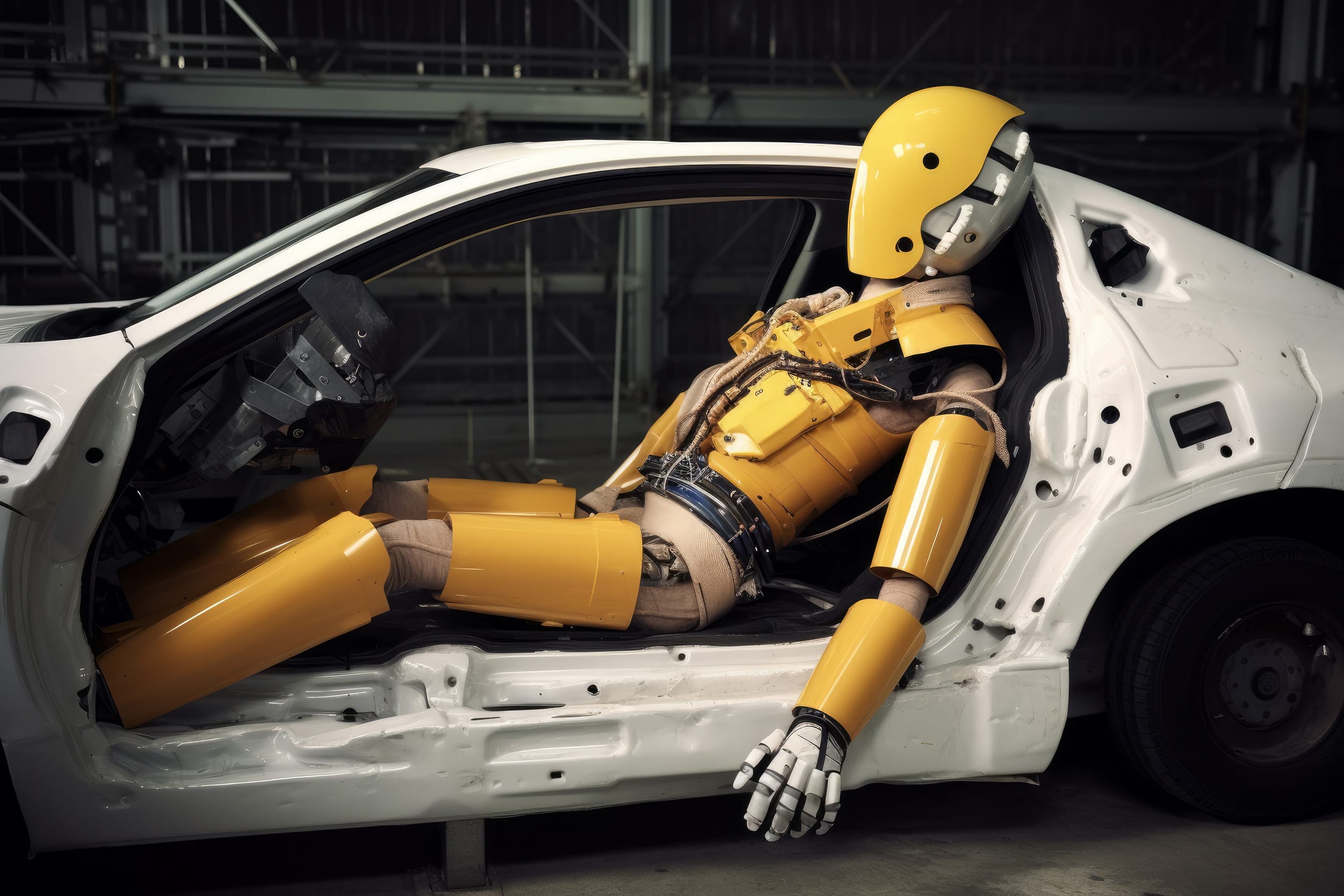
Car dealers are skilled at highlighting the best features of a vehicle (sleek designs, high-tech gadgets, and promises of reliability). What they’re far less eager to discuss are the hidden safety defects that don’t show up on the sales sheet. These flaws can put you and your passengers at serious risk, yet many buyers never think to ask the right questions or dig deeper before signing the paperwork. The truth is that certain defects slip through recalls or go unnoticed until tragedy strikes, and by then it’s too late. If you’re shopping for a car, here are seven safety concerns you need to know that dealers rarely volunteer.
1. Faulty Airbags That Don’t Deploy
Airbags are supposed to be your last line of defense in a crash, but defective systems can fail when you need them most. Some airbags have been known to deploy too late, not at all, or even with excessive force that causes injury. The infamous Takata airbag recall revealed just how widespread the problem could be, with millions of vehicles affected worldwide. Dealers don’t always emphasize whether a car has been part of a recall, especially on the used lot. For your own protection, always run the vehicle identification number (VIN) through the National Highway Traffic Safety Administration (NHTSA) database before you buy.
2. Weak Roof Structures in Rollovers
A vehicle’s roof strength can be the difference between survival and fatality in a rollover accident. Unfortunately, some manufacturers cut corners on materials or design, leaving roofs unable to withstand the pressure of a rollover crash. While federal standards require a certain level of strength, not all vehicles are created equal, and test results vary widely. Dealers often showcase safety awards but rarely talk about roof crush resistance ratings. If you drive an SUV or truck, which are more prone to rollovers, this hidden safety defect deserves extra attention.
3. Defective Seat Belts That Latch Poorly
Seat belts are one of the simplest and most effective safety devices in a car, but only if they work as intended. Some belts may fail to latch securely, detach during impact, or lock up at the wrong moment. These issues are not always obvious during a quick test drive, which is why they often go undetected by buyers. Dealers may be aware of recalls on seat belt components but choose not to highlight them unless pressed. Checking for recalls and testing seat belts thoroughly before purchase could prevent serious injuries later.
4. Electrical Failures That Disable Safety Systems
Modern vehicles are packed with electronic safety features, from stability control to collision avoidance. However, hidden electrical flaws can cause these systems to fail silently, leaving drivers with a false sense of security. A single wiring issue could disable an entire airbag network or anti-lock braking system without triggering obvious warnings. Dealers sometimes downplay or ignore reports of electrical issues because they’re costly to fix and harder for buyers to detect. Insist on a full inspection by an independent mechanic before purchase to uncover problems lurking in the vehicle’s electrical system.
5. Brake System Defects That Reduce Stopping Power
When brakes don’t perform properly, accidents become nearly impossible to avoid. Some vehicles have been reported with premature brake wear, faulty master cylinders, or caliper problems that reduce stopping effectiveness. Dealers may replace worn pads before a sale, but overlook deeper defects in the braking system. Since brakes are such a critical safety feature, a hidden defect here can be catastrophic. Test the brakes during your drive and consider having a certified mechanic check for recalls or technical service bulletins tied to the model.
6. Steering Components Prone to Failure
A sudden steering failure is every driver’s nightmare, yet some cars are sold with weak or defective steering components. Issues such as faulty tie rods or defective power steering systems can make vehicles difficult to control, particularly at high speeds. These flaws often develop slowly, meaning the defect may not show up during a quick test drive. Dealers are not eager to point out known problems because it can reduce a car’s resale value. If you notice stiffness, noises, or unusual feedback in the wheel, it’s a red flag that should not be ignored.
7. Poor Crash Test Ratings Kept Quiet
Not every car earns top marks in crash safety tests, but you wouldn’t know it by listening to most sales pitches. Dealers highlight awards and ignore the ratings that show weaknesses in side-impact or small-overlap crash tests. These poor results often reveal vulnerabilities in vehicle structure that increase injury risks for drivers and passengers. Because few buyers actually research safety ratings before purchase, it’s easy for dealers to gloss over the truth. Always check independent ratings from the Insurance Institute for Highway Safety (IIHS) or NHTSA before committing to a vehicle.
What Buyers Should Take Away From This
The next time you walk onto a dealer’s lot, remember that the glossy brochures and sales talk rarely include the full story. Hidden safety defects, from airbags and brakes to roof strength and seat belts, are more common than many realize. By researching recalls, checking crash test ratings, and investing in a pre-purchase inspection, you can avoid buying a car that hides dangerous flaws. Your safety, and the safety of your loved ones, is too important to gamble on sales tactics or assumptions. Informed buyers don’t just get a better deal; they get peace of mind on the road.
Have you ever discovered a safety issue in a car after buying it? Share your story or tips for spotting hidden defects in the comments below!
What to Read Next
- 5 Automakers That Faced the Biggest Lawsuits Over Defective Cars
- 6 Innocent Car Accessories That Reduce Safety in Crashes
- Hidden Danger: How Budget Cuts Are Weakening Vehicle Safety Standards
- 7 Car Add-Ons That Increase Risk Without Improving Safety
- 10 Car Safety Ratings That Didn’t Hold Up in Real-World Crashes
