
7 Gun Storage Habits That Are Quietly Illegal in Many Homes
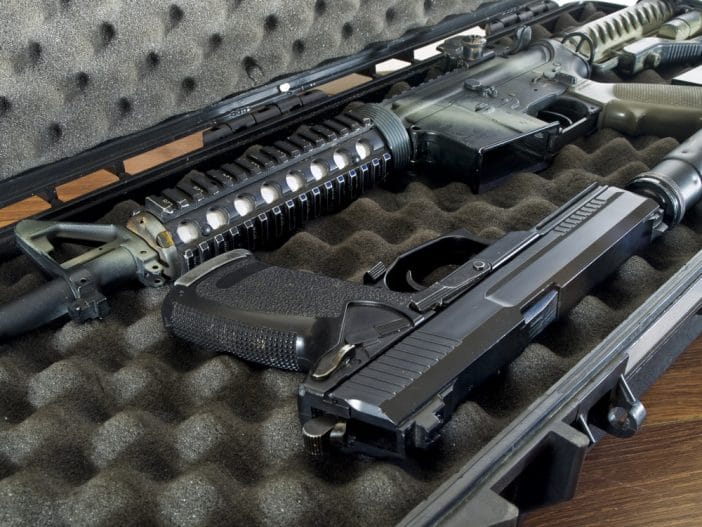
Gun ownership comes with serious responsibility, and not just at the range. As of 2026, more than 20 states have passed or updated gun storage laws that criminalize certain habits inside your own home. What used to be considered “common sense” or “my house, my rules” is now a legal liability, especially if children, guests, or renters are present. Even if you’re a responsible gun owner, the way you store your firearms could quietly violate local or state law. Here’s a look at seven storage habits that could land you in legal trouble, even if your intentions are good.
1. Leaving a Loaded Gun in a Nightstand Drawer
It’s convenient, sure, but in many states, it’s now illegal. Laws in California, Massachusetts, Illinois, and other states require that any firearm not in immediate use be locked or disabled if minors could access the home. A nightstand drawer, even if closed, doesn’t count as secure storage. If a child, a guest, or even a burglar finds it, you could face criminal charges. Under modern gun storage laws, “easy access” is now a legal risk.
2. Relying on a Hidden Spot Instead of a Lock
Some gun owners think hiding a firearm (under a mattress, behind a bookshelf, or in a closet) is enough. But most states with child access prevention laws say that only a locked container or disabling device meets the legal standard. If your “hiding spot” is discovered and the gun is accessed, you could be held liable, even if no one is harmed. Prosecutors don’t care how clever your hiding place is. If it’s not locked, it’s not legal.
3. Storing Guns in an Unlocked Vehicle Overnight
Leaving a firearm in your car overnight (especially unlocked) is a growing legal gray area. Some states, like New York and California, now require guns stored in vehicles to be locked in a container and secured to the frame of the car. If your vehicle is broken into and the gun is stolen, you could face charges for negligent storage. Even in states without specific vehicle storage laws, prosecutors can use general negligence statutes. Bottom line: your glovebox isn’t a gun safe.
4. Keeping Ammo and Firearms Together in the Same Unlocked Space
Many gun owners store ammo and firearms side by side for quick access. But in states like Massachusetts and Oregon, this violates gun storage laws that require separate, locked storage for ammunition and firearms. The logic is simple: even if someone finds your gun, they shouldn’t be able to load it easily. If both are accessible, you could be charged with unsafe storage. Separate and secure is the new standard.
5. Using a Gun Safe That’s Not Anchored or Tamper-Resistant
Not all safes are created equal. Some states now define “secure storage” as a container that is tamper-resistant, anchored, or meets specific safety standards. A cheap lockbox that can be carried away doesn’t cut it. If your safe can be pried open or stolen, it may not meet legal definitions. Always check your state’s requirements for what qualifies as a compliant gun safe.
6. Letting Houseguests or Roommates Access Your Firearms
Even if your roommate or houseguest is a legal gun owner, giving them access to your firearms can be a legal risk. In states with strict gun storage laws, only the registered owner may have access unless the other person has explicit permission and meets all legal requirements. If a prohibited person (like a felon or someone with a restraining order) accesses your gun, you could face felony charges. This includes adult children or partners with a criminal record.
7. Storing Guns in Temporary Residences Without Proper Security
Staying in a hotel, RV, or Airbnb? In states like California, these count as “residences” under new gun storage laws. That means your firearm must still be locked or disabled. Leaving a loaded gun in a duffel bag or under a pillow could be considered criminal negligence. Always travel with a portable lockbox that meets TSA and state standards.
The Law Doesn’t Care About “Good Intentions”
You might think you’re being careful, but the law doesn’t measure intent; it measures access. As gun storage laws evolve, especially in states like California, Illinois, and Massachusetts, the burden is on the owner to prevent unauthorized access at all times. That means locked containers, separate ammo storage, and no shortcuts. A single mistake could cost you your license, your freedom, or worse. Responsible ownership starts with legal compliance because safety isn’t just common sense anymore, it’s codified.
Have you updated your storage habits to match your state’s latest laws? Share your setup (or your questions) in the comments below.
What to Read Next
6 Gun Safe Setups That Can Start a House Fire
The Way Most Men Store a Handgun in the Car Is Now a Magnet for Felony Charges
ATF Agents Say This Popular Pistol Upgrade Is Quietly Getting Gun Owners Flagged for Federal Review
