
7 Features That Make a House “Uninsurable” in Some States
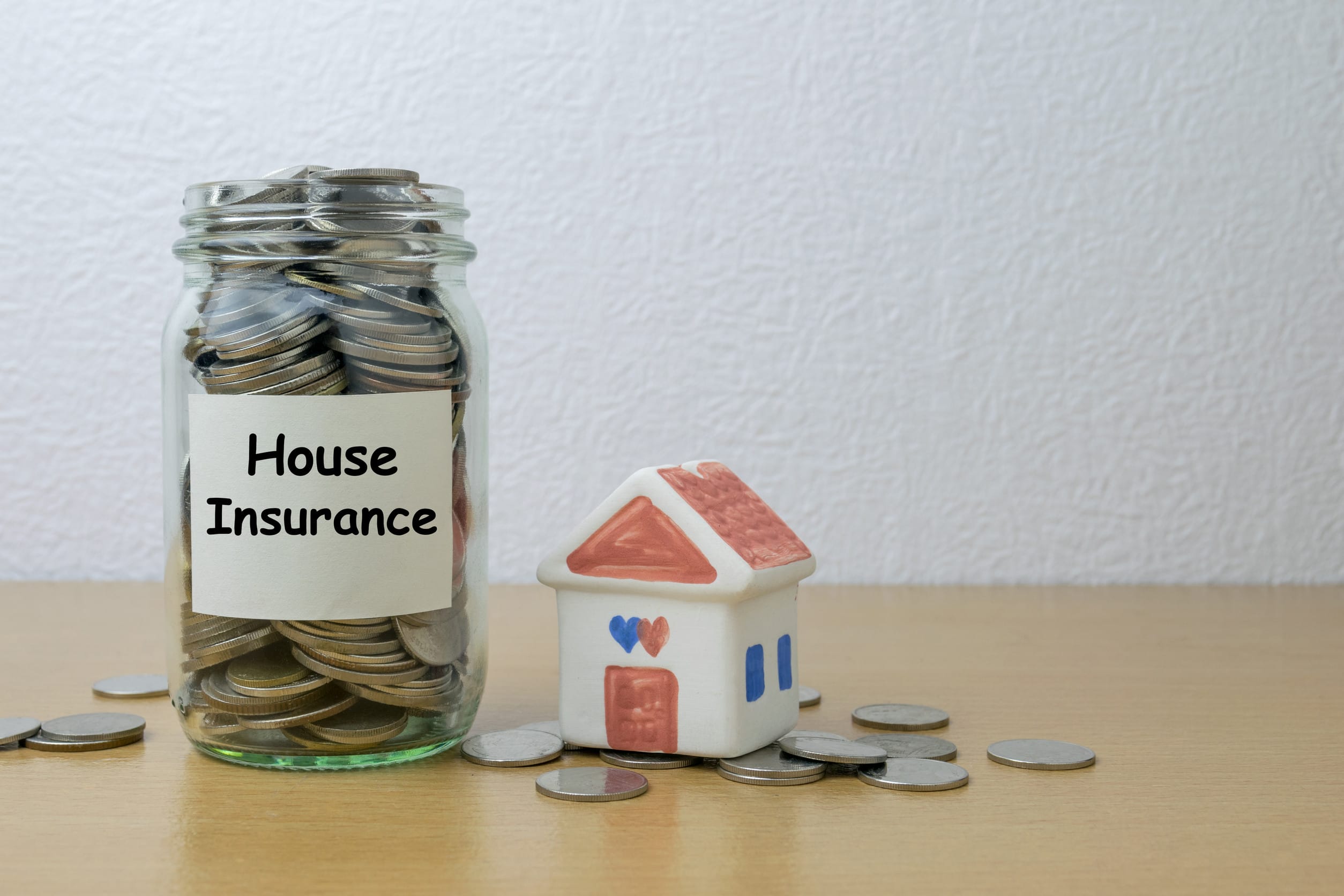
You may think you’ve finally found your dream home. It has everything you could imagine (and more). But when you go to get home insurance, you discover that your “dream home” has several features that make it uninsurable. Sky-high premiums or flat-out refusal aren’t uncommon. These seven features could put you in a tight spot when it comes to insuring your home in some states.
1. Location in High-Risk Disaster Zones
If a house sits in a flood plain, wildfire corridor, or hurricane zone, insurers may refuse coverage—or charge premiums so high it’s unaffordable. These areas are increasingly shrinking as climate impacts intensify. States like California and Florida have seen insurers withdraw entirely from whole regions, making many homes essentially uninsurable. Plus, homes beyond a reasonable distance from a fire station or in high-crime locales may also raise red flags.
2. History of Frequent Insurance Claims
Too many past claims—especially multiple in a short span—send warning signals to insurers. A house with two or more claims in three years is often flagged as high-risk and may be denied coverage entirely. Claims data stays on record for years and shows insurers that a property may have unseen structural issues or chronic damage.
3. Poor Credit-Based Insurance Score
Your credit-based insurance score directly influences eligibility. A very low score may lead insurers to see you as a liability and decline coverage entirely. Even if you’re offered a policy, premiums will be substantially higher, making the home effectively uninsurable in practical terms.
4. Outdated Structure and Neglected Maintenance
An older home with outdated wiring, plumbing or roof can pose serious hazards. Insurers may deny coverage if essential systems haven’t been updated or key repairs haven’t been done. Visible deterioration—like cracked foundation or worn exterior—also raises risk. In many states, homes needing extensive maintenance are simply uninsurable without repairs.
5. Attractive Nuisances and Hazardous Amenities
Certain features—like unprotected swimming pools, trampolines, or treehouses—are called “attractive nuisances” because they increase liability. Insurers may deny coverage until protective measures (e.g. fencing, gates) are installed. Even dog breeds deemed aggressive—like Pit Bulls or Rottweilers—can lead to exclusion or denial.
6. Reliance on Insurer of Last Resort Programs
When private insurers stop servicing an area, homeowners often turn to state-run FAIR plans or similar high-risk pools. But those plans carry much higher prices and limited coverage. For instance, California’s FAIR Plan often costs two to three times more and only covers fire losses—but many homeowners are unable to get standard policies at all. When even last resort plans can’t be sustained, a home becomes functionally uninsurable.
7. Mortgage and Lending Obstacles on Uninsurable Homes
If a house is uninsurable, most mortgage lenders won’t finance it. That forces buyers to pay cash—and often at a steep discount. Properties that can’t meet insurer requirements are excluded from conventional financing, shrinking the market and making resale difficult. In effect, that risk makes homes uninsurable from both insurance and liquidity perspectives.
Avoid Costly Surprises By Securing Stable Coverage
Some of these dealbreakers might come as a surprise to you. After all, there are some things listed here that are completely out of your control. Climate risk, for instance, isn’t something you can necessarily change. That said, every single one of these factors could potentially shut the door on coverage for your home. So, it is a good idea to consider these things before moving forward with a house purchase. Securing stable coverage will not only provide you with peace of mind, but it will help you protect your investment in the long run.
What feature worries you most when considering a home? Share your thoughts below in the comments!
Read More
10 Life Insurance Policies That Can Be Cancelled Without Notice
