
7 Bad Driving Habits That Cause Fatal Wrecks
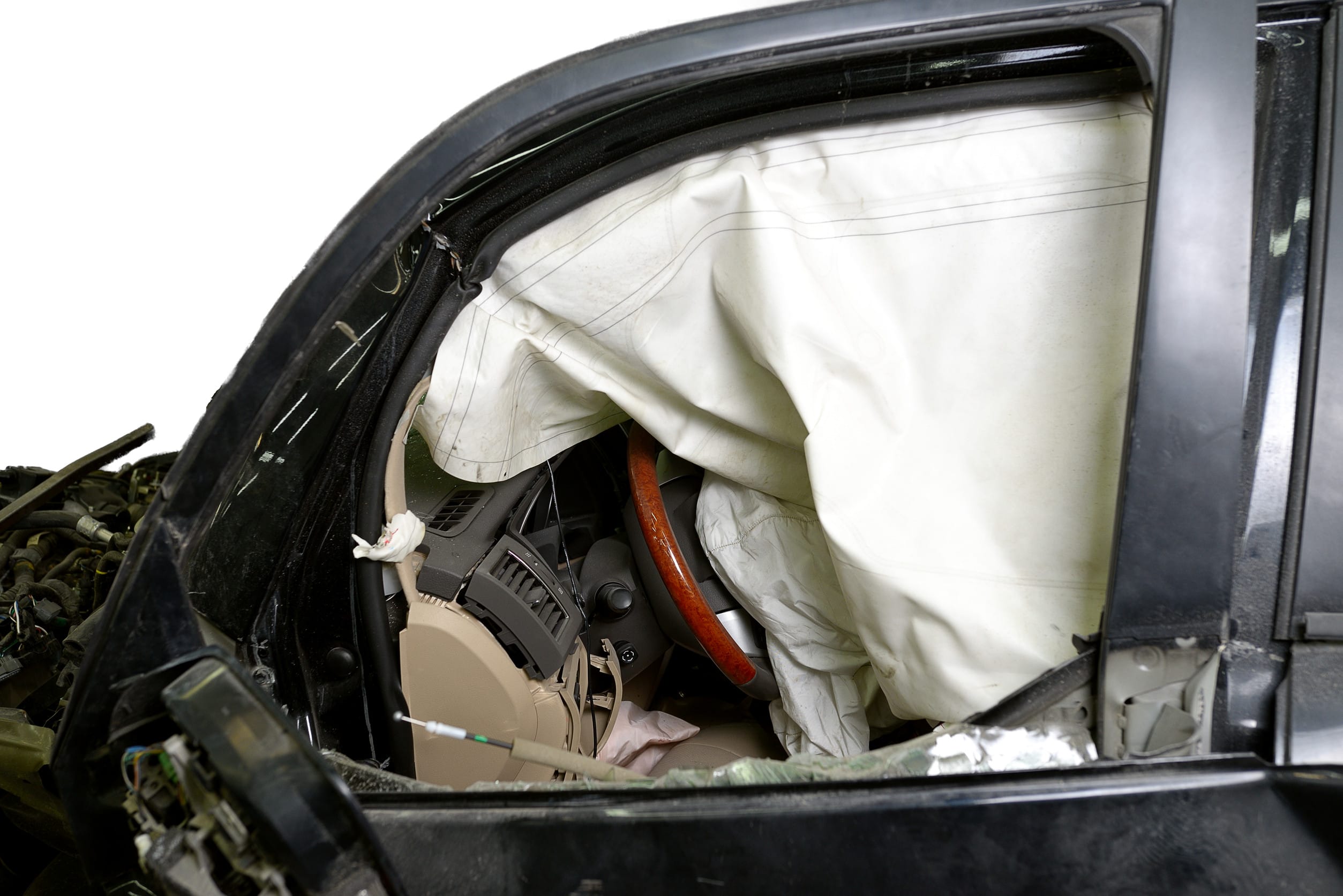
When you’re behind the wheel, one split-second decision can turn a routine drive into something tragic. We all think, “Not me,” but bad driving habits are behind thousands of fatal wrecks each year, and knowing which ones are the most dangerous gives you the power to stop them. Whether it’s for your safety, your loved ones, or simply avoiding lifelong regrets, identifying and quitting these risky behaviors matters. Here are seven driving habits that most often lead to fatal wrecks, so that you can avoid them.
1. Speeding and Driving Too Fast for Conditions
Speeding remains one of the top bad driving habits tied to fatal crashes across the U.S. Driving faster than the traffic, over the posted limit, or too fast for weather/road conditions greatly reduces reaction time. The faster you go, the more severe a collision will be; even small speed increases can mean much more damage. Data from sources such as the Insurance Institute for Highway Safety (IIHS) and DOT show that speeding contributes to nearly 25-30% of fatal crashes.
2. Driving Under the Influence of Alcohol or Drugs
One of the most well-known yet still common bad driving habits is being impaired at the wheel. Whether from alcohol, prescription drugs, or illicit substances, impairment slows your judgment, reduces coordination, and makes it harder to respond to hazards. In 2022, about 31.3% of fatal crashes involved at least one driver legally impaired by alcohol. Many people underestimate how even small amounts of alcohol or unprescribed meds affect driving skills. Avoiding impaired driving (including being sleepy or medicated beyond tolerance) is critical.
3. Distracted Driving (Phones, Eating, Other Distractions)
Checking your phone, eating, adjusting the radio or navigation, talking to passengers. These are all distractions that pull attention away from the road. According to the NHTSA, in 2023, over 3,200 people were killed in crashes involving distracted drivers. Even a glance away for just two seconds at highway speeds can cover the length of a football field before you look up. Keeping eyes, hands, and mind on driving minimizes risk. It’s one of the most changeable bad driving habits, and quitting it can save lives.
4. Fatigue and Drowsy Driving
Driving while drowsy or tired mimics some effects of driving under the influence: slower reaction times, impaired judgment, and risk of falling asleep. The National Highway Traffic Safety Administration estimates thousands of crashes are related annually to drowsy driving, many resulting in serious injury or death. Especially on long drives or when driving at night after long work hours, fatigue builds up without us noticing. Rest breaks, good sleep before trips, and sharing driving are practical ways to reduce this danger.
5. Aggressive Driving / Reckless Behavior
Tailgating, weaving through traffic, running red lights, and cutting people off are aggressive driving behaviors and major examples of bad driving habits. They escalate small mistakes into life-threatening situations, especially when combined with speed. Records show that many fatal wrecks involve drivers behaving recklessly. Aggressive driving often comes with greater error risk and less margin for safety. Cooling down, giving others room, and obeying traffic laws all help you avoid being part of that statistic.
6. Failing to Yield, Lane Violations, & Ignoring Signs
A lot of fatal accidents happen when drivers ignore stop signs, lights, right-of-way rules, or drift out of their lane. These may seem like small infractions, but at high speed or in heavy traffic, they can be deadly. Studies indicate “failure to yield” and “failure to obey traffic signs, signals, or officer” are among the listed factors in many fatal crash reports. When you assume you have the right-of-way or don’t see a sign, that’s when collisions happen. Staying alert to traffic signals, respecting lanes, and watching other drivers’ behavior can prevent disasters.
7. Driving in Poor Conditions Without Adjusting
Bad weather, darkness, glare, wet or icy roads multiply risks. One of the worst driving habits is acting as though conditions don’t matter: still speeding, still tailgating, still driving aggressively. Data shows roadway departure crashes and fatal wrecks spike under conditions like low light, wet roads, or when drivers are impaired and don’t adjust. Using slower speeds, turning on lights, increasing following distance, and being extra cautious in bad conditions make a big difference.
What Drives These Habits & How You Can Break Them
These seven bad driving habits aren’t just random. They reflect stress, overconfidence, time pressure, or ignorance about real risk. Many drivers don’t see themselves as risky, assuming “I’m experienced” shields them. But statistics don’t lie: these behaviors repeatedly appear in fatal crash investigations. The good news is you can change: choose patience over speed, avoid distractions, never drive impaired or tired, and leave earlier so you’re not rushing. Fixing one bad driving habit at a time piles up and rebuilds your safety margin on every trip.
Which of these bad driving habits have you noticed yourself doing, maybe more often than you’d admit? What changes helped you (or could help) correct it? Share your experience in the comments.
