
7 Attic Inspections You Need to Do Before the Snow Melts
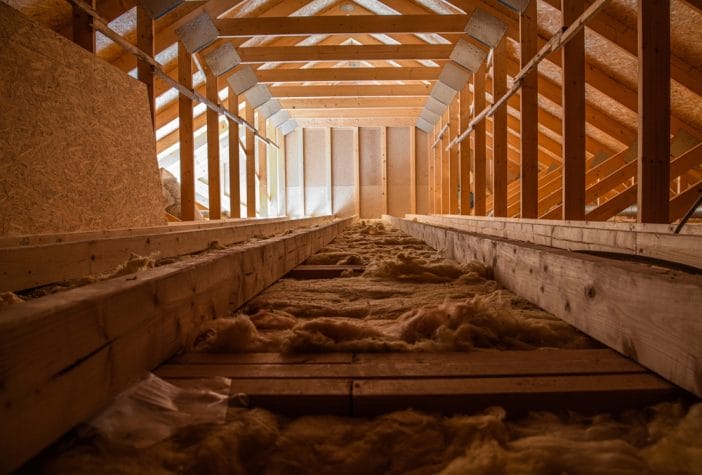
Most homeowners don’t think about their attic until something goes wrong, but winter is the season when hidden problems quietly grow. As temperatures rise and snow begins to melt, small issues can turn into expensive repairs almost overnight. A few simple attic inspections now can help you catch moisture damage, heat loss, and structural concerns before they become springtime emergencies. Here are seven things you need to look for, especially if you’ve been impacted by the recent winter storms in the south.
1. Check for Signs of Moisture or Frost
Moisture is one of the biggest threats to your attic, especially during winter. As part of your attic inspections, look for frost buildup, damp insulation, or water stains on the wood framing. These signs often indicate warm indoor air leaking into the attic and condensing in the cold space. If left untreated, moisture can lead to mold growth, wood rot, and structural damage. Catching it early can save you thousands in repairs once temperatures rise.
2. Inspect Your Insulation for Gaps or Settling
Insulation naturally settles over time, reducing its effectiveness. During your attic inspections, check for thin spots, uneven coverage, or areas where insulation has shifted away from the edges. Poor insulation allows heat to escape, which can melt snow unevenly and contribute to ice dams. It also forces your heating system to work harder, increasing your energy bills. A quick inspection helps you determine whether you need to add or redistribute insulation before spring.
3. Look for Evidence of Rodents or Pests
Winter is prime time for rodents seeking warmth, and your attic is a favorite hiding spot. It’s a good idea to look for droppings, shredded insulation, gnaw marks, or nests. Rodents can damage wiring, contaminate insulation, and create fire hazards. Even small infestations can grow quickly if ignored. Addressing the problem early prevents costly cleanup and repairs later.
4. Examine Ventilation to Ensure Proper Airflow
Good airflow is essential for a healthy attic, especially in winter. Check that soffit vents, ridge vents, and gable vents are clear of debris or insulation blockages. Poor ventilation traps moisture and warm air, increasing the risk of mold and ice dams. It also shortens the lifespan of your roof shingles by causing them to overheat from below. Ensuring proper airflow now helps your attic stay dry and balanced as temperatures fluctuate.
5. Check for Roof Leaks or Weak Spots
Even a small roof leak can cause major damage once snow begins to melt. Be sure to look for dark stains, soft wood, or daylight shining through the roof boards. These signs often indicate water intrusion or structural weakness. Winter storms can loosen shingles or create tiny openings that worsen over time. Identifying these issues early allows you to schedule repairs before spring rains make them worse.
6. Inspect Electrical Wiring for Damage or Overheating
Your attic may contain wiring for lights, fans, or HVAC systems, and winter conditions can expose weaknesses. Look for frayed wires, scorch marks, or loose connections. Rodents often chew on wiring, creating hidden fire hazards. Overheating can also occur if insulation is packed too tightly around electrical components. A quick visual check helps ensure your home stays safe and energy-efficient.
7. Look for Structural Shifts or Sagging
Heavy snow loads can put stress on your roof and attic framing. As you complete your attic inspections, check for sagging beams, cracked rafters, or joints pulling apart. These issues may start small but can worsen quickly as temperatures rise and snow melts. Structural problems often go unnoticed until they cause visible damage inside the home. Addressing them early helps protect your roof and prevents costly emergency repairs.
A Little Attention Now Prevents Big Problems Later
Winter may hide problems, but thorough attic inspections bring them to light before they become expensive surprises. By checking for moisture, insulation issues, pests, ventilation problems, leaks, wiring concerns, and structural shifts, you give your home the best chance to transition smoothly into spring. These inspections don’t require special tools… just a careful eye and a bit of time. The attic may not be glamorous, but it’s one of the most important spaces to maintain. A few proactive steps today can save you stress, money, and headaches tomorrow.
What attic issues have you discovered in past winters, and did catching them early save you money? Share your experience in the comments.
What to Read Next
10 Red Flags That Can Ruin Your Home Inspection
Why Skipping Inspections Backfires
9 Mileage Milestones That Demand Inspection
These State Inspection Rules Are Costing Drivers Big This Year
