
6 Travel Essentials That Are Now Banned in Several Countries

Travel has always been an act of freedom—packing a suitcase, ticking off a list of essentials, and heading off to see the world. But that freedom now comes with unexpected restrictions. Items once considered staples in every traveler’s backpack or carry-on are being banned by more and more countries.
Whether for environmental protection, safety, or public health, certain everyday products can now land a traveler in hot water at customs. Knowing what not to pack is just as important as remembering a passport or boarding pass.
1. Single-Use Plastic Bags
Long gone are the days when travelers could stuff souvenirs, snacks, or wet swimsuits into disposable plastic bags without a second thought. Countries like Kenya, Bangladesh, and Rwanda have imposed some of the world’s strictest bans on single-use plastic bags. These nations cite severe environmental damage and clogged waterways as reasons for the outright prohibition. Travelers caught with plastic bags can face steep fines and, in some places, even jail time. Savvy tourists now pack reusable cloth bags to avoid unintentional trouble at the border.
2. Certain Sunscreens
It seems counterintuitive to leave sunscreen out of a suitcase, especially when traveling to tropical paradises. However, places like Hawaii, Palau, and parts of Thailand have banned sunscreens containing oxybenzone and octinoxate. These chemicals are linked to coral bleaching and long-term damage to delicate marine ecosystems. Visitors can still protect their skin by choosing reef-safe alternatives that use minerals like zinc oxide or titanium dioxide. Failing to comply could mean confiscation at the airport or hefty fines on the beach.
3. Chewing Gum
Chewing gum is something many travelers stash in their pockets for fresh breath during long flights or after sampling local cuisine. Yet, Singapore’s strict regulations make gum a banned item unless it has therapeutic purposes and a prescription. The country implemented the ban to keep public spaces spotless and prevent damage to sidewalks and public transit. Bringing in gum without proper documentation can result in significant fines or, worse, detention. Travelers are wise to skip gum and carry mints instead when passing through Singapore’s immaculate streets.
4. E-Cigarettes and Vaping Devices
What began as a modern alternative for smokers has become a travel headache for those heading to certain countries. Nations like Thailand, India, and Brazil have banned e-cigarettes and vaping products outright. The bans stem from concerns about youth usage, unregulated ingredients, and potential health risks. Customs officials in these countries do not hesitate to confiscate vaping devices and impose serious penalties on offenders. Smokers must respect local laws and find legal alternatives while abroad.
5. Drones
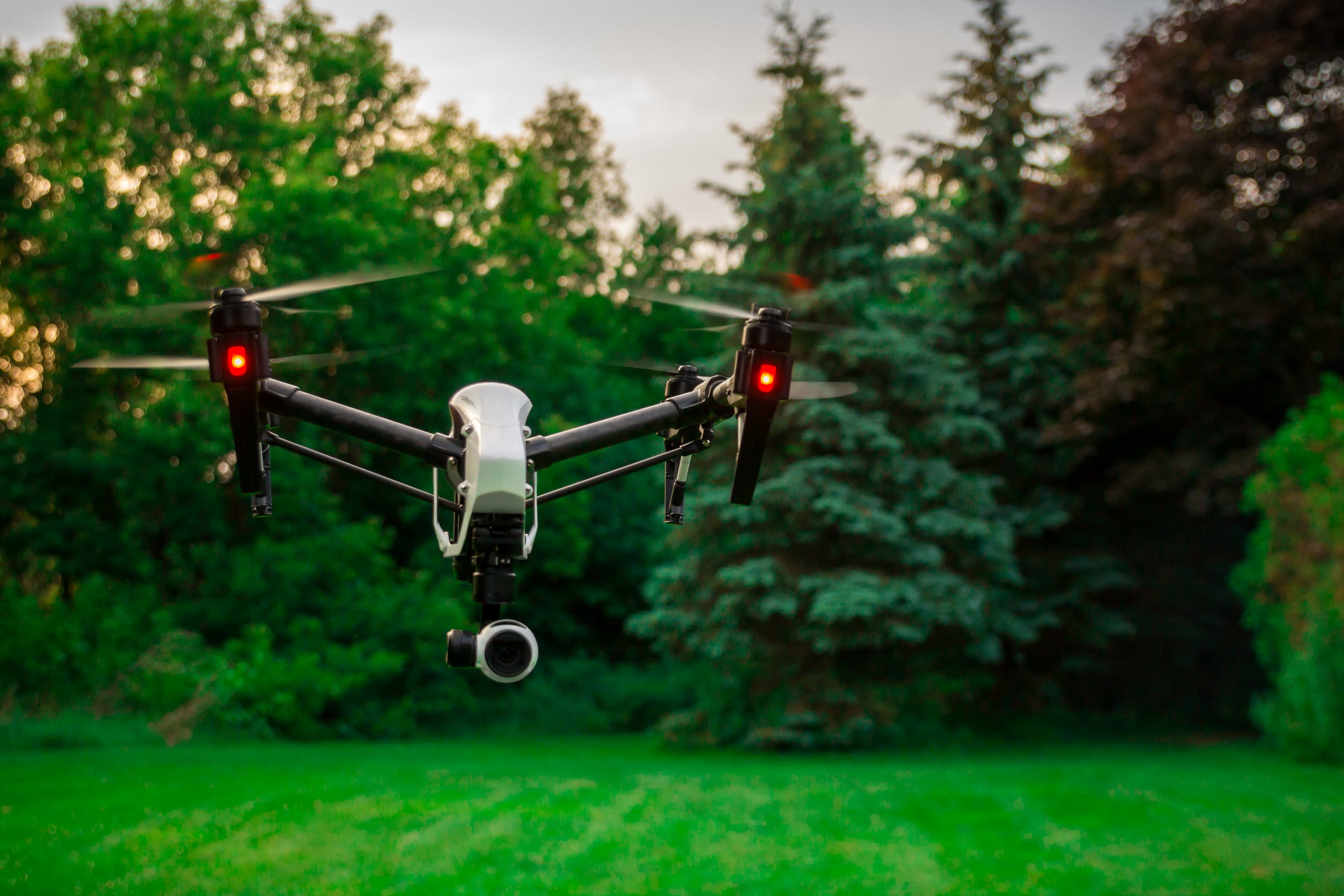
Drones have become a favorite gadget for capturing sweeping aerial shots of landmarks and hidden beaches. However, several countries have cracked down on the casual use of drones by tourists. In Morocco, Cuba, and parts of India, bringing in a drone without prior approval can lead to confiscation and questioning at the airport. Security concerns, privacy issues, and risks to wildlife often drive these bans. Travelers’ eager for aerial footage must research drone laws carefully and secure permits when required.
6. Non-Biodegradable Glitter
Glitter, that seemingly harmless addition to festival outfits or artsy travel photos, is now under global scrutiny. Many European countries and some parts of Australia have banned the sale and import of non-biodegradable glitter. This tiny plastic pollutant wreaks havoc on waterways and marine life when it washes off into the environment. Travelers planning to pack glitter for parties, photoshoots, or themed events may find themselves violating local bans. Eco-friendly, biodegradable alternatives have become the only acceptable option in these destinations.
Staying Informed Before Packing
Travel rules are changing fast, and once-innocent essentials can now pose unexpected legal risks abroad. Bans on items like plastic bags, certain sunscreens, gum, e-cigarettes, drones, and glitter reflect a global push for cleaner environments, safer communities, and sustainable tourism.
Staying informed about local restrictions helps travelers avoid fines, confiscations, and awkward encounters at customs. It also supports the destinations trying to preserve their natural beauty and cultural integrity. Readers are invited to share thoughts or experiences with unexpected travel bans in the comments below—what surprising item has been left behind at home?
Read More
8 Travel Habits That Could Invalidate Your Medicare Abroad
10 Life-Saving Tips for Pet Owners Traveling with Their Animals
