
6 Toilet Papers Plumbers Say Are the Worst for Your Pipes
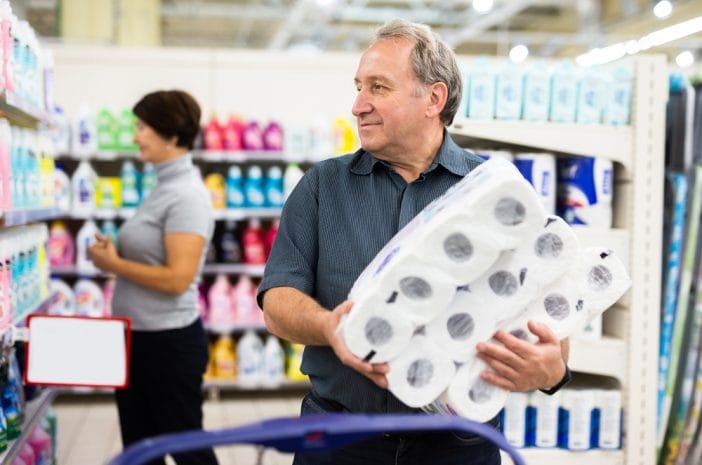
What you flush really matters when it comes to the health of your home’s plumbing system. Unfortunately, it’s something that most homeowners rarely think twice about. They think, “Whatever toilet paper I flush should be fine.” In reality, plumbers say that the wrong choice in this department can wreak havoc on your plumbing. The worst toilet paper around will break down slowly, swell when wet, or leave behind residue that can build up over time. Taking the time to know which brands and types to avoid can save you a lot of money and stress. So, be sure to leave these six types on the shelf.
1. Ultra-Thick “Luxury” Toilet Papers
Ultra-plush rolls might feel great, but plumbers consistently rank them among the worst toilet papers for household plumbing. Their multi-layer design makes them slow to break down, especially in older pipes or low-flow toilets. When they absorb water, they expand dramatically, creating dense clumps that get stuck in bends and joints. Over time, these clogs can trap other debris and lead to full blockages. Homeowners often don’t realize the cause until a plumber pulls out a wad of thick, swollen paper.
2. Quilted Toilet Papers With Heavy Embossing
Quilted toilet papers look soft and cushiony, but that texture is exactly what makes them problematic. The deep embossing creates pockets that hold water and resist breaking apart in the drain. Plumbers say these textured sheets are among the worst toilet papers for septic systems because they settle at the bottom instead of dissolving. As they accumulate, they can reduce tank efficiency and increase the need for pumping. If your home relies on a septic system, switching away from quilted varieties can prevent expensive maintenance issues.
3. Triple-Ply Toilet Papers
Triple-ply rolls are marketed as premium, but plumbers warn they’re simply too thick for many plumbing systems. The extra layers make them slow to dissolve, which means they often get stuck before they reach the main line. In homes with older cast-iron pipes, these papers can snag on rough interior surfaces and create stubborn clogs. Even modern PVC pipes can struggle with the density of triple?ply sheets. If you want to avoid the worst toilet papers for clog risk, triple-ply should be at the top of your “skip it” list.
4. Scented or Lotion-Infused Toilet Papers
Scented and lotion-infused toilet papers may feel soothing, but plumbers say the additives can cause trouble. The oils, perfumes, and moisturizers make the paper less absorbent and slower to break down. These coatings can also leave behind a sticky residue that clings to the inside of pipes. Over time, that residue traps other debris and creates buildup that narrows the pipe’s diameter. For homeowners trying to avoid the worst toilet papers, anything with added fragrance or lotion is a risky choice.
5. Recycled Toilet Papers With Long Fibers
Recycled toilet paper is eco-friendly, but not all versions are plumbing-friendly. Some brands use long, tough fibers that don’t dissolve as easily as traditional paper. Plumbers say these long fibers can tangle together, forming clumps that behave more like fabric than paper. In older plumbing systems, these clumps can get caught and create slow-forming blockages. If you want to support sustainability without choosing one of the worst toilet papers, look for recycled options labeled “rapid-dissolving.”
6. Cheap, Low-Quality Toilet Papers That Shred Easily
It might seem surprising, but the cheapest toilet papers can be just as problematic as the thickest ones. These bargain rolls tend to shred into tiny pieces that cling to rough pipe surfaces. Over time, those small pieces accumulate and create a sludge-like buildup that slows drainage. Plumbers often find that these papers contribute to chronic slow drains rather than sudden clogs. Even though they seem budget-friendly, they’re still among the worst toilet papers for long-term plumbing health.
What Kind of Toilet Paper Is Best?
When it comes to what kind of TP you should use, plumbers recommend finding something that fits three criteria:
- Quick dissolving
- Low-ply (single or two-ply)
- Septic safe
Choosing a paper with these three qualities will help you avoid clogs and keep water running smoothly through your system.
A Smarter Approach to Protecting Your Plumbing
Choosing the right toilet paper is one of the simplest ways to protect your plumbing and avoid unnecessary repair bills. Plumbers recommend looking for labels like “septic-safe,” “rapid-dissolving,” or “single-ply” if you want to minimize risk. Even if you prefer softer paper, using less per flush can make a big difference in preventing clogs. Paying attention to how your toilet drains after switching brands can also help you catch issues early. A few small changes can keep your pipes clear, your septic system healthy, and your home running smoothly.
Which toilet paper brands have caused problems in your home? Share your experience in the comments and help other homeowners avoid costly mistakes.
What to Read Next
The “Frozen Pipe” Mistake Homeowners Make During Temperature Swings
Experts Warn: This Overlooked Outage Step Can Burst Pipes While You Sleep
10 Home Projects That Look Easy—Until Your Pipes Explode
How to Keep Your Pipes From Freezing (And Save Money) This Winter
Plumbers Warn: This Is The Worst Thing You Can Do To Your Dishwasher
