
6 Things Mechanics See in Late Winter That Signal a Totaled Car
When I worked in auto repair shops, winter was usually a slower time. People tend to get their cars worked on before road trips and prior to the colder weather. However, after a winter of driving (and likely neglecting) your car, some things you’ve encountered could lead to your vehicle’s end. Snow, salt, potholes, and freezing temperatures all take a toll, but the real problems often surface only when the weather starts to warm. What looks like a minor issue can quickly reveal itself as a repair bill that exceeds the value of the car. Here are six things many mechanics see in late winter and early spring that could completely total your car.
1. Severe Rust Damage Hidden Under Winter Grime
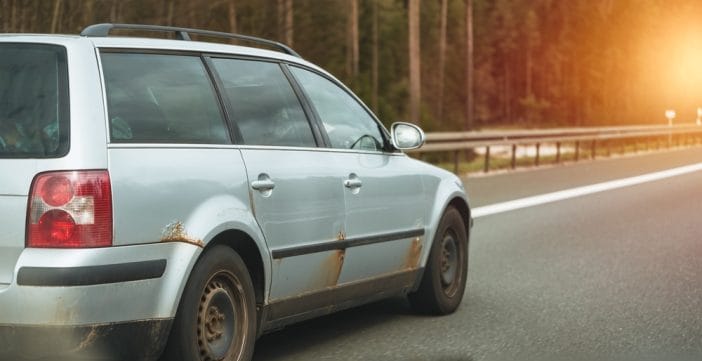
Mechanics often uncover rust that has been quietly spreading under layers of salt, slush, and road grime. This type of late-winter car damage is especially dangerous because it attacks the frame, brake lines, and suspension components. Once structural rust reaches a certain point, repairs become nearly impossible or financially unreasonable. Many drivers don’t notice the problem until a mechanic lifts the car and shows them the corrosion underneath. When rust compromises the frame, insurers frequently declare the vehicle totaled.
2. Suspension Collapse From Months of Pothole Impacts
Winter potholes form quickly and deepen even faster, and months of hitting them can destroy a car’s suspension. Mechanics say they see more bent control arms, cracked struts, and broken ball joints as winter comes to an end. When multiple components fail at once, the repair cost skyrockets beyond what the car is worth. Drivers usually notice clunking noises or uneven steering only after the worst damage is already done. A suspension system that’s too far gone is one of the most common reasons a winter-worn car gets totaled.
3. Engine Failure Caused by Cold-Weather Oil Thickening
Cold temperatures make engine oil thicker, and if a driver skips oil changes or uses the wrong viscosity, the engine can suffer serious internal wear. Seized engines, worn bearings, or oil starvation issues can all be catastrophic. Once an engine reaches this point, replacement is often the only option, and that cost alone can exceed the value of an older vehicle. Many drivers don’t realize the damage until the engine starts knocking or loses power. By then, the car is usually considered totaled due to repair costs.
4. Transmission Damage From Slipping on Ice and Snow
Repeated spinning, slipping, and sudden traction changes put enormous strain on a transmission. Mechanics say late-winter car damage often includes burnt transmission fluid, slipping gears, or complete transmission failure. Rebuilding or replacing a transmission is one of the most expensive repairs a car can need. When the damage is severe, insurance companies rarely approve repairs on older vehicles. A failing transmission is a major sign that a winter-beaten car is nearing totaled status.
5. Electrical System Failures From Moisture Intrusion
Snowmelt and slush can seep into wiring harnesses, connectors, and sensors, causing electrical chaos. Car damage during the colder months often includes short circuits, malfunctioning dashboards, and failing safety systems. Electrical repairs are notoriously time-consuming and expensive because technicians must trace the problem through multiple components. When moisture has spread throughout the system, the repair bill can easily exceed the car’s value. This type of damage is one of the most frustrating reasons a vehicle gets totaled.
6. Hidden Body Damage From Minor Winter Collisions
Low-speed winter accidents often seem harmless, but the damage beneath the surface can be far worse than expected. Bent frames, cracked welds, and misaligned structural components aren’t uncommon to see as winter comes to a close. These issues may not be visible until the snow melts and the car is inspected more closely. Once structural integrity is compromised, repairs become extremely expensive and sometimes impossible. Insurance companies often total cars with hidden collision damage because the cost to fix them outweighs their value.
Why Late-Winter Car Damage Is More Serious Than It Looks
Late-winter car damage tends to reveal itself all at once, which is why so many drivers are caught off guard. What seemed like a minor noise or small rust patch can quickly escalate into a major mechanical or structural failure. Mechanics say the key is paying attention to early warning signs and getting inspections before the weather fully warms. When damage is caught early, repairs are often manageable and far less expensive. Understanding these risks helps drivers protect their vehicles and avoid the shock of learning their car is suddenly totaled.
Have you ever discovered late-winter car damage that turned out to be worse than expected? Share your experience in the comments.
What to Read Next
Mechanics Say Ignoring These 5 Engine Sounds Could Total Your Car
Mechanics Say This One Driving Habit Quietly Destroys Transmissions in Cold Weather
6 Things Mechanics Hate About Modern “Eco-Friendly” Engines
Exhaust System Damage Is More Common Than Drivers Realize After Winter
Mechanics Warn: These Winter Driving Habits Can Destroy Your Engine in One Week
