
6 Signs Your Water Pipes Are About to Burst

Nothing ruins a day faster than the sound of rushing water where it shouldn’t be. One minute your home is dry, the next it looks like a scene from a disaster movie, all because a pipe decided it had enough. Pipes don’t give grand announcements before they fail, but they do leave behind signs that can save a homeowner thousands in repair costs. If a wall feels damp, a faucet drips constantly, or you notice unusual water behavior, it’s time to pay attention.
Learning to recognize the warning signs of an impending pipe burst isn’t just smart—it’s essential for keeping a home safe, dry, and stress-free.
1. The Subtle Sound of Trouble
Water pipes whisper before they scream. Listen closely for any banging, rattling, or unusual clanging noises in walls or under sinks. These sounds, often called “water hammer,” happen when high-pressure water slams into pipes that aren’t properly secured.
While it might sound like an innocent plumbing quirk, persistent banging indicates stress inside the system that can lead to a break. Even small vibrations can loosen pipe joints over time, increasing the risk of a sudden burst. If you start hearing these noises consistently, call a professional to inspect your pipes and reinforce any weak spots before a catastrophic failure occurs.
2. Cold Weather Doesn’t Just Freeze Water
Pipes in unheated areas of a home are extremely vulnerable during freezing temperatures. Ice expands, and when it forms inside pipes, it pushes outward against the pipe walls with tremendous force. Many homeowners only think about frozen pipes when the faucet won’t turn on, but subtle signs often appear first. Look for frost on exposed pipes, unusually cold water coming from faucets, or tiny leaks that appear around pipe connections.
Ignoring these early indicators can result in a pipe bursting suddenly and spraying water everywhere, causing major property damage. Installing insulation or heating cables can protect pipes, but early detection remains the best defense.
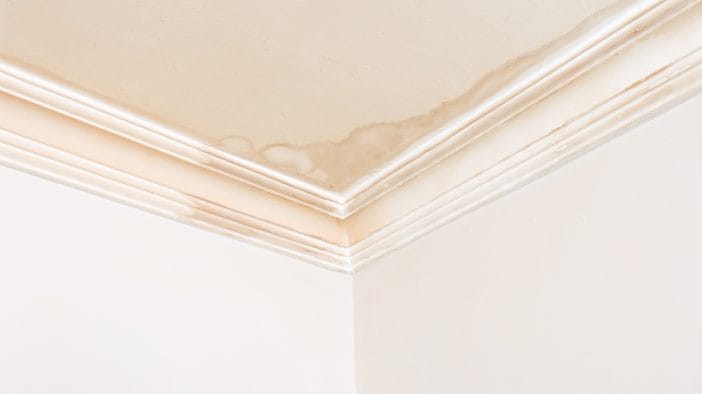
3. The Creeping Stain That Speaks Volumes
Stains on ceilings, walls, or floors are a red flag for plumbing issues. Even a small discoloration can indicate a slow leak that puts pressure on your pipes. Unlike dramatic flooding, slow leaks quietly weaken pipes, corrode metal, and swell joints, which makes them prone to bursting.
Don’t dismiss a faint yellow or brown mark as a cosmetic issue; it might be a cry for help from your plumbing. Regularly checking hidden areas, behind cabinets and under sinks, can catch these subtle signals before a pipe decides to give out completely.
4. Fluctuating Water Pressure: The Invisible Alarm
Notice your showers getting weaker or faucets sputtering for no reason? Fluctuating water pressure can signal that a pipe is partially blocked, corroded, or starting to rupture. This irregular pressure puts additional strain on your plumbing system, which accelerates wear and increases the chance of a sudden burst.
Pipes under stress rarely fail slowly—they often explode without much warning. If you notice unusual surges or drops in pressure, don’t just shrug it off; investigate immediately to find the root cause before it turns into a full-blown emergency.
5. Rust, Corrosion, and Aging Pipes
Metal pipes don’t last forever. Over time, they corrode, rust, and thin out, leaving walls and floors vulnerable to water damage. Galvanized steel pipes, for example, often show surface rust that eventually compromises the structural integrity of the pipe. Copper pipes may develop pinhole leaks due to corrosion from water chemistry or wear.
The age of pipes also matters: older homes with 50+ year-old plumbing systems face a much higher risk of bursts. Conducting a professional inspection to assess pipe condition and replacing vulnerable sections proactively can prevent sudden disasters.
6. Unexplained High Water Bills
A sudden spike in a water bill is often more than just an accounting error. Hidden leaks, even small ones, contribute to higher consumption and put extra stress on the plumbing network. Many homeowners only notice leaks when the damage becomes visible, but tracking water usage can give an early warning.
Consider installing a smart water monitor that alerts you to unusual flow patterns, giving you the opportunity to address leaks before they escalate into pipe bursts. A little vigilance here can save thousands in emergency repairs.
Keeping Pipes Healthy Is a Lifestyle, Not an Afterthought
Maintaining a home’s plumbing isn’t glamorous, but it’s undeniably worth the effort. Regular inspections, insulating exposed pipes, monitoring water pressure, and replacing aging or corroded pipes prevent disasters before they happen. Homeowners can combine these habits with smart technology to create a defense system that keeps pipes intact and houses dry.
The payoff is not just financial—it’s peace of mind, knowing the risk of a catastrophic pipe failure has dramatically decreased. Preventive maintenance doesn’t just extend the life of pipes; it protects the entire home environment.
Don’t Wait for a Flood to Notice
Water pipes announce their weaknesses in subtle ways, but they never give second chances. By recognizing the signs—noisy pipes, cold-weather stress, creeping stains, fluctuating pressure, rust, and unusually high water bills—you can step in before disaster strikes. Home protection doesn’t require luck; it demands awareness and action.
What signs have you noticed in your own home that made you take action before a pipe disaster occurred? Share your thoughts with other homeowners in the comments below.
You May Also Like…
How to Sidestep High Utility Bills This Winter When Prices Are Going Up
7 Bank Account Red Flags You Should Never Ignore
5 Home Warranty Myths That Cost Homeowners Thousands
