
6 Signs Your Water Heater Is Struggling with Hard Water Buildup
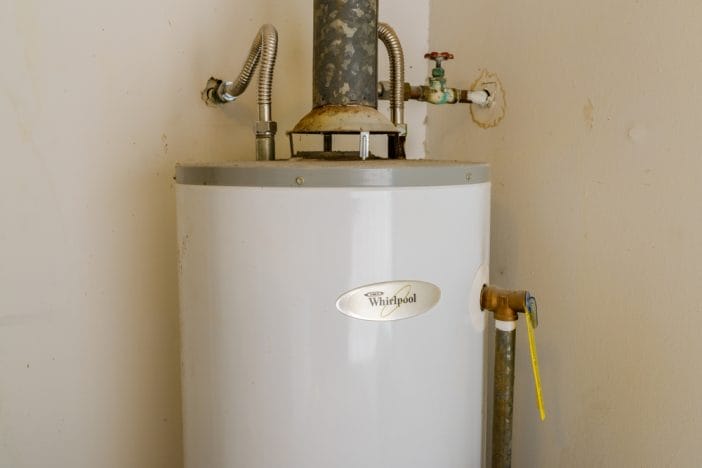
Early one morning, you turn on the shower for a nice, relaxing hot bath, and instead of the comforting warmth, you’re greeted with lukewarm frustration. Or maybe your energy bills have sneaked upward like tiny villains in your utility meter. The culprit might not be your water usage or the local energy company—it could very well be hard water wreaking silent havoc on your water heater.
Hard water is packed with minerals like calcium and magnesium, and while those minerals might be good for your bones (in moderation), they are absolutely terrible for your hot water system. Here’s how to spot the signs before your water heater stages a full-on rebellion.
1. Lukewarm or Inconsistent Water That Leaves You Shivering
If your water heater suddenly feels like it’s lost its spark, it’s probably battling mineral buildup. Hard water scales coat the heating elements, acting like a thermal blanket that prevents proper heat transfer. That means water doesn’t get as hot as it should, or you might notice wild fluctuations between scalding bursts and disappointing chills.
You could try cranking the thermostat higher, but beware—forcing a hard-working water heater to overcompensate can shorten its life dramatically. If you notice your morning showers feeling more like a lukewarm endurance test than a soothing ritual, your water heater is probably waving a white flag.
2. Strange Noises That Make You Wonder if Your Water Heater Is Alive
Ever hear banging, popping, or rumbling from your water heater? No, it’s not haunted, and it’s not auditioning for a heavy metal band—it’s likely hard water buildup at work. As minerals settle and harden at the bottom of the tank, they trap water underneath, which boils and pops like a mini-geyser every time the heater kicks on.
Eventually, this can wear down the tank and reduce efficiency. A quiet water heater is a happy water heater. So, if your appliance has started producing a soundtrack worthy of a thriller movie, it’s time to investigate mineral scaling before things get dramatic.
3. Discolored or Murky Water That’s a Visual Red Flag
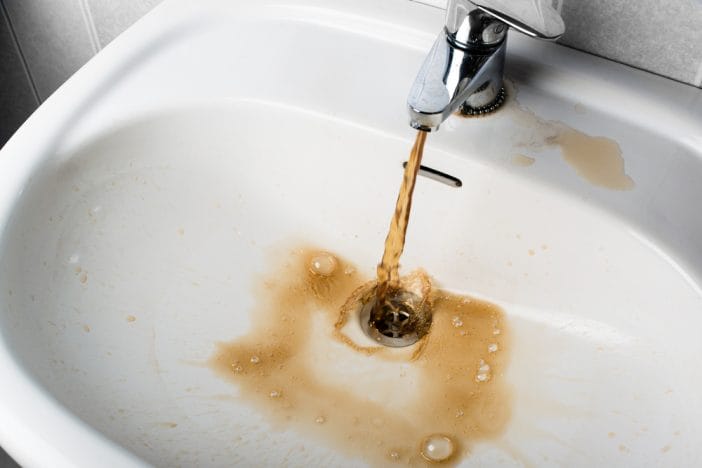
Clean water should look, well, clean. If your hot water has started showing a slight yellow, brown, or even rusty tint, hard water could be to blame. Mineral deposits and scale can flake off inside the tank and sneak into your pipes, affecting the color—and sometimes the smell—of your water.
While a quick flush might temporarily help, recurring discoloration usually signals serious internal buildup that needs professional attention. Plus, nobody wants to do dishes in murky water, so think of it as both a health alert and a lifestyle quality warning.
4. Slower Than Usual Hot Water Recovery
Hard water acts like a stubborn traffic jam inside your water heater. Scale buildup coats the heating elements, reducing heat transfer and slowing down the time it takes to heat a fresh batch of water. If you notice your tank takes longer to refill with hot water or struggles to keep up with your family’s demands, that’s a classic warning sign.
Ignoring it doesn’t make it go away. In fact, forcing the heater to work harder just accelerates wear and tear. Regular maintenance, like flushing the tank and using water softeners, can help restore efficiency and keep those hot showers coming without the endless waiting game.
5. Rising Energy Bills That Feel Mysterious
Ever look at your energy bill and feel like your water heater is secretly on a high-tech vacation? Hard water buildup makes your heater less efficient, meaning it needs more energy to heat the same amount of water. Over time, this inefficiency quietly inflates your bills while your heater groans under mineral weight.
Paying attention to sudden spikes in energy costs, especially during periods of normal usage, can clue you into a hidden hard water problem. If the price is going up, something suspicious may be going down.
6. Premature Age Signs and Frequent Repairs
A well-maintained water heater typically lasts 8–12 years for tank-style units, but hard water can shorten that lifespan drastically. Frequent leaks, unexpected repairs, or a sudden drop in performance are all signs that the tank is struggling.
If you notice corrosion or your plumber keeps making repeated visits, don’t chalk it up to bad luck—scale buildup could be silently destroying your heater from the inside. Regular inspections, flushing, and installing a water softener can prevent premature breakdowns, saving both money and future headaches.
Keeping Your Water Heater Happy and Hard Water at Bay
Here’s the deal: hard water may be unavoidable, but you don’t have to let it bully your water heater into early retirement. Flushing your tank at least once a year, installing a water softener, and scheduling regular maintenance checks are practical steps that protect efficiency and extend the lifespan of your appliance.
Have you ever noticed your water heater struggling with these signs? Or maybe you’ve battled hard water firsthand—what tricks or fixes worked for you? Share your experiences in the comments below.
You May Also Like…
6 Signs Your Water Heater Is About to Fail from Cold Ground Water
How to Select the Right Size Heat Pump, Water Heater, or Furnace for Your Home
The “Frozen Pipe” Mistake Homeowners Make During Temperature Swings
6 Innocent Water Leaks That Cost Men Thousands in Repairs
Inside the Numbers: Automotive Repair Market Growth and Scrap Metal Value
