
6 Signs Your Water Heater Is About to Fail from Cold Ground Water
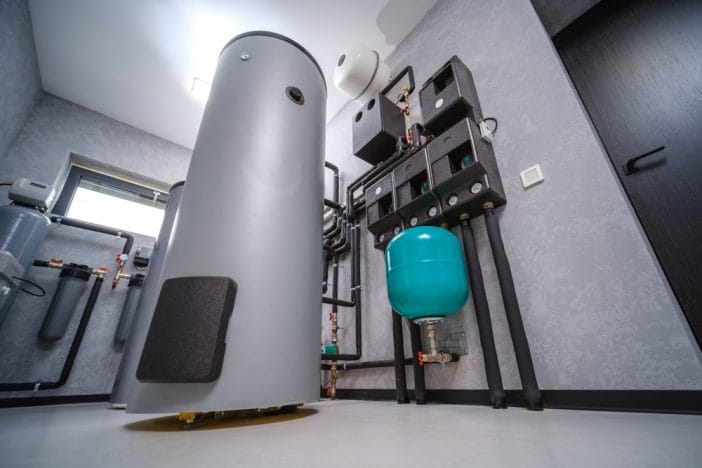
Water heaters are often the unsung heroes of our homes. They work quietly behind the walls or in the basement, ensuring that when you crave a hot shower after a long day, it’s steaming and comforting. But here’s the catch: if your water heater is dealing with cold ground water—especially in winter months—it’s under more stress than most homeowners realize.
Cold water entering your tank forces it to work harder, consume more energy and can accelerate wear and tear. This will eventually lead to failure. If you know what signs to look for, you can prevent an unexpected cold-water catastrophe and even extend your heater’s lifespan.
1. Lukewarm Showers That Leave You Shivering
If you step into the shower expecting a warm embrace and instead are met with a lukewarm drizzle, it’s your first major clue. Cold ground water entering the system requires the heater to work overtime. If the heater can’t keep up, your shower turns into a lukewarm guessing game. Pay attention to whether this happens consistently or only during certain times of day.
This isn’t just annoying—it’s a warning sign that the heating element or thermostat may be failing under the pressure of constantly warming frigid water. Consider checking your thermostat settings and tracking how long it takes for water to heat. Any irregularity is a red flag.

2. Strange Noises from Your Heater
Water heaters aren’t exactly known for whispering sweet nothings, but if yours has started singing the sounds of a rock concert, it’s time to take notice. Popping, rumbling, or gurgling noises often indicate sediment build-up inside the tank. Cold groundwater tends to carry more minerals, which settle at the bottom and make the tank work harder, creating those familiar metallic pops.
Left unchecked, sediment can corrode the tank from the inside, damage the heating elements, and drastically reduce efficiency. Flushing your water heater annually can prevent this, but if the noise persists, it might be signaling that your heater is nearing the end of its life.
3. Longer Wait Times for Hot Water
One subtle but telling symptom is the patience test. If you find yourself waiting an extra few minutes for hot water to finally arrive at the tap, it’s a sign your water heater is struggling with the incoming cold water. Water has a high specific heat, and when your heater is forced to process extremely cold water, it has to work longer to hit the set temperature.
This extra strain can reduce overall performance, increase energy bills, and hint that your unit is aging faster than you’d like.
4. Rusty Water or Discolored Pipes
Water that comes out looking like a sunrise in reverse—reddish, brown, or murky—is not just unsightly, it’s a warning. This discoloration often points to corrosion inside the tank, especially when the anode rod is depleted.
Cold groundwater can accelerate this corrosion process by forcing the metal tank to expand and contract more than usual, wearing down protective coatings. Regular inspections and replacing the anode rod every few years can help. But if the water has already started to look rusty, it’s likely your heater is in serious trouble.
5. Unexplained Leaks Around the Tank
Nothing sets off alarm bells faster than a puddle forming around your water heater. Water heater leaks can be caused by corroded tanks, worn-out seals, or failing valves. Even small drips should never be ignored, because over time they can cause water damage to your home, mold growth, and a hefty repair bill.
Keep a close eye on the area around your heater, and if you spot moisture, call a licensed plumber immediately. Small leaks are often the first visible signs that the end might be near for your water heater.
6. Rapidly Rising Energy Bills
Here’s a clue you might not immediately connect to your water heater: your energy bill suddenly spikes. Cold groundwater entering the system requires more energy to heat, especially if the heater is older or sediment-clogged.
If your household’s hot water usage hasn’t increased, but the electricity or gas bill has, it’s a clear sign that your heater is working overtime. Ignoring this can lead to a total breakdown, forcing you to replace the unit under emergency conditions.
Spot the Signs Before Disaster Strikes
Your water heater is tucked away and quietly humming along. But when it’s forced to handle cold groundwater constantly, it’s under a level of stress that demands attention. By paying attention, you can catch problems early and save yourself from a sudden icy shock.
Have you ever had a water heater surprise you with a cold shower? Share your experiences and tips in the comments below.
You May Also Like…
How to Sidestep High Utility Bills This Winter When Prices Are Going Up
8 Signs Your Furnace Heat Exchanger Is Cracked and Venting Gas
7 Things Nearly Everyone Gets Wrong When Heating Their Home
