
6 Signs Your Septic Tank Is Freezing
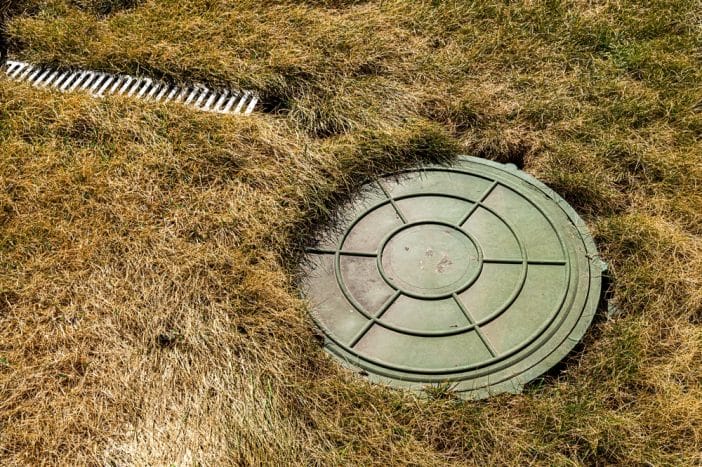
Winter does not politely inconvenience your septic system. It challenges it head-on, and if your tank starts to freeze, you will feel the consequences quickly and unpleasantly. A frozen septic tank does more than slow things down; it disrupts your entire household routine, threatens your plumbing, and can saddle you with repair bills that make your heating costs look modest.
When temperatures plunge for extended periods, your septic system needs attention and awareness, not blind faith. If you know the warning signs, you can act fast and limit the damage before a bad situation escalates.
1. When the Drains Slow to a Crawl and Refuse to Recover
Your first red flag often appears inside your home rather than out in the yard. When sinks, showers, and tubs begin to drain slowly across multiple fixtures, your septic system may struggle with ice restricting flow somewhere between the house and the tank or inside the tank itself. A single slow drain usually points to a localized clog, but when everything drags at once, the problem likely sits deeper in the system.
Cold weather can freeze wastewater in pipes that lack adequate insulation or burial depth. Once ice narrows the pipe’s interior, wastewater moves sluggishly and backs up more easily. You might notice gurgling sounds as air struggles to move through partially blocked lines, and toilets may flush weakly or fill higher than normal before draining.
2. Toilets and Drains Start Backing Up Without Warning
When wastewater rises into tubs, floor drains, or toilets, your septic system has moved from struggling to failing. Ice may block the pipe that carries effluent from your home to the tank, or freezing may restrict the outlet pipe that allows treated wastewater to move to the drain field. Either way, the system cannot push water forward, so it sends it back.
A frozen septic tank can also prevent proper separation of solids and liquids. When that process stalls, wastewater levels rise faster than usual. If you flush and see water creep upward instead of disappearing, treat that as a serious warning sign.
At this point, stop using water as much as possible. Shut off appliances that rely on water, and keep family members informed so they do not unknowingly worsen the issue. Do not attempt to thaw pipes with open flames or makeshift heating devices. Septic systems produce methane gas, and you do not want to combine that with fire. A professional can evaluate whether ice blocks the inlet, outlet, or tank itself and apply safe thawing methods.
3. A Foul Odor Lingers Where It Shouldn’t
Your septic system should operate quietly and discreetly. When you begin to notice sewage odors indoors or near the tank area outside, freezing may interfere with normal venting and flow. Ice can trap wastewater in pipes or the tank, causing gases to build and escape through unintended pathways.
Inside the house, you might smell something unpleasant near drains, especially in lower-level bathrooms. Outside, you could detect stronger odors around the septic tank or drain field area. These smells often intensify as wastewater accumulates and stagnates behind an ice blockage.
Cold temperatures alone do not create odor; trapped sewage does. If you detect persistent smells, do not mask them with air fresheners and move on. Investigate immediately.
4. The Ground Above the Tank Stays Frozen and Snow-Free
Snow acts as insulation. When a healthy septic system releases relatively warm wastewater into the tank and lines, it can melt snow slightly above the system. However, if the tank freezes solid or stops receiving flow due to frozen pipes, you may notice the opposite: hard, deeply frozen ground and snow that remains undisturbed above the tank and lines.
This sign requires a bit of observation. If you compare areas of your yard and find that the septic location looks unusually rigid and icy, you may have a problem. Prolonged extreme cold without adequate snow cover increases the risk, especially in systems buried too shallow or recently installed without established grass cover.
5. You Pumped the Tank Recently and Problems Followed
A freshly pumped tank may seem like a good thing, but winter timing matters. When a septic professional removes accumulated solids and liquids, the tank loses some of the thermal mass that helps it resist freezing. An emptier tank contains less warm wastewater, so it cools more quickly during extreme cold.
If you scheduled pumping just before a deep freeze and shortly afterward, you notice slow drains or backups, freezing could explain the timing. That does not mean pumping causes freezing on its own; rather, reduced volume combined with severe temperatures increases vulnerability.
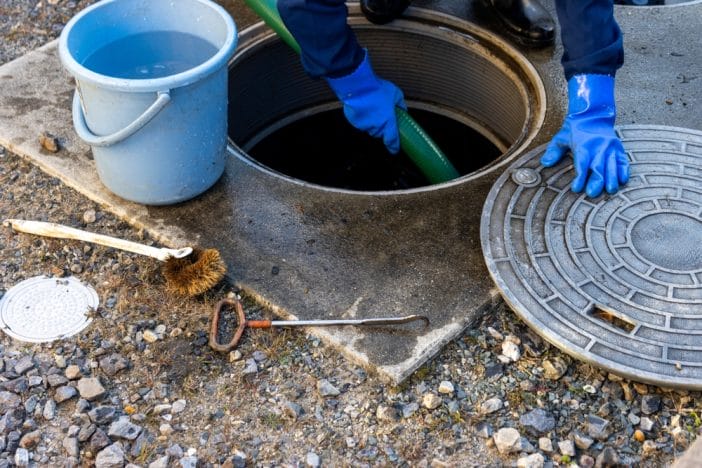
6. Your Drain Field Acts Saturated or Icy
The drain field plays a critical role in dispersing treated wastewater into the soil. If the soil freezes deeply, effluent cannot percolate properly. When that happens, wastewater may pool in the tank or push back toward the house.
You might observe unusually wet patches during brief thaws, or conversely, you might see a hard, icy crust that refuses to soften even when temperatures rise slightly. Poor drainage, compacted soil, or vehicles driven over the drain field increase the risk of freezing and system stress.
Before Ice Wins: Protecting Your Septic System in Deep Winter
A frozen septic tank does not announce itself politely; it disrupts daily life and demands immediate attention. Slow drains, backups, foul odors, frozen ground above the tank, trouble after pumping, and drain field irregularities all point toward the same cold-weather threat. Recognize these signs early and respond decisively.
You can reduce the risk by conserving water during extreme cold, fixing leaks promptly, insulating exposed pipes, and maintaining vegetative cover over your septic components. Avoid compacting the soil with heavy vehicles, and leave snow in place to insulate the ground. If you suspect freezing, resist the urge to experiment with heaters or chemicals. Professional septic technicians have the tools and knowledge to thaw systems safely and prevent further damage.
Have you ever dealt with a frozen septic system, or do you have a winter maintenance strategy that keeps everything flowing smoothly? Share your experience in the comments.
You May Also Like…
Maximizing Lifespan: Propane, Septic Systems, and Furnaces Explained
9 Times You Should Have Your Septic Tank Inspected
6 Toilet Papers Plumbers Say Are the Worst for Your Pipes
