
6 Secret Things Your Plumber Judges You For When Fixing Your Bathroom
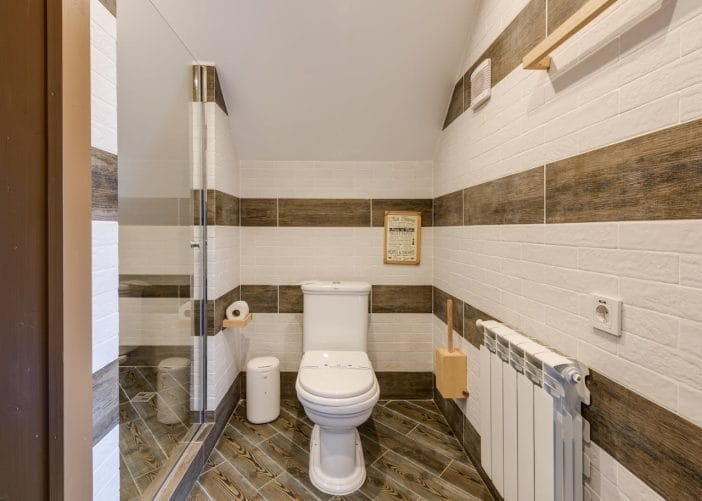
What does a plumber notice within the first thirty seconds of stepping into a bathroom? More than most people would ever guess. Every drip, every stain, every strange smell tells a story, and none of it stays hidden for long. A trained eye scans the space like a detective at a crime scene, picking up clues that point straight to habits, shortcuts, and long-ignored problems.
That quick mental checklist does not come from curiosity alone. It comes from years of experience dealing with the same preventable issues over and over again. Some of those problems cost a few extra minutes to fix, while others turn into expensive repairs that could have been avoided with basic care.
1. The “Everything Goes Down the Drain” Mentality
A drain handles water, soap, and the occasional bit of debris, but it does not function as a catch-all disposal system. Plumbers immediately notice when a sink or shower drain struggles to keep up, and that sluggish flow often points to a buildup of hair, grease, and products that should never have gone down in the first place. Items like wipes, cotton swabs, and paper towels create stubborn clogs because they do not break down like toilet paper. Even products labeled as flushable can stick around longer than expected and cause serious blockages.
Over time, that buildup forms a dense mass inside the pipes, restricting water flow and increasing pressure. That pressure can lead to leaks or even pipe damage if it continues unchecked. A plumber can clear the blockage, but the pattern often reveals itself quickly, especially when the same issue returns again and again. Keeping a small trash bin nearby and using drain covers can dramatically reduce the risk of clogs.
A little prevention goes a long way here. Regularly cleaning out visible debris and avoiding grease or heavy products in the sink can keep pipes clear and efficient. Enzyme-based cleaners can also help break down organic material without damaging plumbing systems. Simple habits like these save money and reduce the need for emergency repairs.
2. That Funky Smell Nobody Talks About
A bathroom can look spotless and still send up a major red flag through smell alone. Plumbers pick up on odors immediately, and those smells often point to deeper issues hiding beneath the surface. A musty or sewage-like scent can signal problems with the drain trap, venting system, or even hidden leaks. Ignoring those smells allows the issue to grow more serious over time.
The P-trap, which holds a small amount of water to block sewer gases, plays a crucial role in keeping odors out. If that trap dries out or becomes clogged, unpleasant smells can enter the room. Poor ventilation can also trap moisture, creating an environment where mold and mildew thrive. A plumber can identify the source quickly, but prevention starts with regular use and proper airflow.
Keeping drains flushed with water and ensuring proper ventilation can make a noticeable difference. Running a fan during and after showers helps reduce moisture buildup. Occasional cleaning with safe, non-corrosive products keeps pipes fresh and functional. Addressing smells early prevents bigger problems and keeps the bathroom comfortable.
3. The DIY Fix That Made Things Worse
Creative problem-solving can feel satisfying, but plumbing often punishes guesswork. Plumbers can spot a makeshift repair almost instantly, whether it involves mismatched parts, excessive sealant, or unconventional tools. These quick fixes might hold temporarily, but they rarely solve the underlying issue. In many cases, they make the eventual repair more complicated and expensive.
Improper installations can disrupt water pressure, create leaks, or damage fixtures. For example, overtightening connections can crack fittings, while using the wrong type of pipe can lead to corrosion or failure. A plumber often needs extra time to undo these fixes before addressing the real problem. That added time translates directly into higher costs.
Knowing when to call a professional can save both time and money. Small tasks like replacing a showerhead or unclogging a minor blockage can work as DIY projects, but anything involving pipes, valves, or water lines requires caution. Investing in proper repairs ensures long-term reliability and prevents repeat issues.
4. Water Pressure: Too Much, Too Little, Just Wrong
Water pressure reveals a lot about a plumbing system. Plumbers notice immediately when pressure runs too high or too low, and both extremes create problems. High pressure can strain pipes, damage fixtures, and increase the risk of leaks. Low pressure often points to blockages, leaks, or issues with the water supply.
Consistent pressure matters more than most people realize. Fluctuations can signal hidden problems that require attention. A sudden drop might indicate a leak, while a spike could suggest a failing pressure regulator. Ignoring these signs can lead to more serious damage over time.
Installing a pressure regulator and monitoring water flow can help maintain balance. Regular inspections can catch issues early before they escalate. Maintaining proper pressure not only protects the plumbing system but also improves overall performance and efficiency.
5. Grime, Grout, and the Things Nobody Wants to Scrub
Cleanliness matters more than aesthetics when it comes to plumbing. Grime buildup around fixtures, grout lines, and seals can lead to long-term damage if left unchecked. Plumbers notice these details because they often indicate neglect that extends beyond surface cleaning. Mold, mildew, and mineral deposits can weaken materials and create hidden issues.
Grout and caulking play a key role in keeping water where it belongs. When these materials crack or deteriorate, water can seep into walls or floors, leading to structural damage. A plumber may not fix cosmetic issues, but those issues often connect to bigger problems that require attention. Keeping these areas clean and intact protects the entire bathroom.
Regular cleaning with appropriate products can prevent buildup and extend the life of fixtures. Resealing grout and replacing worn caulking can stop water damage before it starts. These small maintenance tasks can save significant repair costs down the line.

6. Ignoring Small Leaks Like They Don’t Matter
A slow drip might seem harmless, but it signals a problem that will not fix itself. Plumbers often spot leaks that have gone unnoticed or ignored for far too long. Even a minor leak can waste a significant amount of water over time and increase utility bills. More importantly, it can lead to damage in surrounding areas.
Leaks can originate from worn seals, loose connections, or damaged pipes. Left unchecked, they can cause mold growth, rot, and structural issues. A plumber can fix the source, but the extent of the damage often depends on how long the leak persisted. Addressing leaks early keeps repairs simple and affordable.
Checking under sinks, around toilets, and near fixtures can help catch leaks early. Replacing worn components and tightening connections can prevent future issues. Staying proactive with maintenance keeps the plumbing system in good condition and avoids unnecessary expenses.
What Your Bathroom Says Before You Say Anything
A bathroom tells its story long before any tools come out. Every detail, from water flow to cleanliness, reveals habits and maintenance choices that shape the overall condition of the space. Plumbers do not need long to assess what works and what needs attention, and that insight can help prevent costly mistakes.
What habits have made the biggest difference in keeping your bathroom running smoothly, or what lessons came from a plumbing mishap? Let’s hear your thoughts, tips, or stories in the comments.
You May Also Like…?
6 Toilet Papers Plumbers Say Are the Worst for Your Pipes
Plumbers Warn: This Is The Worst Thing You Can Do To Your Dishwasher
10 DIY Plumbing Repairs That Flood Homes Instantly
Doctors Are Warning Men Over 50 About This Silent Symptom That Shows Up in the Bathroom First
