
6 Home Repairs That Turn Into Lawsuits After You Sell the House
The sale is done, the boxes are unpacked, and you’re finally relaxing in your new place when the phone rings. It’s not a friendly catch-up call. It’s a demand letter. Few things deflate that post-sale glow faster than learning a “simple fix” from years ago is now a full-blown legal mess.
Home repair lawsuits are surprisingly common, often fueled by good intentions, rushed timelines, or a misunderstanding of disclosure rules. Let’s dive into the repairs that most often trigger courtroom drama—and how they turn ordinary sellers into unwilling legal scholars.
1. Unpermitted Renovations That Look Too Good To Be True
Adding a bathroom, finishing a basement, or converting a garage can boost daily comfort and resale appeal. Trouble starts when those upgrades happen without the required permits or inspections. Buyers may discover the issue when applying for insurance, pulling city records, or starting their own remodel. If the work violates building codes, municipalities can demand expensive corrections or removal. Sellers can face claims for misrepresentation if they failed to disclose the lack of permits. Even if the work looks flawless, paperwork matters, and courts tend to side with buyers when disclosures are incomplete.
2. Roof Repairs That Hide Bigger Problems
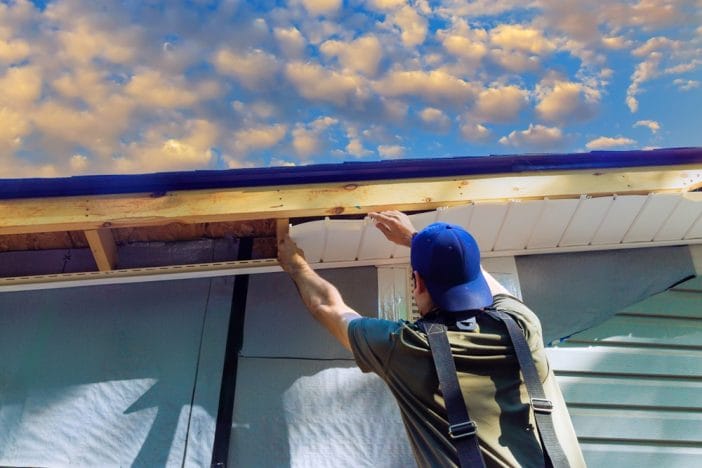
A patched roof can look reassuring from the curb, especially with new shingles gleaming in the sun. But surface fixes sometimes mask deeper issues like rotted decking, improper flashing, or ongoing leaks. When water stains appear months after closing, buyers often feel misled. Roof issues are a frequent source of lawsuits because they’re costly and can cause cascading damage to ceilings, insulation, and electrical systems. If a seller knew about recurring leaks or temporary fixes and didn’t disclose them, liability risks climb quickly. Courts often focus on what the seller knew, not just what was visible on move-in day.
3. Plumbing Fixes That Lead To Floods And Fights
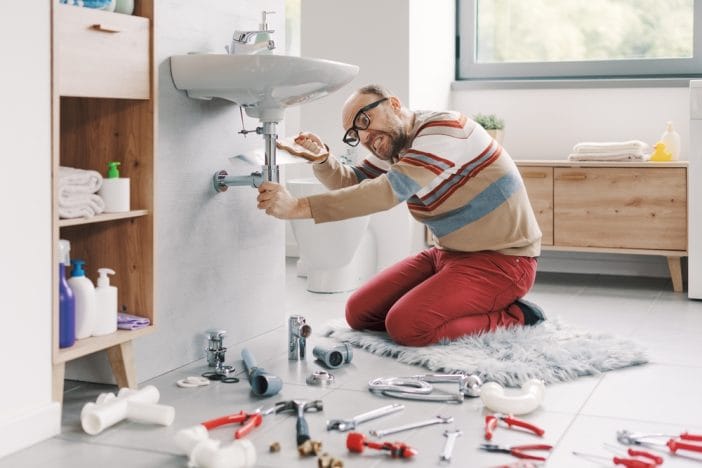
Few repairs inspire as much confidence as a quiet pipe and steady water pressure. Unfortunately, DIY plumbing or quick contractor patches can fail dramatically. Hidden leaks behind walls may take months to reveal themselves, by which time mold and structural damage may already be spreading. Buyers who uncover past plumbing issues often argue the seller minimized or concealed known problems. Even replacing fixtures can cause trouble if improper materials or connections were used. Water damage lawsuits can escalate fast because repairs are disruptive, expensive, and emotionally draining.
4. Electrical Work That Sparks Legal Trouble
Electrical upgrades are common in older homes, especially when modern appliances demand more power. Problems arise when work isn’t performed by licensed professionals or fails to meet code. Faulty wiring can increase fire risk, trip breakers, or damage electronics, all of which buyers notice quickly. If inspections later reveal unsafe conditions, sellers may be accused of hiding hazards. Disclosure laws typically require sellers to reveal known electrical defects, not just visible ones. When safety is involved, judges and juries rarely shrug things off as harmless mistakes.
5. Foundation And Structural Repairs That Set Off Alarms
Cracks in walls, sloping floors, or sticking doors often signal deeper structural concerns. Sellers may attempt cosmetic fixes like patching drywall or leveling a floor to improve appearances. When buyers later learn about prior foundation issues or ongoing movement, trust evaporates. Structural repairs are expensive and intimidating, making them prime candidates for litigation. If a seller previously consulted an engineer or contractor and didn’t disclose those findings, the legal exposure increases. Courts view structural integrity as a core component of a home’s value, not a minor detail.
6. Mold And Water Damage Covered By Cosmetic Touch-Ups
Fresh paint and new flooring can work wonders for first impressions. They can also conceal mold growth or prior water intrusion if used improperly. Mold cases often hinge on whether the seller knew about moisture problems and tried to cover them up. Buyers may discover mold through odors, health symptoms, or professional testing after moving in. Because mold can affect health, lawsuits can involve not just repair costs but medical claims. Even when mold remediation was performed, failing to disclose past issues can still cause legal headaches.
When Repairs Outlive The Sale
Home repairs are part of ownership, but they don’t always stay in the past once the keys change hands. Lawsuits often stem less from the repair itself and more from how openly it was handled. Clear disclosures, proper permits, and professional work can prevent years-old decisions from resurfacing in unpleasant ways.
If you’ve ever faced a repair dilemma before selling—or learned a lesson the hard way—your experience could help others navigate the process with fewer surprises. The comments section below is open for your thoughts and stories.
You May Also Like…
9 Auto Repairs That Cost Triple When Ignored Too Long
Mechanics Say These 3 “Upgrades” Are a Magnet for $1,000 Repairs—Especially in Older Trucks
7 Gun Storage Habits That Are Quietly Illegal in Many Homes
Home Inspectors Alert: This Common DIY Fix Is Now the Fastest Way to Void Your Home Insurance
Looking for Smart Ways to Save on Energy? Adding Insulation Can Help Your Home Use Less Power
