
6 “Friendly” Neighbor Requests That Can Turn Into Legal Nightmares
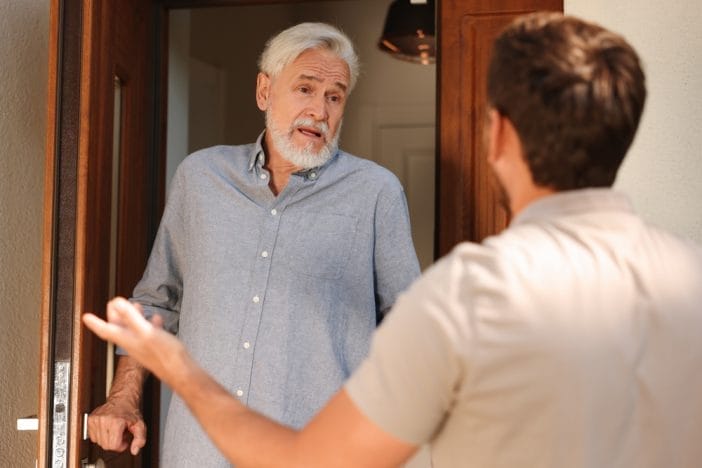
Neighbors can make life colorful, entertaining, and sometimes downright delightful. A shared cup of sugar, an impromptu barbecue invite, or a borrowed lawnmower can spark camaraderie that turns streets into friendly communities. But sometimes, what begins as a tiny favor or “friendly” request can spiral into headaches that could easily land in court. Those smiles and casual asks might hide traps that turn a peaceful neighborhood into a legal minefield, and it pays to know which scenarios might trip you up.
The tricky part is that most people assume that if something feels polite or neighborly, it must be harmless. Unfortunately, reality has a much sharper edge. A small favor might start as a casual handshake agreement but evolve into property damage claims, noise complaints, or even trespassing suits.
1. Lending Your Tools Could Cost More Than You Think
It sounds harmless: a neighbor needs a drill or a ladder for a weekend project, and you hand it over with a smile. But when equipment comes back broken—or worse, missing entirely—you suddenly face a complicated question: who is responsible for the damage? In many states, lending personal property doesn’t automatically come with liability protections. That means if your neighbor accidentally injures themselves using your tool, your homeowners’ insurance could become part of the dispute.
Even if nothing serious happens, replacing damaged or lost items can strain a relationship quickly. Setting clear terms in writing might sound over-the-top, but it can prevent misunderstandings. A quick text confirming the borrowing period, care instructions, and responsibility for damage can save months of frustration. Consider lending items only if you’re willing to absorb potential loss—or better yet, suggest renting equipment from a hardware store. Not only does it reduce risk, but it also keeps friendships intact without creating unexpected financial tension.
2. Gardening Help That Grows Into Property Problems
Everyone loves a neighbor who offers to trim your hedges or mow your lawn when life gets busy. But accepting help with landscaping can create unexpected legal issues. Trees, shrubs, and other plants can straddle property lines, and trimming them incorrectly—or without written permission—can constitute trespassing or cause disputes over damage. Some local laws actually hold homeowners liable if neighbors perform work on your property that results in injury or damage.
Beyond liability, there’s the potential for disagreements over aesthetics and property boundaries. What seems like a kind gesture can quickly lead to resentment if a hedge is cut too short, a flower bed is disturbed, or roots are removed unintentionally. Clear communication about the scope of work, property lines, and acceptable results helps prevent headaches. If a neighbor insists on helping without boundaries, politely suggesting a professional landscaper may avoid drama and protect both parties legally. A little caution goes a long way when greenery is involved.

3. Pet-Sitting Perils That Bite Back
Watching your neighbor’s dog for the weekend seems like an easy favor—but pet care comes with legal and financial responsibilities. If an animal injures someone on your property, damages property, or escapes, the owner could be liable, but you might also face claims depending on local laws. Many jurisdictions consider temporary caregivers responsible for safety during the time they watch the pet, meaning a simple favor could escalate into serious consequences.
Insurance doesn’t always cover pet-sitting incidents, especially if you’re not a professional. To protect yourself, request clear instructions, vaccinations proof, and emergency contacts before agreeing. Even setting limits on walks or play areas might seem excessive, but these precautions prevent legal trouble and ensure the animal stays safe. In some cases, politely declining or redirecting your neighbor to a professional pet sitter can be the wisest choice. Your neighbor will understand when you frame it as concern for safety rather than reluctance.
4. Shared Driveways and Parking Agreements That Stall
Driveway and parking arrangements often feel like casual agreements, but they can become legal nightmares quickly. Parking on shared or neighboring property without clear permission may lead to disputes over property rights, easements, or even trespassing claims. Differences in interpretation can escalate from friendly notes to formal complaints if a vehicle blocks access or causes damage.
Formalizing arrangements in writing—even something as simple as a signed note—can prevent long-term disagreements. Checking with local ordinances regarding shared driveways, access rights, and maintenance responsibilities provides an additional safety net. Neighbors might assume that an informal arrangement is sufficient, but clarity protects everyone involved. The key takeaway: parking isn’t just about convenience—it’s about respect for property rights and avoiding future court battles.
5. Borrowing or Sharing Home Wi-Fi Isn’t Risk-Free
Offering Wi-Fi access to a neighbor might seem harmless, but it can create both technical and legal challenges. Unauthorized use of your network can expose you to privacy risks or even legal claims if the connection is used for illicit activity. Some internet service agreements explicitly prohibit sharing with non-household members, potentially voiding coverage or triggering penalties.
Setting up a guest network with limited access is a safer way to extend connectivity. Passwords should be unique, access times limited, and you should monitor usage for unusual activity. Protecting yourself while maintaining goodwill avoids awkward confrontations if issues arise. The goal isn’t to be stingy—it’s to combine generosity with safeguards that prevent your good intentions from turning into headaches.
6. Lending Your Home for Events Can Trigger Liability
Inviting a neighbor to use your space for a birthday party, meeting, or gathering sounds friendly, but events create liability risks. Injuries, property damage, and noise complaints can all escalate into legal matters. Homeowners’ insurance sometimes covers certain events, but coverage varies widely and may exclude incidents involving non-family members.
Creating simple agreements or checking your policy before hosting events is critical. You can request that the neighbor provide liability coverage if they’re organizing, limiting attendance, or supervising activities closely. Establishing rules up front ensures that fun doesn’t turn into a legal quagmire. When in doubt, suggest professional venues for gatherings—it keeps relationships intact while keeping liability off your shoulders.
When Neighborly Favors Meet Legal Reality
Being a good neighbor often means lending a hand, sharing resources, or helping in small ways—but friendly intentions don’t automatically grant legal immunity. Each of these six situations highlights the fine line between goodwill and liability, showing how clear communication, written agreements, and awareness of local laws can prevent unnecessary stress. Protecting yourself doesn’t mean being unfriendly—it means being smart, proactive, and considerate while maintaining strong relationships.
What’s the most unusual neighbor request you’ve ever had that could have caused legal headaches? Share your stories, tips, or strategies in the comments.
You May Also Like…
Why Legal Guidance Matters When Navigating Complex Financial Challenges
8 Things You Should Never Leave in Your Car Overnight—Even in “Safe” Neighborhoods
Why You Might See More Drones Over Your Neighborhood This Month (And It’s Not for Delivery)
Drivers Are Getting Fined for This Look: The Real Legal Risk of Debadging
