
6 Dangerous Social Trends That Gen Z Thinks Are Normal

Every generation shapes the world in its own unique way, but not every trend deserves to be celebrated. Gen Z, born into the age of social media and endless connectivity, has normalized behaviors that raise more red flags than likes. Many of these patterns blend seamlessly into everyday life, masked by hashtags and viral videos.
Underneath the surface, though, they can damage mental health, distort reality, and erode authentic connection.
1. Romanticizing Hustle Culture
For many young people, working non-stop and chasing side hustles have become badges of honor. Productivity is flaunted online like a shiny trophy, making exhaustion look glamorous. This obsession with constant output often leaves little room for rest, reflection, or genuine human connection. Burnout is normalized instead of addressed, with self-worth tied to how busy someone appears. The cost of always being “on” is a generation teetering on the edge of chronic stress and disillusionment.
2. Oversharing Personal Struggles for Validation
Opening up about mental health has undoubtedly helped break stigma, but Gen Z sometimes turns vulnerability into performance. Social media rewards confessions with likes and comments, encouraging ever-deeper disclosures. Instead of private healing, every heartbreak and panic attack becomes content. This oversharing blurs the line between authentic support and performative pity. The result is that real, offline connections and healthy coping can take a back seat to online validation.
3. Chasing Viral Fame at Any Cost
Short-form video platforms have created a gold rush for instant clout. Many young people believe fame is just one outrageous stunt or controversial opinion away. The hunger for views and followers can push some to cross moral lines or put themselves in harm’s way. Dangerous pranks, reckless challenges, and humiliating moments often win the algorithm’s favor. What feels like fun can quickly spiral into regret, legal trouble, or lasting reputational damage.
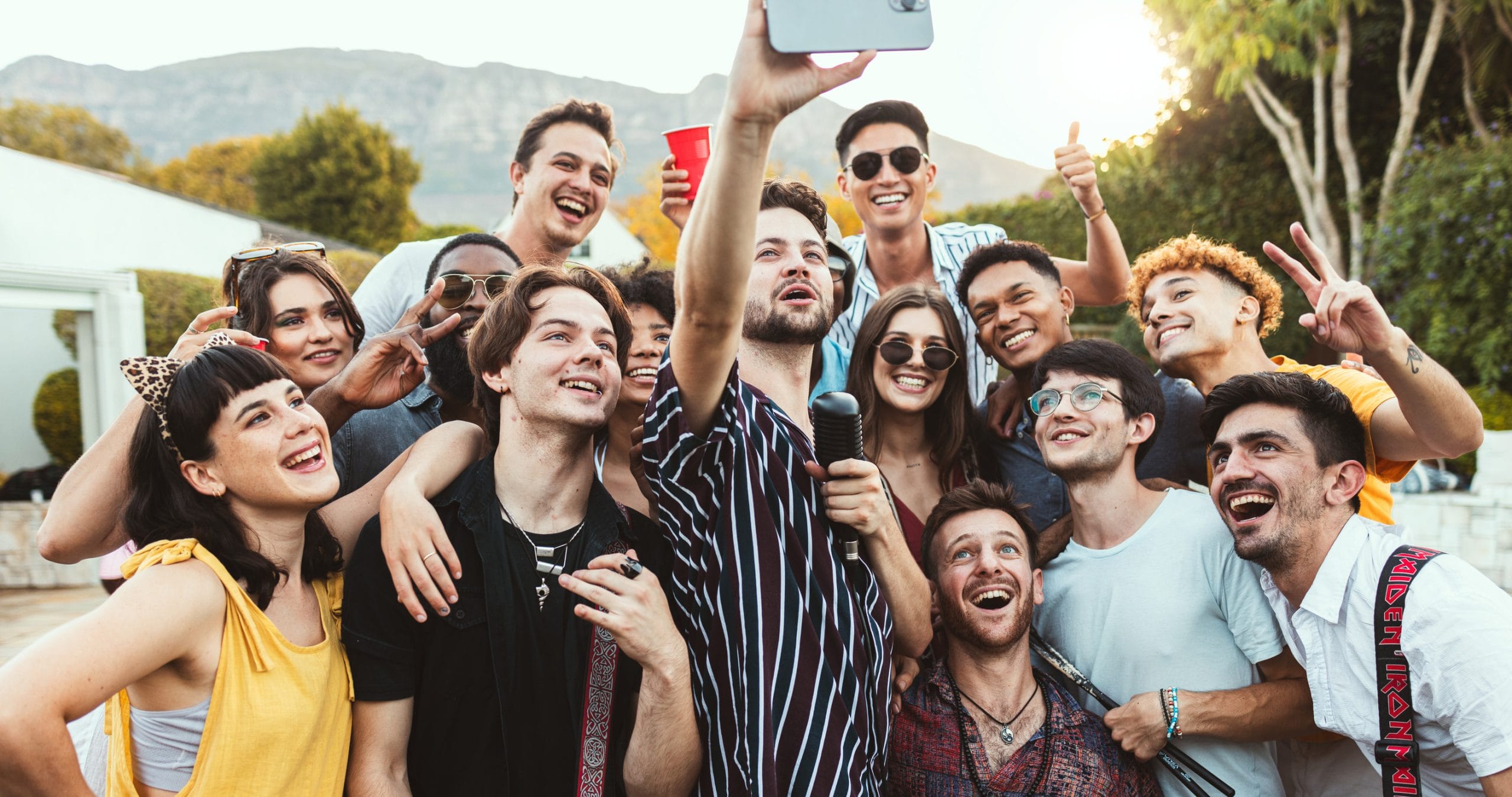
4. Glorifying Toxic Relationships
Toxic love stories have become romanticized across social media and pop culture. Drama-filled breakups, jealousy, and controlling behavior are packaged as passion and intensity. Instead of seeing red flags, many young people interpret them as signs of devotion. Influencers and reality shows amplify these unhealthy dynamics, making them look thrilling instead of damaging. This warped view normalizes behavior that erodes trust and emotional well-being.
5. Normalizing Digital Stalking
In the age of “soft” surveillance, creeping on someone’s online presence is often brushed off as harmless curiosity. Many Gen Zers think nothing of tracking a crush’s every post, like, and comment. Apps and features make it easier than ever to monitor digital footprints without permission. What starts as innocent scrolling can slip into an unhealthy obsession with someone’s private life. The line between genuine interest and invasion of privacy keeps getting blurrier, leaving many to confuse control for connection.
6. Turning Cancel Culture into Entertainment
Holding people accountable is vital, but cancel culture has morphed into a public spectacle. Many in Gen Z see online takedowns as a form of social justice, but the outrage often becomes performative. The mob mentality can ruin lives overnight, sometimes without full context or space for growth. Nuance and forgiveness get lost in a rush for likes and retweets. The danger lies in normalizing a climate where fear silences discussion instead of encouraging real change.
Time to Reflect and Reclaim
Every generation stumbles into questionable habits, but the difference now is that technology amplifies and normalizes them at warp speed. Trends that seem harmless or trendy today can quietly shape values, mental health, and the ways people connect. It is up to everyone to pause, question, and redefine what should be celebrated versus what should be challenged.
Paying closer attention could protect Gen Z from trends that look appealing on the surface but carry hidden costs. What other dangerous social trends deserve more scrutiny? Share your thoughts and join the conversation below.
Read More
12 Outdated Beliefs About Success That Gen Z Is Happily Ignoring
Baby Boomer Men Aren’t The Only Ones Looking For Love (The Silver Ladies Are Too)
