
6 Cars That Look Luxurious But Age Like Lemons
If you’re in the market for a car that looks expensive, it’s tempting to pick something bold, flashy, or full of high-end cues. But what if that “luxury” look begins to unravel within a few years? During my time as a mechanic, I saw plenty of cars people bought under the guise of luxury… only later to find out that they aren’t all that great. Some vehicles have a style that obscures their weak bones, and before long, they age like lemons. Here are six such cars that I wouldn’t buy (and I recommend you don’t either).
1. Cadillac Cimarron

When Cadillac launched the Cimarron in the 1980s, it was intended to attract buyers wanting a small luxury car. But it was essentially a rebadged economy car underneath, and that decision made it age poorly. The styling cues looked upscale on dealer lots, but over time, the cheap underpinnings and badge engineering were exposed. Critics now view it as a classic example of a car that looked premium but couldn’t deliver, making it age like lemons. The Cimarron still gets cited as one of Cadillac’s biggest flops.
2. Mercedes-Benz SL (R230)

The R230 generation of the Mercedes-Benz SL wowed with sweeping curves, retracting hardtops, and a strong badge appeal. But as years pass, the complexity of its mechanical systems (roof, hydraulics, electronics) and weak electrical reliability begin to show. What looked sleek and high-end becomes expensive to maintain and often brittle. Many owners later complain of leaks, sensor failures, or roof issues that turn a glamorous car into a headache. The mismatch between initial luxury and long-term durability is a prime case of aging like lemons.
3. Audi Q7 V12 TDI

Audi’s Q7 V12 TDI boasted prestige, torque, and a powerful diesel heart. To the eye, it projected strength and luxury with quad exhausts, bold grill work, and an imposing stance. But years on, the maintenance costs, emissions issues, and complexity of that diesel V12 make it a poor long-term bet. What started as a head-turner turns into a lion’s share of repair bills and declining parts availability. It’s a textbook case where aesthetic promise fails to match long-term practicality, so it ages like lemons.
4. Ford Mustang S197

When the S197 Mustang (mid-2000s era) appeared, it seemed a return to muscle car roots with retro styling echoes. That nostalgic design was a crowd pleaser at first glance. But as years pass, the styling begins to feel kitschy, and trim elements show their cheap side. Interior plastics, panel gaps, and aging lights reveal compromises not obvious at first. The result: a car that looked bold and classic but aged poorly.
5. Chrysler Crossfire
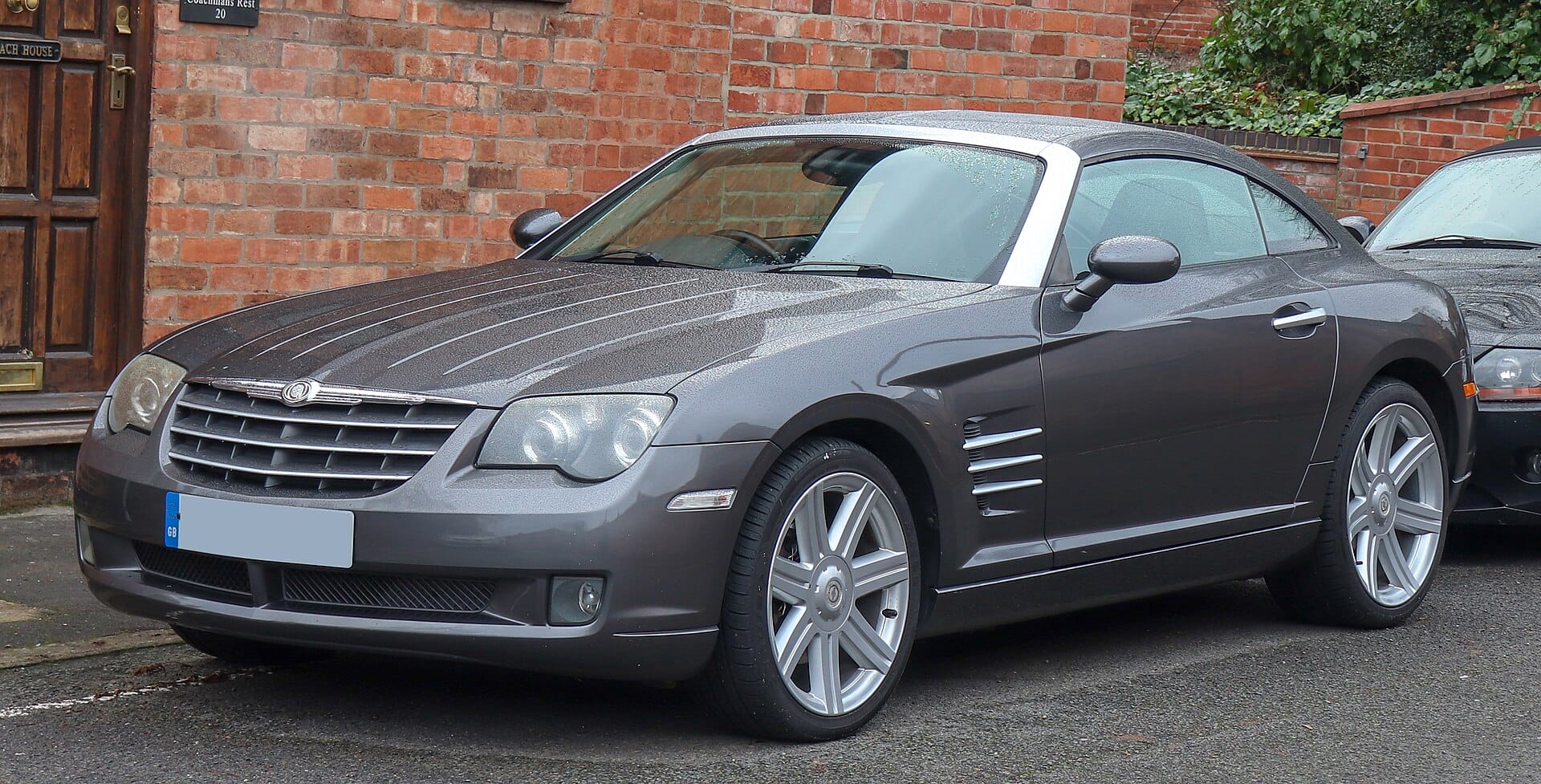
The Crossfire, a collaboration between Chrysler and Mercedes, offered striking styling, fastback lines, bold rear fins, and aggressive front fascia. It attracted eyes when new, looking like a boutique sports luxury car. Over time, however, fit and finish issues erupt: imperfect panels, rattles, aging plastics, and weak parts support. The bold style can’t mask those faults, and many owners later speak of unexpected maintenance needs. That contrast (alluring exterior, disappointing longevity) is a key symptom when a car seems to age like lemons.
6. Pontiac Aztek
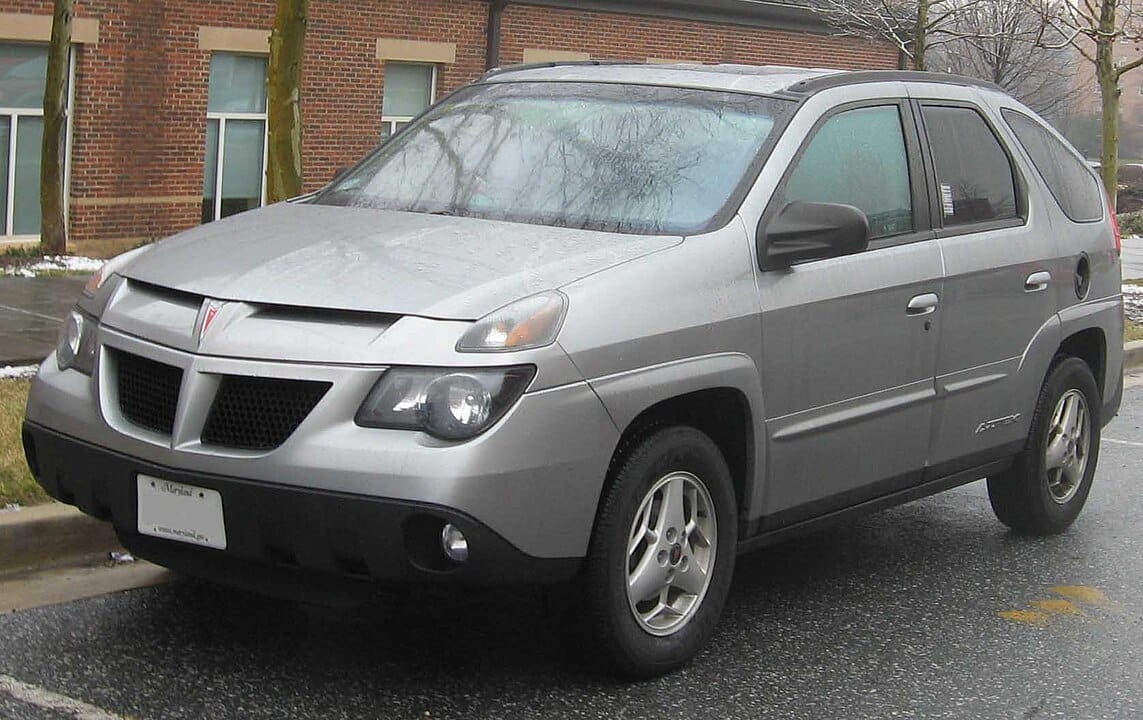
The Pontiac Aztek may not feel luxurious in the conventional sense, but its bold and unusual styling once passed as edgy. But if you want a car whose age shows unabashedly, the Aztek is legendary. Its extreme proportions, odd plastics, and aggressive shapes that once looked “ahead of the curve” have not aged well at all. Today, it’s often held up as an example of design that not only failed to age gracefully, but became ridiculed. That shift from daring to dated is a hallmark sign that it ages like lemons.
Your Lens for Smarter Picks Moving Forward
In each of these cases, the vehicle starts with strong visual cues or marketing that suggest luxury, but over time, shortcomings in materials, mechanical complexity, parts support, or design exaggeration become glaring. The flashy elements that once drew attention turn into weak spots, whether cracks, fading plastics, electrical faults, or nostalgia gone wrong. Each of these vehicles teaches the same lesson: appearance alone cannot protect against aging. If you want a car that won’t reveal itself as a lemon later, dig deeper than just looks.
Knowing which cars look great but deteriorate mentally prepares you to pick better ones. Focus on brands known for longevity, avoid overcomplex luxury gimmicks, favor strong aftermarket support, and always inspect aging parts in used examples. Watch how materials like plastics, trim, and electronics wear, not just how the paint looks. In short: don’t be dazzled by glam. It is important to assess what’s underneath.
Have you ever owned or considered one of these “flashy but flawed” cars? What’s your experience (or horror story) with a car that looked amazing but aged poorly? Share it below!
What to Read Next
- 7 Cars Mechanics Say Are Overpriced Headaches Disguised as Luxury
- Why Luxury Cars Are Becoming a Red Flag on Dating Apps
- 5 Classic Luxury Cars That Hide Expensive Problems Under the Hood
- The Shady Network Behind “Title Washing” of Wrecked Luxury Cars
- 6 Luxury Brands That Are More Trouble Than They’re Worth
