
6 Beers You Might Rethink Drinking After Seeing the Ingredients
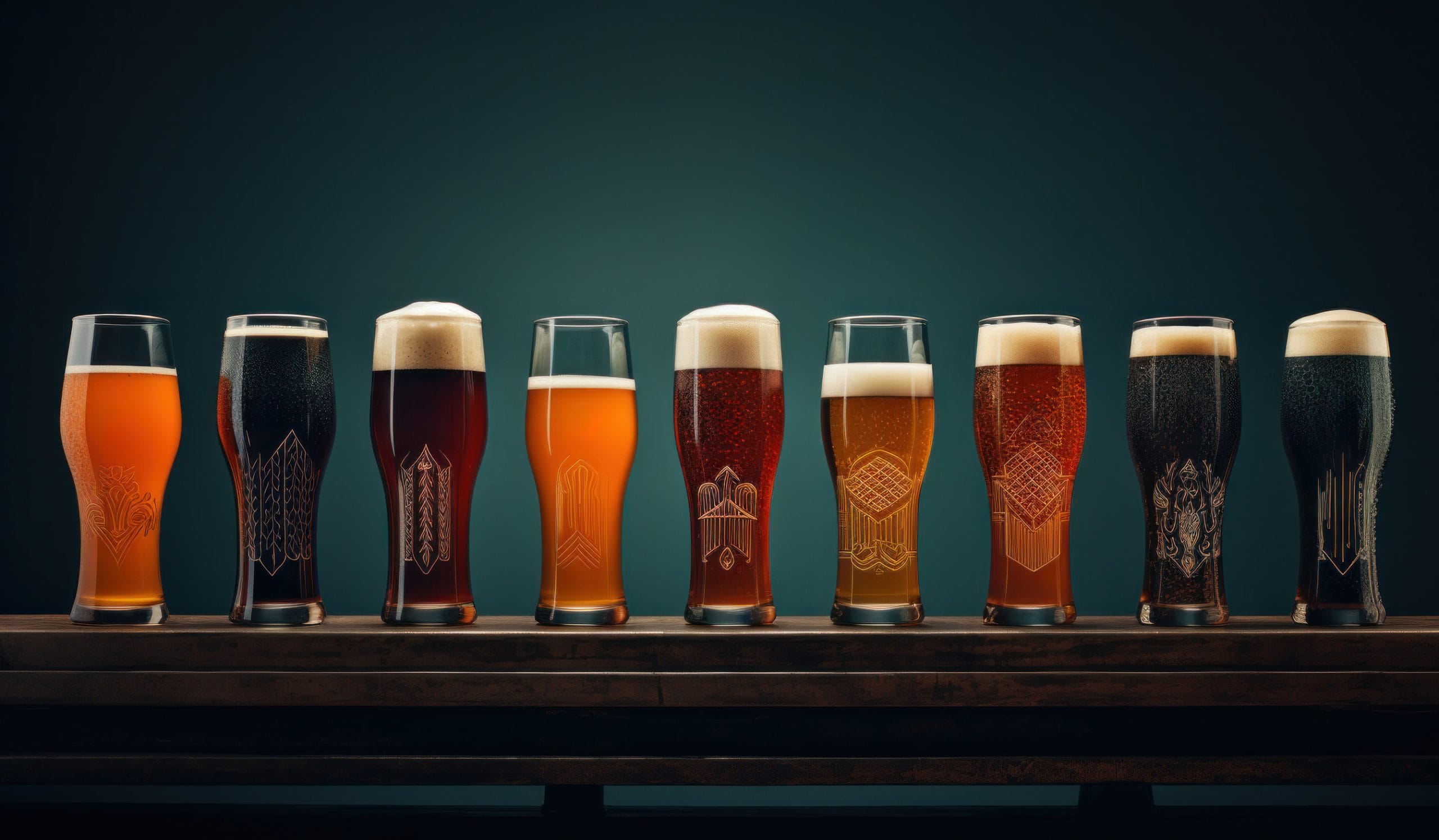
You might love your cold one after a long day—but what’s actually in it might surprise you. Sometimes, beer ingredients can include compounds you’d rather avoid, from artificial additives to hidden pollutants. Understanding what goes into your pint helps you make smarter choices—and maybe even switch to cleaner alternatives. Below are six types of beer you might think twice about after digging into their ingredients.
1. Beers Made With High-Fructose Corn Syrup or Corn Syrup
Some major beer brands use corn syrup or high-fructose corn syrup during brewing—even if the labels don’t make it obvious. It’s used as a cheap fermentable sugar, contributing to calories and potential health concerns. Critics point out that it may lead to inflammation or unwanted metabolic effects, especially when overconsumed. Some breweries have publicly distanced themselves from this ingredient, while others quietly continue to use it. If you’re mindful of sugars or GMO content, these beer ingredients might give you pause.
2. Beers Containing Caramel Coloring with 4-Methylimidazole
Caramel coloring is common in darker beers, but some types may contain a compound called 4-methylimidazole (4-MeI), which has sparked health concerns. While the FDA deems usual levels safe, higher intake—especially over time—has prompted scrutiny. Dark amber beers are more likely to contain this additive compared to lighter brews. For those watching overall additive exposure, it’s worth knowing what goes into that rich hue. Not all beer ingredients are as innocent as they look.
3. Beers That Contain PFAS “Forever Chemicals”
A 2025 study found that beer ingredients can include PFAS—so-called “forever chemicals”—in 95% of tested samples. These persistent pollutants have been linked to cholesterol changes, immune system effects, and other health risks. The likely culprit? Contaminated municipal water and possibly brewing processes. While levels may be low, cumulative exposure through regular consumption could be concerning. Knowing the risk may influence which breweries you support.
4. Beers That Use Artificial Flavors, Stabilizers, and MSG
Some beers—especially cheaper or mass-market brands—may contain artificial flavors, stabilizers, or even MSG (monosodium glutamate). These are used to enhance taste or shelf life, but may cause inflammation or cravings. Stabilizers and flavor enhancers can obscure a beer’s natural profile, too. If you’re trying to avoid ultra-processed foods, these beer ingredients are a red flag. Stickier labels and ingredient transparency help separate craft from chemical.
5. Beers Brewed With Propylene Glycol or EDTA
Ingredients like propylene glycol (found in antifreeze) and calcium disodium EDTA may show up in some beers—typically as foam stabilizers or preservatives. While used in minuscule quantities, these chemical-sounding names are enough to raise eyebrows. The issue often isn’t toxicity but the principle of unexpected, industrial-grade additives in your pint. It can be especially jarring if you’re seeking a purer, more natural brew. These beer ingredients may not be harmful, but they’re undeniably odd.
6. Beers with Unknown “Natural Flavors”
“Natural flavors” is a catch-all label that can hide a range of sources, some far from appetizing. Shockingly, in other food categories, it has infamously included bizarre origins—like compounds sourced from animal secretions. Beer labels usually aren’t specific enough to know, so you could be sipping something unexpected. If you follow a vegetarian or clean-eating lifestyle, that ambiguity matters. Sometimes, the best beer ingredients are the ones you can actually name.
What This Means for Your Next Pour
When it comes to beer ingredients, transparency matters—and not all breweries spill their secrets. Whether you’re health-conscious, ingredient-aware, or just curious, understanding what your beer contains lets you drink with confidence—or choose differently. Next time you’re tempted to pour that golden lager, consider checking labels, brewery websites, or opting for simpler, cleaner alternatives. Your choices can influence better practices across the industry.
Did any of these surprising beer ingredients make you rethink what you drink? Share your thoughts (or better options) in the comments below!
What to Read Next…
10 Overrated Bourbons That Aren’t Worth the Hype
5 Beer Brands Boomers Swear By—But Millennials Won’t Touch
Best Whiskeys Under $30 To Bring To Your Next Gathering
