
5 Things to Check Before Your Car Warranty Expires This Spring
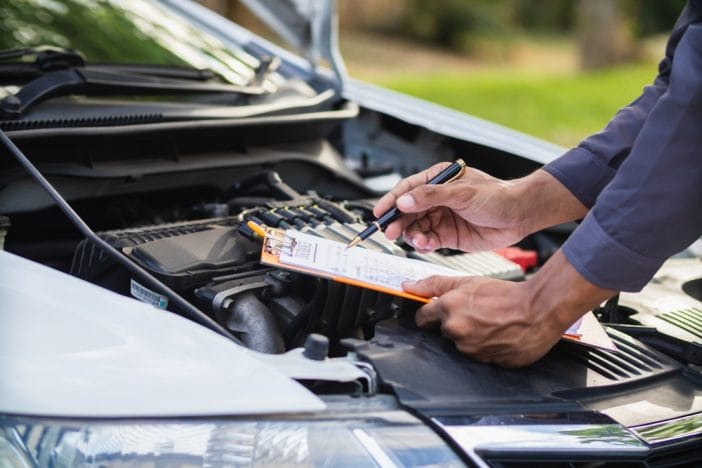
Spring is full of chores and important tasks. But while you’re busy cleaning out closets and swapping winter coats for lighter jackets, there’s one important deadline that doesn’t care about seasonal vibes: your car warranty expiration date.
When a warranty runs out, you go from protected to personally responsible in the blink of an eye, and that can turn a small mechanical issue into a wallet-draining disaster. A little awareness and a few smart checks can save you real money, real stress, and a lot of future frustration.
1. The Warranty Coverage Reality Check
Before anything else, you need to understand what your warranty actually covers, because most people assume it’s more than it really is. Factory warranties are usually split into different categories, like bumper-to-bumper coverage and powertrain coverage, and they don’t always expire at the same time. That means your engine and transmission might still be protected while electronics, sensors, and interior systems are already on their own.
This matters because modern cars rely heavily on tech, and those components can be surprisingly expensive to fix. Pull out your warranty paperwork or digital documents and read the fine print carefully so you know what’s still active and what’s not. If anything is close to expiring, now is the moment to schedule inspections and get potential issues documented while coverage still applies.
2. The Health Check That Actually Matters
Your engine, transmission, and drivetrain are the financial heavyweights of your vehicle, and if something goes wrong after the warranty expires, the cost can feel brutal. A transmission repair can easily reach thousands of dollars, and engine problems don’t exactly come with budget-friendly solutions either.
Before spring gets busy, have a trusted mechanic run a proper inspection on these systems, even if the car feels fine. Small warning signs like hesitation, odd shifting, or unusual noises can point to bigger problems brewing under the surface. If something needs attention, it’s far better to catch it while the warranty is still active than to discover it after you’re fully responsible for the bill.
3. Electronics, Sensors, and the Modern Car Maze
Cars today are basically computers on wheels, and those digital systems aren’t cheap when they fail. Infotainment screens, backup cameras, driver-assist sensors, lane monitoring systems, and adaptive cruise control features all fall into categories that many warranties don’t cover for long.
These parts don’t always fail dramatically either; sometimes they glitch, freeze, or malfunction intermittently, which makes them easy to ignore. That’s a mistake, because small tech problems often grow into bigger failures over time. Test everything: screens, cameras, parking sensors, alerts, and safety systems. If something feels inconsistent or unreliable, get it checked now, not later, and document any issues before your coverage disappears.
4. Suspension, Steering, and Ride Quality Red Flags
Ride quality tells a story, and your car is always communicating if you know how to listen. If your vehicle feels rougher than usual, pulls to one side, clunks over bumps, or feels unstable at highway speeds, your suspension or steering system may be the reason. Shocks, struts, ball joints, tie rods, and control arms all play a role in keeping your car stable and safe, and repairs in these areas can add up quickly.
These components often wear gradually, which makes problems feel “normal” instead of urgent. Before your warranty ends, have the suspension and steering inspected by someone who knows what they’re looking for.
5. Cooling Systems and Climate Control Confidence
Spring weather puts your car’s cooling and climate systems to the test. Failures here can create chain reactions that damage other parts of your vehicle. Radiators, water pumps, thermostats, hoses, and cooling fans all work together to regulate engine temperature, and one weak link can cause overheating.
At the same time, air conditioning systems rely on compressors, refrigerant lines, and electrical components that can fail quietly before collapsing completely. If your car runs hot, struggles to cool the cabin, or smells unusual when the AC is on, don’t ignore it. These systems protect both your comfort and your engine. Repairs can be costly once warranty coverage is gone.

Your Smart-Move Moment Before Coverage Ends
A warranty expiring isn’t a crisis—it’s a countdown. It’s your window to act, inspect, ask questions, and protect yourself from future expenses. Reviewing your warranty coverage and addressing small problems early can save you serious money and stress later.
Treat your warranty expiration like a planning opportunity, not a deadline. Your future self will thank you every time the car starts smoothly and drives without surprises.
What’s the one thing you’re planning to check on your car before your warranty runs out this spring? Make sure to share your automotive plans in the comments below.
You May Also Like…
10 Vintage Cars That Pay Off Big When Restored
10 Electrical Problems That Are Common in Cars Over Five Years Old
State Troopers Say This Everyday Driving Gesture Is Now the #1 Reason Cars Get Pulled Over
Inside the Numbers: Automotive Repair Market Growth and Scrap Metal Value
