
5 Signs Your Deck Has Structural Winter Damage
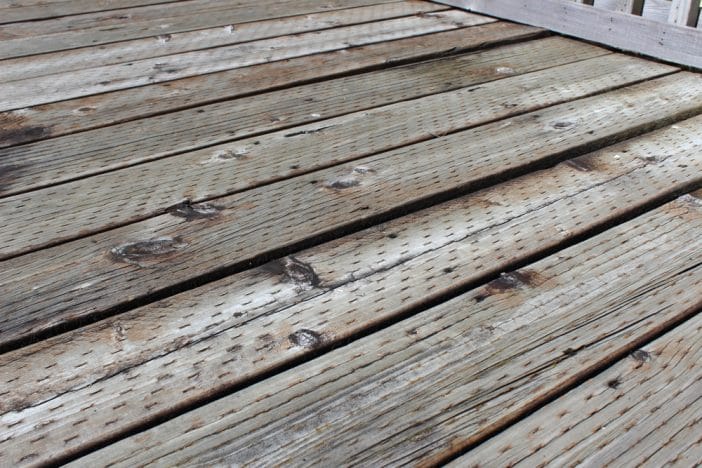
Winter is rough on things that are typically kept outdoors. Your shed might look a little worse for wear, outdoor furniture is sitting under weeks-worth of snow. Structures like your deck may be suffering from the cold too. Freezing temperatures, heavy snow, and cycles of thawing and refreezing can quietly weaken boards, joists, and fasteners. Many homeowners don’t notice the warning signs until spring, when repairs become more expensive and safety becomes a real concern. Here’s a look at five signs that your deck has had structural winter damage.
1. Boards That Feel Soft, Spongy, or Uneven
Soft or spongy boards are one of the clearest indicators of winter deck damage. When moisture seeps into wood and freezes, it expands, breaking down the fibers and weakening the structure. You may notice certain boards sagging under your weight or feeling uneven compared to the rest of the deck. This usually means water has penetrated deep enough to cause rot, which spreads quickly once temperatures rise. If you feel any give under your feet, it’s time to inspect the area before the damage worsens.
2. Cracked or Splitting Wood After Freeze-Thaw Cycles
Cracks and splits often appear after repeated freeze-thaw cycles, making them a common sign that something isn’t quite right. Water trapped inside the wood expands when it freezes, forcing the grain apart and creating visible fractures. These cracks may start small but can grow rapidly as temperatures fluctuate. Once the wood splits, it becomes more vulnerable to moisture, pests, and structural failure. If you see multiple cracks forming across boards or railings, your deck may need reinforcement or replacement sections.
3. Rusted or Loose Fasteners That No Longer Hold Securely
Metal fasteners, like nails, screws, and brackets, are especially vulnerable in the colder months. Moisture and melting snow can cause rust, which weakens the metal and loosens its grip on the wood. When fasteners lose their hold, boards may shift, railings may wobble, and the entire deck can become unstable. You might notice screws popping up or nails lifting slightly above the surface. If the hardware is deteriorating, the structural integrity of the deck is already compromised.
4. Posts or Joists Showing Signs of Rot or Moisture Saturation
The support system beneath your deck is often the first place winter deck damage appears, even if you can’t see it from above. Posts and joists absorb moisture from snow and ice, especially if they sit close to the ground. Over time, this leads to rot, mold, and weakening of the wood that holds the entire structure together. You may notice a musty smell, dark discoloration, or areas that crumble when pressed. When the foundation of your deck is compromised, repairs become urgent, not optional.
5. Railings That Wiggle, Lean, or Shift Under Pressure
Loose railings are more than an annoyance; they’re a major safety hazard. As wood swells and contracts during winter, the joints holding railings in place can loosen. You might notice the railing leaning outward, shifting when touched, or making creaking noises when used for support. This instability often means the connection points have weakened or the wood around them has deteriorated. If your railings no longer feel solid, it’s a sign your deck needs immediate attention.
Why Winter Deck Damage Should Never Be Ignored
Ignoring the early signs of winter deck damage can lead to costly repairs and dangerous situations once warmer weather arrives. What starts as a small crack or loose fastener can quickly escalate into structural failure if left unaddressed. Regular inspections help you catch problems early, especially after harsh winters with heavy snow or ice. A well-maintained deck not only lasts longer but also keeps your family and guests safe. Taking action now ensures your outdoor space is ready for spring without unexpected surprises.
Have you spotted any signs of winter deck damage around your home? Share your experience in the comments and help other homeowners stay ahead of repairs.
What to Read Next
The “Salt” Damage You Can’t See (But Is Rotting Your Brake Lines)
Homeowners Beware: This Ice Dam Loophole Lets Insurers Deny Your Winter Damage Claim
6 Signs Winter Fatigue Is Actually a Vitamin D Deficiency
8 Winter Household Items That Can Cause Dangerous CO Buildup Indoors
