
5 Signs Your Chimney Is a Fire Hazard This Late in the Season
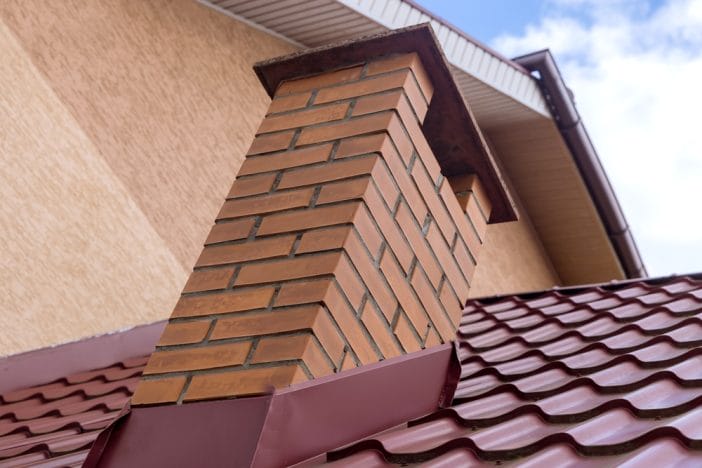
Isn’t there something just lovely and cozy about a late-season fire? The glow is so warm and beautiful, and the outside world feels far away.
But while your living room might feel like a snow-globe fantasy, your chimney could be quietly plotting a much less charming storyline. This is the part of the season when hidden damage, buildup, and neglect tend to catch up with homeowners, and the risks can rise fast without obvious warning signs.
Chimneys don’t usually fail dramatically—they fail subtly, slowly, and silently, until one day they don’t. If you’re still enjoying fires as the season winds down, this is the perfect time to make sure your chimney is working for you, not against you.
1. A Thick Layer of Creosote That’s More Than Just Soot
Creosote isn’t just “dirty chimney dust”—it’s a highly flammable byproduct of burning wood that coats the inside of your flue over time. A light powdery layer is normal, but thick, sticky, tar-like buildup is where real danger begins. This substance ignites easily and is one of the leading causes of chimney fires, which can burn extremely hot and spread quickly into the structure of a home.
Late in the season, creosote buildup tends to peak because the chimney has already been working overtime for months. If your fires smell unusually smoky, burn poorly, or leave heavy residue behind, your chimney may already be sending warning signals. A professional cleaning isn’t just maintenance—it’s fire prevention, plain and simple.
2. Cracks, Gaps, or Damage in the Chimney Structure
Chimneys are built tough, but they’re not indestructible, and time plus heat plus weather is a brutal combination. Small cracks in masonry, missing mortar, or damaged flue liners can allow heat to escape into parts of the home that were never meant to handle it. That heat transfer can ignite nearby framing, insulation, or structural materials without any visible flames in the fireplace itself.
Late-season use can make these issues worse because repeated heating and cooling cycles cause materials to expand and contract, widening existing damage. Even minor-looking cracks can become major safety risks when high temperatures are involved.
3. Smoke That Comes Back Into the House Instead of Going Up
Smoke should move up and out, not linger in your living space like an unwanted guest who missed the hint. Poor draft, blockages, or structural problems can cause smoke to flow backward into your home, which is not only unpleasant but also dangerous. This can mean carbon monoxide isn’t venting properly, and that’s a serious health risk even in small amounts.
Late-season issues often happen because of accumulated debris, creosote buildup, or airflow problems caused by cold air pressure differences. If you’re noticing burning smells, smoky rooms, or irritated eyes and throats, your chimney isn’t doing its job correctly.
4. Animal Nests, Debris, or Blockages Inside the Flue
Chimneys are prime real estate for birds, squirrels, and other animals looking for warmth and shelter. Add falling leaves, broken masonry, and debris from months of use, and you’ve got the perfect recipe for blockages. These obstructions restrict airflow, trap heat, and increase the chance of sparks igniting something they shouldn’t.
A blocked flue can also force smoke and gases back into your home instead of venting safely outside. A simple inspection can catch these problems before they turn your cozy fireplace into a dangerous situation.
5. Strong Odors or Strange Noises Coming From the Chimney
Your chimney shouldn’t smell like chemicals, burnt plastic, or damp ash long after a fire is out. Persistent odors often signal creosote buildup, moisture problems, or trapped debris. Strange sounds—like popping, cracking, or rumbling—can indicate internal damage or blockages that affect airflow and heat movement.
These sensory clues are easy to ignore, but they’re often early warning signs of deeper problems. When your chimney starts “communicating,” it’s worth listening—because it’s usually trying to tell you something important.

The Cozy Truth Nobody Talks About (But Everyone Should Hear)
Fireplaces are romantic, comforting, and timeless, but they’re also powerful systems that deserve real respect. A safe chimney isn’t just about cleaning—it’s about structure, airflow, moisture control, and proper maintenance working together.
Most chimney hazards are preventable with inspections, cleanings, and a little attention to warning signs. A few proactive steps now can mean the difference between peaceful fires and dangerous emergencies later. Cozy should feel safe, not risky—and your home deserves both.
So tell us—when was the last time your chimney had a professional inspection or cleaning? Drop your thoughts and experiences in the comments.
You May Also Like…
Homeowners Beware: This Ice Dam Loophole Lets Insurers Deny Your Winter Damage Claim
10 Red Flags That Can Ruin Your Home Inspection
10 Modern Safety Tools Men Are Adding To Their Everyday Carry
6 Gun Safe Setups That Can Start a House Fire
Fire Marshals Warn: These 7 Garage Items Ignite Faster Than You Can React
