
5 Signs Your Chimney Cap Is Missing
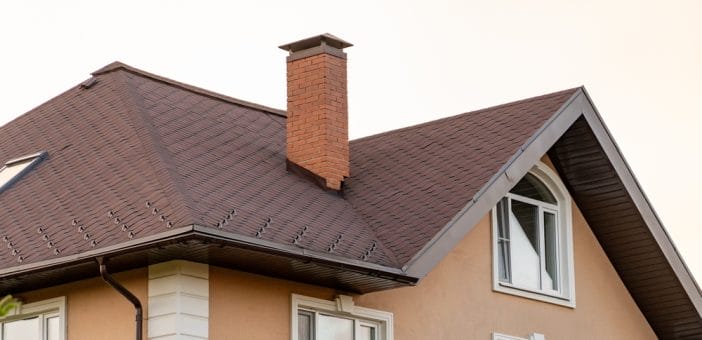
What sits quietly on top of a chimney yet carries a big job in keeping a home safe, dry, and comfortable? A small metal guard called a chimney cap works harder than it looks. When that little protector disappears, trouble often starts walking in through the roof, literally.
Rainwater, birds, leaves, and wind can find a welcome path inside the chimney throat when the cap is missing. Spotting the warning signs early saves money, prevents structural damage, and keeps a fireplace working the way it should.
1. The Sudden Visitor Problem Nobody Invited Inside
Birds and small animals love chimneys that lack caps. Without a protective cover, the chimney becomes a perfect nesting tower, warm, dark, and sheltered from wind. People sometimes hear scratching, chirping, or fluttering noises coming from the fireplace wall, especially during morning hours when wildlife becomes active. Squirrels, starlings, and other creatures climb down open chimneys searching for safe resting spots.
If strange sounds come from the fireplace area, treat it like an early alarm bell. Looking up inside the fireplace opening using a flashlight can reveal feathers, twigs, or nesting material. Never reach inside the chimney by hand because animals sometimes react defensively when startled. Calling a chimney inspection service keeps both the home and wildlife safe.
Missing chimney caps create an entryway for creatures, and once animals settle inside, removing them becomes complicated. Droppings, nesting debris, and odors can build up quickly. Fireplace airflow also weakens when blockages develop. Installing a new cap prevents future animal invasions and helps the chimney breathe correctly. If wildlife starts treating the chimney like an apartment building, the cap likely disappeared somewhere along the roofline.
Homeowners should also watch for movement near the roof peak. Birds circling or landing repeatedly on the chimney top may search for familiar nesting grounds. Prevention works better than eviction, and a simple metal cover saves a great deal of stress later.
2. When Rain Starts Acting Like It Owns the Fireplace
Water entering a chimney creates one of the biggest warning signs that the cap is gone. Rain does not belong inside brick or masonry passages. Moisture sneaking down the chimney wall slowly damages mortar joints and weakens structural strength. People sometimes notice damp spots near the fireplace interior after storms pass.
White or chalky mineral stains forming around the fireplace opening often mean water carried minerals into the masonry. Those stains come from evaporation leaving behind salt deposits. Over time, constant wetting and drying cycles crack bricks and loosen construction materials.
Water damage does not stay quiet. Rust sometimes develops on metal fireplace components. Odors resembling mildew or wet cardboard may appear after heavy rain. Wood framing near the chimney can absorb moisture and weaken without anyone noticing from the outside.
Installing a chimney cap with a mesh screen helps block rain entry while still allowing smoke to escape when the fireplace burns. Professional roofers usually recommend caps made from stainless steel or copper because those materials resist corrosion longer. Homeowners who enjoy fireplace use during winter should check the chimney top after major storms. Climbing onto the roof is not necessary. Looking from ground level using binoculars or hiring a qualified inspector works better and keeps safety risks low.
3. The Mystery Draft That Makes the House Feel Restless
Cold drafts inside the living room can hint that the chimney lost its cap. Air moves freely through open chimneys when wind hits the roof. Instead of smoke exiting smoothly, air sometimes rushes downward. People may feel cool air coming from the fireplace even when the fire is not burning. Curtains near the fireplace may move slightly on windy days. Heating systems may work harder because escaping warm air reduces indoor temperature stability.
Energy bills sometimes rise without obvious explanation when chimney protection disappears. Heat escapes through the chimney shaft like water flowing downhill. Home comfort suffers while the heating equipment works overtime.
Sealing a chimney without airflow is never a good idea. Fireplaces need ventilation when in use. A proper chimney cap acts like a smart doorway guard that lets smoke leave but stops unwanted wind from entering. Adding insulation around the fireplace chase or scheduling a chimney inspection can help restore thermal efficiency. Small fixes early prevent larger heating expenses later. Think of the chimney cap as a hat for the house that keeps weather moods from wandering inside.
4. Falling Debris That Makes the Hearth Look Messy
When leaves, twigs, or small roof debris fall into the fireplace, something may be wrong above. A chimney without a cap becomes a vertical collection bowl for whatever wind carries across the roof. People sometimes discover dirt piles inside the firebox even after the fireplace stayed unused.
Creosote buildup may also increase when debris mixes with smoke residue. Creosote is flammable and can create dangerous chimney fires if allowed to accumulate. Cleaning the chimney becomes harder when foreign material keeps entering from above.
During windy seasons, listening for clattering sounds inside the chimney helps detect falling material. That noise often means something is moving or dropping from the top opening. Ignoring debris buildup creates long-term maintenance headaches.
Regular chimney sweeping removes internal blockages, but installing a cap prevents new debris from arriving. A stainless mesh design allows smoke release while blocking leaves and roof dust. Maintenance costs drop when prevention starts at the chimney crown. Homeowners who enjoy outdoor trees near the house should pay extra attention. Overhanging branches drop more material during storms. Trimming nearby trees helps reduce debris flow toward the roof.

5. The Rooftop Look That Makes Something Feel Missing
Sometimes the strongest sign comes from simply checking the roof visually. A chimney without its cap looks strangely bare, like a hat disappeared from a head. The top opening may appear exposed or unfinished. Shingles around the chimney may show wear if water flows downward repeatedly. Flashing material around the base sometimes corrodes when protection fails above. Taking a few minutes to inspect the chimney from the ground gives valuable clues.
Professional roof inspections every couple of years help catch chimney problems early. Roof maintenance feels less stressful when small defects receive attention before winter storms arrive. Replacing a missing chimney cap costs far less than repairing water damage inside walls. Prevention keeps fireplaces ready for cozy nights, crackling flames, and warm conversations beside the hearth.
The Small Roof Guard That Keeps Big Trouble Away
A chimney cap looks simple, yet it performs a serious job protecting homes from animals, weather, and debris. Listening for unusual sounds, watching for water stains, feeling drafts, checking for debris, and inspecting the roofline all help reveal whether the cap disappeared. Taking action early saves repair money and protects indoor air quality.
Installing a durable chimney cap brings peace of mind and keeps the fireplace working safely through changing seasons. A tiny metal shield on the roof can make the difference between comfort and costly home repairs later.
Have you ever noticed any of these warning signs around your chimney, or does your home’s fireplace already wear a sturdy protective cap? Tell us your thoughts and advice in our comments below.
You May Also Like…
Why Lawn Care Delivers a 217% ROI for Homeowners
How to Save Money When Building a Home
6 Maintenance Mistakes That Reduce Long-Term Value
