
5 Online Bill-Pay Mistakes That Put Your Bank Account at Risk
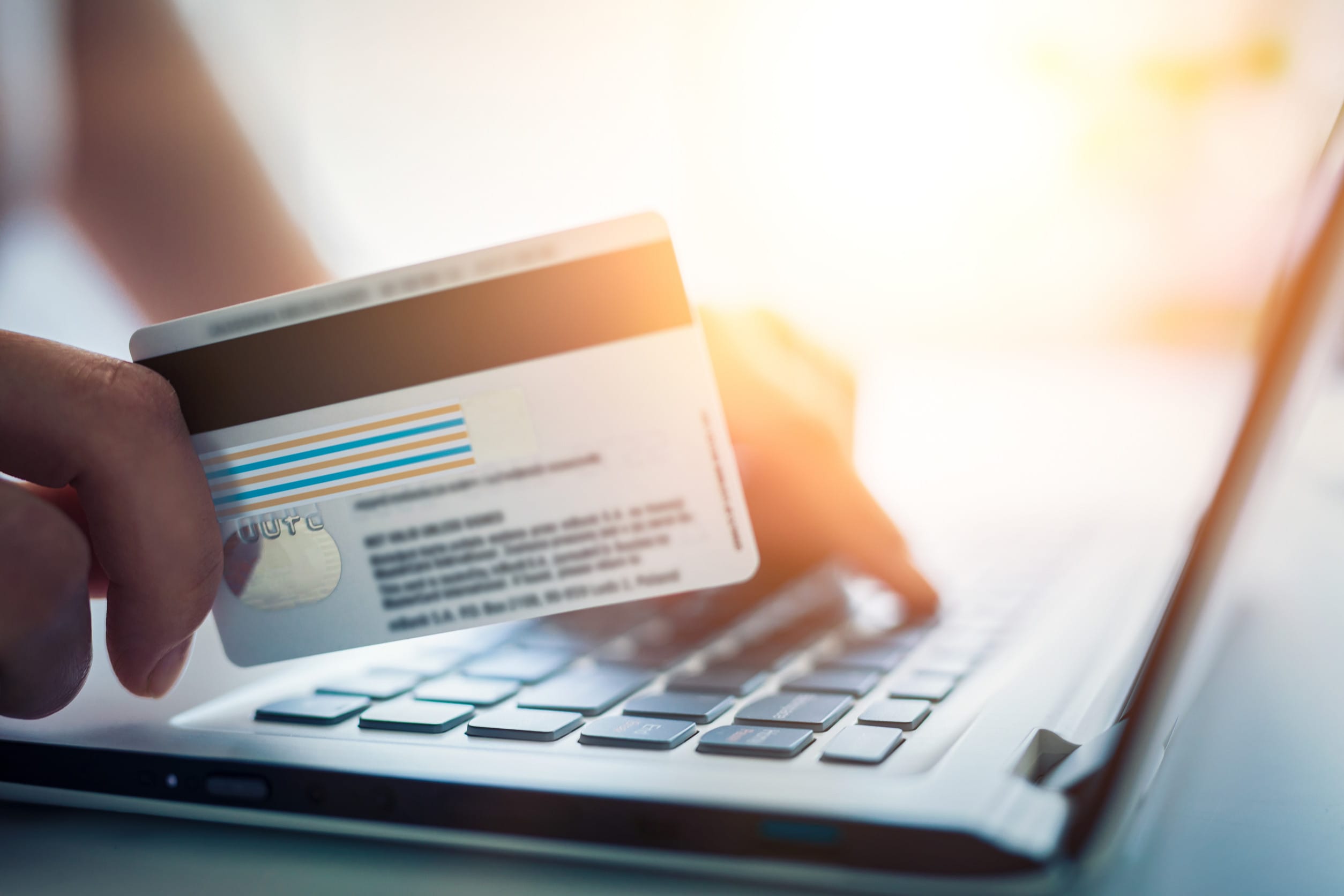
Paying bills online has become second nature for millions of people, and for good reason—it’s fast, easy, and cuts down on paper clutter. But with convenience comes risk, and small errors can leave your finances more exposed than you realize. Strangers and cybercriminals look for the exact online bill-pay mistakes most people make, and when they find them, your bank account could be the target. The good news is that recognizing these risks puts you one step ahead of potential fraud. Here are five common errors to avoid so your bill payments stay secure.
1. Using Public Wi-Fi for Payments
Logging into your bank or utility account while sipping coffee at a café may feel harmless, but it’s one of the most dangerous online bill-pay mistakes you can make. Public Wi-Fi networks are often unencrypted, meaning hackers can intercept the information you send. That includes usernames, passwords, and even payment details. Once stolen, these details can give criminals direct access to your bank account. The safe habit is to only pay bills on a secure home network or by using your phone’s cellular data connection.
2. Saving Payment Details on Shared Devices
It’s convenient to save logins or card details for faster checkouts, but on shared computers or even family tablets, this is risky. Anyone with access to that device can open your accounts or make unauthorized transactions without needing your password. These kinds of online bill-pay mistakes are often overlooked because they seem harmless, but they leave your money vulnerable. If you must save logins, use a reputable password manager that requires its own secure login. Better still, log out completely after each payment session, especially on devices other people may use.
3. Ignoring Account Notifications and Alerts
Most banks and billing systems offer free email or text alerts about payments, logins, or suspicious activity. Ignoring or failing to set up these alerts is one of the easiest online bill-pay mistakes to fix. Alerts give you real-time updates when a bill is paid or if unusual activity occurs, meaning you can act quickly if something is wrong. Without them, unauthorized charges or errors may go unnoticed until it’s too late. Setting up notifications takes only a few minutes, but could save you thousands in losses.
4. Paying Through Unverified Links or Emails
Scammers often send emails or texts claiming to be from utility companies, credit card issuers, or even your bank. Clicking those links and entering your login information is one of the most costly online bill-pay mistakes people make. These fake sites look real but are designed to steal your credentials and empty your account. Always go directly to the company’s official website or use their verified app instead of following emailed links. If you receive an unexpected bill reminder, call the company directly using the phone number listed on your last statement.
5. Using Weak or Recycled Passwords
Passwords like “123456” or reusing the same login across multiple accounts are practically an invitation for hackers. Weak or recycled credentials are among the most common online bill-pay mistakes because people prioritize convenience over security. If one of your reused passwords leaks in a data breach, cybercriminals can try it across multiple accounts, including your bank. To protect yourself, create strong, unique passwords with a mix of letters, numbers, and symbols for each billing account. Adding two-factor authentication when available creates an extra layer of security that hackers can’t bypass easily.
Protecting Your Bank Account Starts with Awareness
The ease of digital payments has made life simpler, but it’s also created openings for criminals waiting for you to slip up. By avoiding these online bill-pay mistakes, you can reduce your risk of fraud, stolen information, or drained accounts. Each small adjustment—using secure networks, monitoring alerts, and building stronger passwords—adds significant protection. Think of it as locking the doors and windows of your financial home every time you hit “pay.” Staying mindful ensures convenience doesn’t come at the cost of security.
Have you ever spotted suspicious activity after paying bills online? Share your experiences and tips for staying safe in the comments below!
What to Read Next
Why Relationship Experts Are Warning Against Shared Bank Accounts Again
9 Dangerous Assumptions Couples Make About Joint Bank Accounts
Every Couple Should Have 3 Bank Accounts and Here’s Why
Can A Wife Be Charged With Stealing Money From Her Husband’s Bank Account?
Why More Husbands Are Filing Bankruptcy After Divorce Settlements
