
5 Gas Pump Mistakes That Could Be Costing You Hundreds a Year
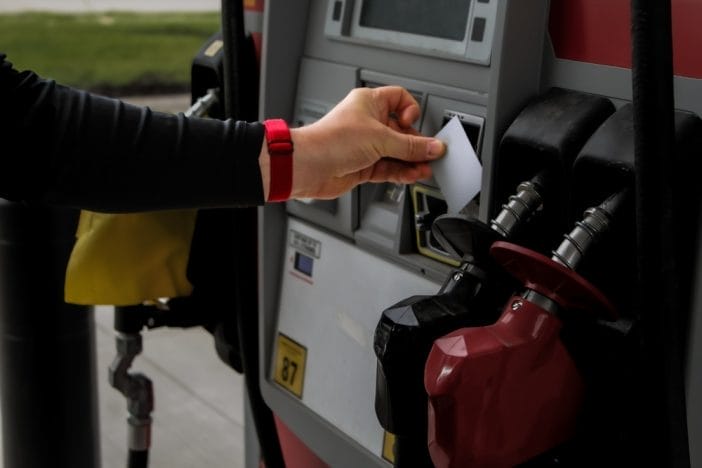
Somewhere between the click of the pump and the drive back onto the road, money slips away faster than most people realize. Gasoline doesn’t just disappear because of rising prices or long commutes—it vanishes through everyday habits that feel harmless but quietly add up over time. A few seconds here, a small choice there, and suddenly the annual total looks a lot heavier than expected.
Those quick stops at the pump hold more power than they seem. Tiny decisions shape how much fuel actually goes into the tank, how efficiently the car uses it, and how often those refills happen in the first place. Ignore those details, and the costs creep up month after month. Pay attention, and the savings start stacking almost immediately, without changing much about daily routines.
1. Topping Off the Tank Like It’s a Sport
That satisfying click when the pump shuts off should signal the end of the transaction, but plenty of people keep going, squeezing in just a little more fuel as if it’s a game to reach a perfect number. That habit feels harmless, but it often wastes money instead of saving it. Modern fuel systems include vapor recovery features that prevent overflow and capture fumes, so pushing extra gas into the tank can disrupt that system and lead to fuel loss through evaporation.
Gasoline expands when temperatures rise, especially during warm days, and an overfilled tank leaves no room for that expansion. That means excess fuel can escape through the system, turning hard-earned money into fumes. Even worse, repeatedly topping off can damage the vehicle’s evaporative emissions system, which can trigger costly repairs down the road. A small habit at the pump suddenly turns into a repair bill that wipes out any perceived benefit.
Skipping the urge to round up to a neat number keeps both the car and the wallet in better shape. Letting the pump stop naturally ensures the system works as designed and prevents fuel waste. Over the course of a year, avoiding this one habit can save more than expected, especially for those who fill up frequently. That simple restraint adds up quietly, and it keeps fuel where it belongs—inside the tank, not drifting into the air.
2. Choosing the Wrong Grade “Just in Case”
Premium gasoline sounds like a treat for the car, almost like upgrading to a better version of fuel. That perception leads many drivers to reach for higher-octane options even when their vehicle doesn’t require it. The reality tells a different story, because most engines work perfectly well with regular gasoline, and using premium does not improve performance or efficiency unless the manufacturer specifically recommends it.
Higher-octane fuel resists knocking in high-compression engines, but standard engines don’t need that extra protection. Paying extra for premium in those cases simply burns through more cash without delivering any benefit. The price difference per gallon might seem small in isolation, but over weeks and months, it turns into a significant expense that offers zero return.
Checking the owner’s manual clears up any confusion quickly and removes guesswork from the equation. If the vehicle calls for regular fuel, sticking with it keeps costs down without sacrificing performance. That choice alone can save hundreds each year, especially for drivers who log frequent miles. It’s one of the easiest fixes, yet one of the most overlooked.
3. Filling Up at the Wrong Time of Day
Timing matters more than most people think when it comes to fueling up. Gasoline expands in heat and contracts in cooler temperatures, which means buying fuel during hotter parts of the day can result in slightly less energy per gallon. While the difference might seem minor on a single fill-up, consistent timing choices can influence total fuel value over the long run.
Morning or late evening tends to offer cooler conditions, which keeps fuel denser and potentially gives more bang for the buck. Midday heat, especially in warmer climates, can slightly reduce that density, meaning less fuel mass enters the tank even though the volume remains the same. It’s not a dramatic loss, but it’s a steady one that accumulates over time.
Choosing cooler hours for refueling doesn’t require any major lifestyle change. It simply involves shifting a routine by a few hours, often pairing fuel stops with existing schedules like morning errands or evening commutes. That small adjustment adds efficiency to something already necessary, and it builds savings without any extra effort. Over a year, those tiny differences quietly stack into something noticeable.
4. Ignoring Tire Pressure and Blaming Gas Prices
Fuel efficiency doesn’t start at the pump—it starts with how the car interacts with the road. Underinflated tires create more rolling resistance, forcing the engine to work harder and burn more fuel. Many drivers never check tire pressure regularly, which leads to gradual losses in efficiency that show up as more frequent trips to the gas station.
Even a slight drop in tire pressure can reduce fuel economy by several percentage points. That translates into more gallons used over time, which means more money spent for the same amount of driving. The frustrating part is how easily this problem can be fixed, yet it often goes unnoticed until the cost becomes significant.
Checking tire pressure once a month and keeping it at the recommended level improves fuel efficiency immediately. It also extends tire life and enhances safety, which adds even more value beyond savings at the pump. This habit doesn’t require tools beyond a simple gauge, and it pays off in multiple ways. Fuel costs drop, performance improves, and the car runs more smoothly overall.

5. Pumping Gas Like You’re in a Rush
Speeding through a fuel stop might feel efficient, but rushing the process can actually reduce how much usable fuel goes into the tank. Pumping at the fastest setting increases vapor formation, which can trigger the pump to shut off prematurely or lead to more fumes being captured instead of liquid fuel being delivered.
Slower pumping allows gasoline to flow more steadily into the tank, reducing vapor loss and ensuring a more complete fill. It might take a few extra seconds, but it improves accuracy and reduces waste. Those seconds add up to better value over time, especially for drivers who fill up frequently.
Taking a calmer approach at the pump turns a routine task into a smarter one. It’s not about dragging out the process, but about avoiding unnecessary waste caused by rushing. That slight shift in behavior keeps more fuel in the tank and less money slipping away. Over the course of a year, even small improvements like this contribute to noticeable savings.
Tiny Habits Add Up Fast
Gas pump mistakes rarely feel dramatic in the moment, which makes them easy to ignore. Each one seems small, almost insignificant, but together they create a steady drain on any budget. Fixing them doesn’t require major lifestyle changes or complicated strategies—it just takes awareness and a few intentional choices during routine stops.
Which of these habits feels the most familiar, and which one seems easiest to change starting today? Drop your thoughts, tips, or even your own money-saving strategies in the comments—there’s always another smart idea waiting to be shared.
You May Also Like…
You’re Wasting Gas Without Realizing It—5 Simple Fixes That Stretch Every Gallon
These 8 States Have the Lowest Gas Taxes — Are You in One?
The $3,000 Click: Why “Topping Off” Your Gas Tank Is Slowly Killing Your Engine
The “Winter Blend” Gas Myth That Is Costing You Money
Charlotte Commuters Feel the Burn: Local Gas Prices Surge Over $3 as Iran Conflict Escalates
