
5 Dermatologist Backed Fixes for Razor Bumps
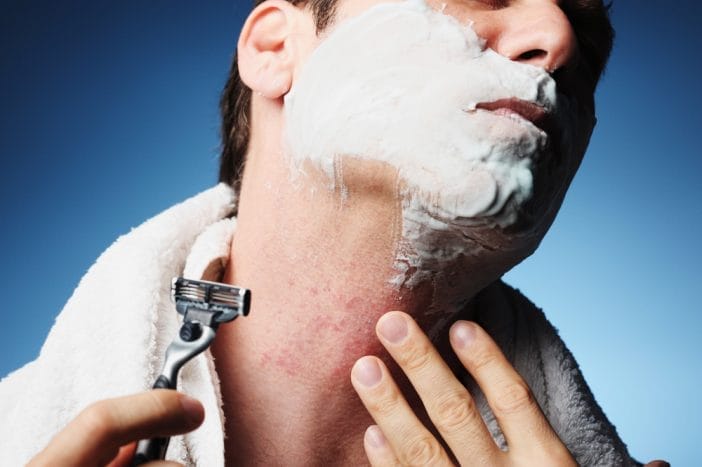
Razor bumps refuse to play nice. Those angry little red spots turn a simple grooming routine into a frustrating battle against irritation, inflammation, and stubborn ingrown hairs. Smooth skin sounds simple in theory, yet one quick shave can trigger a parade of itchy bumps that linger for days.
Dermatologists know exactly why this problem explodes so often. Hair curls back into the skin after shaving, inflammation flares up, and bacteria sometimes jump into the mix for extra trouble. Dermatologists even classify severe razor bumps as a medical condition called Pseudofolliculitis Barbae, which shows just how common and persistent the issue can become. Fortunately, skin experts also offer practical solutions that dramatically reduce irritation and keep shaving from turning into a weekly war with the mirror.
1. Give Your Skin a Warm-Up Before the Blade Ever Touches It
A rushed shave invites razor bumps faster than almost anything else. Dermatologists constantly emphasize preparation because hair and skin behave very differently when they soften with moisture and heat. A few minutes of warm water relaxes the hair shaft and opens the pores, which allows the blade to glide instead of scrape. Dermatologists frequently recommend shaving after a warm shower for that exact reason. The hair absorbs water, swells slightly, and cuts far more easily.
Skipping that preparation forces the razor to tug and pull at stiff hair. That pulling motion bends hair beneath the skin’s surface and encourages ingrown growth once the hair starts growing again. A warm compress can also help if a shower does not fit the schedule. A soft towel soaked in warm water and pressed gently against the skin for several minutes can soften the hair and calm the skin before shaving begins.
Hydration also supports the skin barrier, which protects against irritation. Skin that stays dry and tight struggles to handle friction from a razor blade. A hydrating shave gel or cream locks in moisture and reduces friction at the same time. Dermatologists often suggest formulas that contain soothing ingredients such as Aloe Vera because the plant naturally calms inflammation and supports healing.
2. Respect the Grain Instead of Fighting It
Shaving against the direction of hair growth might feel satisfying in the moment, but dermatologists warn that this habit often sparks razor bumps. Hair that gets cut below the skin’s surface can curl backward and burrow into the surrounding tissue. That process creates painful inflammation and those unmistakable red bumps.
Shaving with the grain dramatically reduces that risk. Hair stays above the skin line more often, which allows it to grow outward naturally instead of looping back into the follicle. Dermatologists frequently emphasize that smoother skin immediately after shaving does not always equal healthier skin hours later. A slightly less aggressive shave often prevents irritation that appears later in the day.
Careful technique matters just as much as direction. Light, gentle strokes help the blade glide along the skin instead of digging into it. Many dermatologists encourage short strokes rather than long sweeping passes because shorter movements give better control. Pressure should remain minimal because the blade already performs the cutting work.
A small mirror check can reveal the natural direction of hair growth across different parts of the face or body. Hair rarely grows in a single uniform direction, so adjusting the shave path accordingly can make a huge difference. Respecting the grain gives hair space to grow normally and dramatically lowers the chance of razor bumps appearing hours later.
3. Exfoliation: The Secret Weapon for Preventing Ingrown Hairs
Dead skin cells can quietly sabotage a shave. When those cells pile up around hair follicles, they create a barrier that traps new hair beneath the surface. Dermatologists strongly encourage regular exfoliation because it clears away that buildup and allows hair to grow freely.
Chemical exfoliants often deliver the best results. Dermatologists frequently recommend ingredients like Salicylic Acid because this beta hydroxy acid penetrates pores and loosens dead skin inside the follicle. That deeper cleaning action prevents clogged follicles and reduces inflammation around hair roots.
Physical exfoliation can also help when done gently. Soft brushes, mild scrubs, or textured cloths can lift dead skin cells without damaging the skin barrier. Gentle technique matters enormously because aggressive scrubbing can trigger irritation that makes razor bumps worse. Dermatologists usually recommend exfoliating several times per week rather than every single day.
Consistency plays the biggest role here. Regular exfoliation keeps pores clear, skin smoother, and hair follicles free from blockage. That combination dramatically lowers the chance of ingrown hairs forming after a shave.
4. Calm the Skin Immediately After Shaving
Skin often enters a vulnerable state right after shaving. Tiny micro-cuts form along the skin’s surface, even when the shave feels smooth. Dermatologists emphasize soothing care at this stage because inflammation can spiral quickly if the skin becomes irritated. Cooling the skin helps reduce redness and swelling. A splash of cool water or a chilled washcloth can quickly calm irritation. Dermatologists frequently recommend products that contain soothing ingredients such as Niacinamide because the vitamin B3 derivative reduces inflammation and strengthens the skin barrier.
Moisturizing also plays a major role. A lightweight, fragrance-free moisturizer helps repair the skin barrier and locks in hydration. Products that contain alcohol can dry out the skin and trigger irritation, so dermatologists often suggest avoiding harsh aftershaves that sting.
Clothing and friction can also aggravate freshly shaved skin. Tight collars or waistbands can rub against follicles and trigger irritation shortly after shaving. Loose fabrics allow skin to recover peacefully while hair begins growing again.
5. Upgrade the Tools Instead of Blaming the Skin
Blades dull quickly, and dull blades cause chaos for sensitive skin. Dermatologists frequently highlight razor quality as one of the biggest factors in razor bump prevention. A dull blade drags across hair rather than cutting cleanly, which leads to tugging, irritation, and uneven hair edges that curl into the skin.
Sharp blades slice hair cleanly and reduce friction dramatically. Replacing blades regularly keeps the shaving process smooth and predictable. Dermatologists often recommend rinsing blades thoroughly after every pass because trapped hair and shaving cream can clog the razor and reduce cutting efficiency.
Multi-blade razors can also create problems for certain skin types. Multiple blades lift hair and cut it below the surface, which increases the chance of ingrown hairs. Some dermatologists suggest single-blade safety razors for individuals who struggle with frequent razor bumps. A single blade cuts hair at the surface level without forcing it beneath the skin.
Electric trimmers provide another option for extremely sensitive skin. These devices leave a tiny bit of hair above the surface, which greatly reduces the risk of ingrown hairs. While the shave may not feel perfectly smooth, the skin often looks calmer and healthier.
Smooth Skin Starts With Smarter Habits
Razor bumps thrive on irritation, rushed grooming, and clogged follicles. Dermatologists continue to emphasize that technique, preparation, and skin care matter far more than brute force with a razor blade. Small changes in routine can dramatically reduce redness, ingrown hairs, and lingering discomfort.
Which shaving trick changed the game the most for you, or which strategy finally eliminated stubborn razor bumps? Drop thoughts, routines, or grooming tips in the comments and share what actually works.
You May Also Like…
Why Burnt Toast Syndrome is Still Plaguing Women’s Relationships Negatively
The Hidden Mental Health Risks of Common Hair Loss Drugs Men Should Know About
The Behavioral Traps That Ruin Male Health Over Time
The Alcohol Pattern That Destroys Male Health Faster Than Smoking
