
13 Essentials the Middle Class Struggles to Afford Today
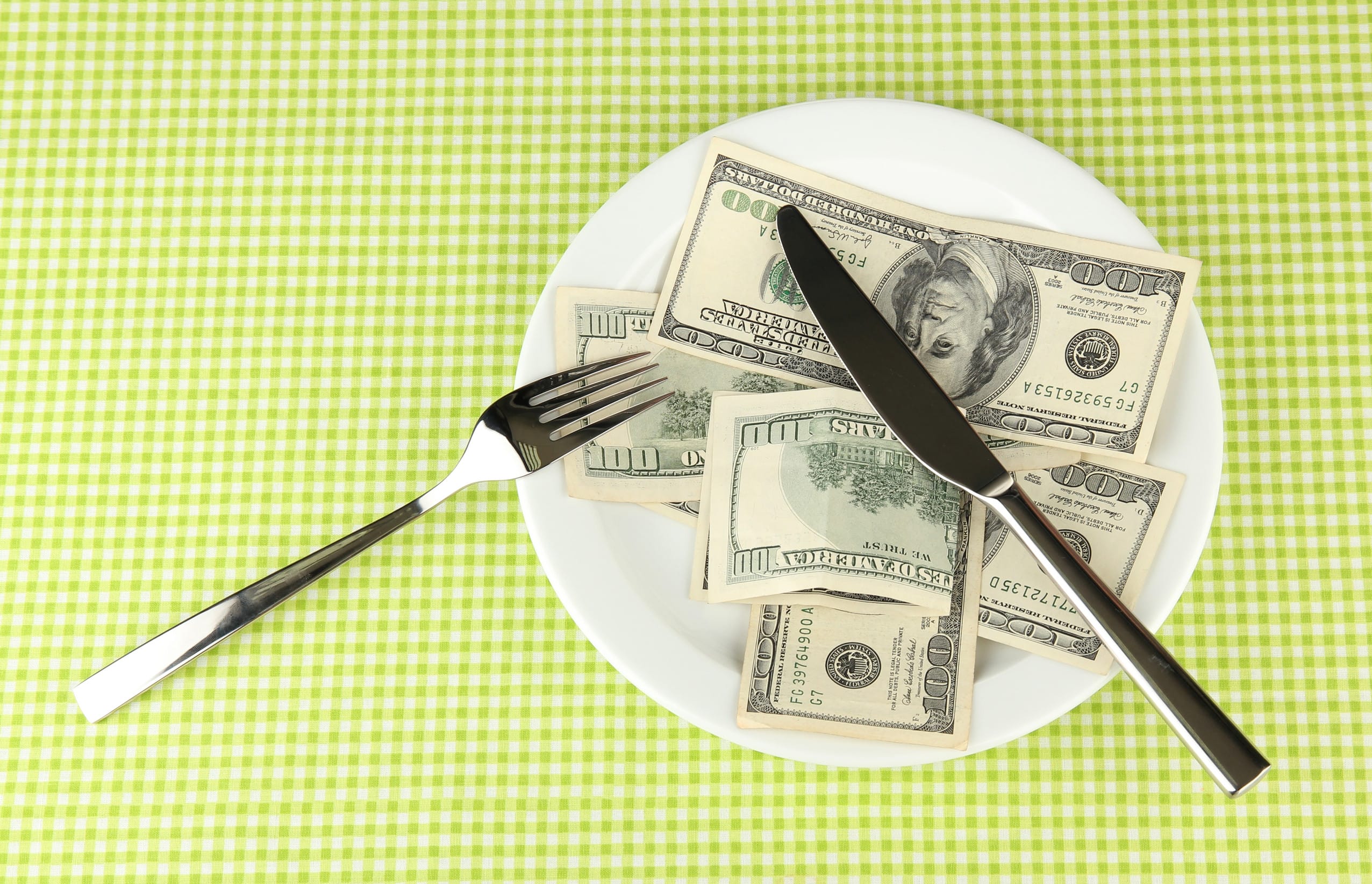
If you’re in the middle class, it may feel like you’re walking a financial tightrope. Earning enough to avoid poverty, yet never quite catching up. The truth is, many middle-income households today face middle-class struggles over things once considered basic. When essentials like housing, healthcare, and education drain more from your paycheck than ever before, the dream of upward mobility starts to feel out of reach. Believe it or not, there are a number of things that have become out of reach for the middle class. Here are 13 essentials that many people in this class are struggling to afford today.
1. Decent Housing in Good Neighborhoods
The cost of adequate housing has soared in cities and suburbs alike. In many metropolitan areas, middle-class households are now being priced out of neighborhoods they once considered affordable. Because wages haven’t kept pace with real estate inflation, more people end up devoting 30–50% (or more) of their income to rent or mortgage. According to a recent report, a large share of middle-income renters are now “cost burdened,” spending a heavy portion of their income on housing. That leaves less money for everything else, tightening the squeeze on essentials.
2. Quality Healthcare & Insurance Premiums
Healthcare costs have ballooned, and insurance plans are more expensive with higher deductibles, co-pays, and out-of-pocket maximums. Many middle-class individuals skip checkups or delay necessary procedures because of cost. Even “insurance” often fails to protect you from large bills when serious conditions arise. What was once manageable now often becomes a financial crisis. The result: health issues that compound into financial issues, adding to middle-class struggles.
3. Reliable Transportation & Car Repairs
A dependable car used to be a manageable cost; now it’s a heavy burden. Rising prices for new vehicles, high insurance, fuel, and repair costs push many to forgo upgrades or delay maintenance. Public transit often isn’t an option outside major urban cores, leaving middle-class workers stuck with aging vehicles. When a breakdown happens, the repair bill can be a shock. The burden of transportation becomes not just an inconvenience but a financial hazard.
4. Childcare & After-School Programs
If you have young kids, the cost of daycare or after-school care might be your largest monthly expense after housing. Many middle-class families find themselves paying thousands per month for decent care. The burden increases when both parents work and need flexible options. Some even sacrifice career advancement just to reduce childcare costs. This pressure to afford care for your children is a central part of middle-class struggles in modern life.
5. Higher Education & Rising Tuition
Whether it’s saving for your children’s college or pursuing your own advanced degree, education costs continue to climb. Tuition inflation outpaces general inflation, pushing many families to take on loans or forgo higher degrees altogether. Even prestigious institutions now offer fewer full rides to middle-class students. The risk: you or your children inherit debt that can last decades. This makes educational opportunity a luxury rather than a reachable goal.
6. Long-Term Savings & Emergency Funds
One defining trait of financial security is being able to build an emergency fund or save for retirement. But with so many essentials pulling income, middle-class households struggle to set aside much, if anything. Surveys show that many Americans can’t handle a $500 emergency without borrowing. Without buffers, a single job loss, health issue, or car repair can knock you off balance. That deficiency is a core part of middle-class struggles today… not living paycheck to paycheck, but having no margin.
7. Quality Food & Nutritional Choices
Eating healthily costs more than grabbing fast or processed options. Organic produce, lean meats, specialty diets, and wholesome meals tend to carry premium prices. Many middle-class families compromise on quality just to make ends meet. In some cases, the cheapest food choices contribute to worse health outcomes, feeding back into medical costs. The ability to eat well is no longer guaranteed for many.
8. Technology & Connectivity
We live in a digital age, and reliable internet, updated devices, and technology subscriptions are near-essential. But many middle-class families find themselves juggling phone bills, broadband, software, or smart devices. When one device fails or a subscription renews, it can feel like an unexpected luxury purchase. Skimping on connectivity or tech support can hurt productivity, education, or the ability to work remotely. Access to modern tools should be basic, but too often it’s another financial burden.
9. Home Maintenance & Repairs
Owning or renting a home comes with hidden costs: roof repairs, plumbing, HVAC, pest control, and general upkeep. For the middle class, unexpected repairs can blow the budget. Many delay maintenance until problems worsen, escalating costs further. Over time, deferring upkeep eats into both comfort and resale value. The middle class may own a home, but maintaining it is increasingly a strain.
10. Personal Insurance & Liability Coverage
Policies like life insurance, disability insurance, umbrella liability coverage, and even umbrella auto or homeowners coverage add up. Middle-class households often skip or underinsure because premiums feel too expensive. But lacking adequate coverage increases vulnerability to large losses or lawsuits. The “cheap now, costly later” tradeoff becomes a risk many can’t afford. Proper protection is one more financial necessity that often slips through.
11. Quality Child Enrichment & Activities
Beyond basics, children’s development often involves music lessons, sports, camps, travel experiences, and extracurricular activities. These are often optional, but many middle-class parents view them as essential for opportunity. The costs add up fast, especially for multiple kids. When budgets are tight, these get cut first, creating guilt or pressure to keep up. The result: many middle-class families feel they’re sacrificing their children’s prospects.
12. Travel & Family Vacations
A break from work and stress is restorative, but travel is now expensive. Between flights, lodging, food, and hidden fees, vacations often eat into savings or increase debt. Many middle-class families choose staycations or skip trips entirely. This tradeoff is more than a leisure sacrifice. It affects mental health and work-life balance. The inability to take breaks is part of the ongoing pressure.
13. Retirement & Long-Term Care Costs
Saving for retirement or assuming future long-term care (for self or aging parents) has become a heavy burden. Many middle-class earners realize too late that Social Security or a pension alone won’t suffice. Long-term care insurance is expensive, and many delay until premiums skyrocket. Without strong retirement planning, middle-class families may end up dependent or financially insecure in later years. The future becomes uncertain, and that fear underscores middle-class struggles in a new way.
What This Reveals About the Middle-Class Squeeze
These 13 essentials paint a fuller picture of middle-class struggles beyond just “not being poor.” It’s the stress of covering the necessities while trying to save, grow, and live with dignity. The squeeze comes when wage growth lags behind inflation, and costs rise in every corner of life. Understanding which areas hit hardest gives you a chance to strategize (trim, reallocate, or fight for change).
Which of these essentials challenges you most, and what workaround have you found? Share your experience below, and let’s learn together.
What to Read Next
- 9 Things That Used to Mean You’d Made It to the Middle Class
- 6 Clues You’re Secretly Living the Upper-Middle Class Lifestyle
- Where the Middle Class Can’t Breathe: 6 States With Crushing Tax Burdens
- The Middle Class Can’t Keep Up—Here’s Where Their Money Is Really Going
- 10 Luxury Cars That The Middle Class Can No Longer Afford
