
12 Cold-Weather Car Issues Spiking Across The Country
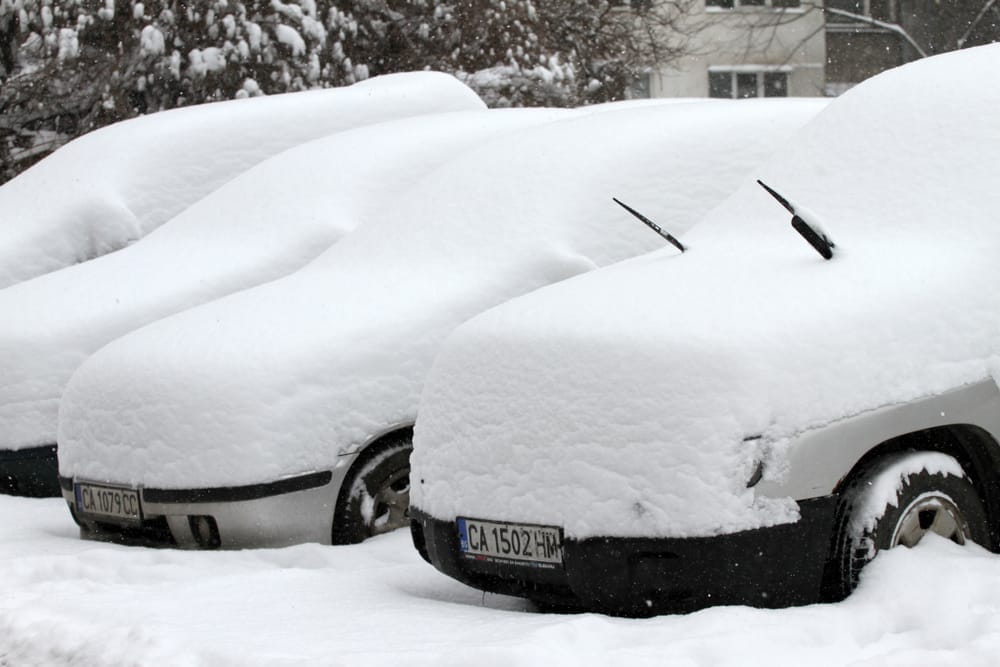
Winter doesn’t knock politely—it kicks the door in, steals your warmth, and dares your car to survive the night. One day, everything runs smoothly, and the next morning, your dashboard lights up like a holiday display of bad news. Cold weather has a ruthless way of exposing weaknesses you didn’t even know your vehicle had, and across the country, drivers are learning that lesson the hard way.
From frozen parts to mysterious warning lights, winter turns minor issues into full-blown headaches fast. Buckle up, because these are the cold-weather car problems surging everywhere right now—and why they matter more than you think.
1. Dead Batteries Everywhere
Cold temperatures dramatically reduce a battery’s ability to deliver power, especially if it’s already aging. That slow crank you ignored in October becomes a full no-start by January. Short winter trips don’t give batteries enough time to recharge, making things even worse. Corrosion on battery terminals also stiffens in the cold, disrupting electrical flow. This is why tow trucks get slammed with jump-start calls every winter morning.
2. Thickened Engine Oil Problems
When temperatures plunge, engine oil thickens and moves more slowly through vital components. That delay increases wear during cold starts, when engines are most vulnerable. Older oil or the wrong viscosity makes the problem significantly worse. Drivers often notice rough starts, sluggish acceleration, or new engine noises. Switching to winter-rated oil can make a surprising difference.
3. Tire Pressure Warning Light Panic
Cold air contracts, and that means tire pressure drops overnight without a single puncture involved. Many drivers wake up to warning lights that seem alarming but are actually temperature-related. Underinflated tires reduce traction, fuel efficiency, and braking performance. Ignoring the issue increases the risk of blowouts on icy roads. A simple pressure check can prevent a long list of winter driving problems.
4. Frozen Door Locks And Handles
Moisture sneaks into door mechanisms and freezes solid during cold snaps. Suddenly, your key won’t turn or your handle refuses to budge. Pulling harder often leads to broken handles or damaged linkages. Remote unlock systems aren’t immune either when internal components freeze. Preventive lubrication before winter can save a lot of frustration.
5. Failing Alternators Exposed
Cold weather puts extra electrical demand on your vehicle, stressing the alternator. Heated seats, defrosters, headlights, and blower motors all run harder in winter. A weak alternator may seem fine in warm months but fail under winter load. Flickering lights or battery warnings are common early signs. Once it goes, your car won’t last long without power.
6. Cracked Belts And Hoses
Rubber components become stiff and brittle in freezing temperatures. Small cracks that went unnoticed in summer can suddenly split open. A broken belt can shut down power steering, charging systems, or cooling components instantly. Coolant hoses are especially vulnerable when pressure rises during cold starts. Winter is when neglected maintenance catches up fast.
7. Starter Motor Failures
Starters work hardest during cold weather because engines require more effort to turn over. Thick oil and reduced battery power force starters to strain beyond normal limits. Clicking sounds or delayed cranking are common warning signs. Eventually, the starter gives up completely, often without much notice. Many winter no-start situations trace back to this overlooked part.

8. Brake System Issues In The Cold
Salt, slush, and moisture wreak havoc on brake components during the winter months. Calipers can freeze or seize, causing uneven braking or dragging wheels. Rust builds faster when vehicles sit in damp, cold conditions. Brake fluid can also absorb moisture, reducing performance in extreme cold. Ignoring early symptoms can turn a small repair into a safety risk.
9. Windshield Washer System Freeze-Ups
Using summer washer fluid in winter is a costly mistake. Lines and reservoirs can freeze solid, leaving drivers blind in salty, slushy conditions. Pumps may burn out trying to push frozen fluid. Visibility issues dramatically increase accident risk during winter storms. Winter-rated washer fluid is a small upgrade with big safety benefits.
10. Faulty Heating And Defrost Systems
Cold weather exposes weak heater cores, blower motors, and climate control components. Drivers often notice lukewarm air or foggy windshields that won’t clear properly. Without effective defrosting, winter driving becomes dangerous fast. Coolant issues or trapped air can worsen heating problems. Comfort quickly turns into a safety concern when heat fails.
11. Fuel System Freeze Concerns
Condensation builds inside fuel tanks during temperature swings. That moisture can freeze in fuel lines during extreme cold. Symptoms include sputtering, stalling, or failure to start. Vehicles with nearly empty tanks are especially vulnerable. Keeping the tank fuller in winter helps reduce moisture buildup.
12. Suspension And Steering Strain
Cold temperatures stiffen suspension bushings and shock absorbers. Rough winter roads amplify wear on already stressed components. Drivers may notice clunking noises, wandering steering, or reduced handling control. Salt corrosion accelerates damage to metal suspension parts. Winter driving quietly shortens suspension lifespan if issues go unchecked.
Winter Knows Your Car’s Weaknesses
Cold weather doesn’t create car problems—it reveals them with ruthless efficiency. The issues spiking across the country right now all point to one truth: winter is the ultimate stress test for every vehicle. Paying attention to early warning signs can save money, time, and a whole lot of roadside misery. Routine checks and seasonal maintenance go further in winter than any fancy upgrade ever will.
Drop your thoughts, winter driving experiences, or hard-earned lessons in the comments section below and join the conversation.
You May Also Like…
8 Winter Driving Realities That Separate Skilled Drivers From Lucky Ones
8 Winter Driving Errors That Insurance Companies Profit From
5 Quirky (But Lovable) Things About Older Cars
Dealers Can’t Even Give These 3 Cars Away
8 Old-School Habits Only People Who Drive Cars Into the Ground Value
