
11 Reasons Aging Makes People Rely on the TV to Fall Asleep
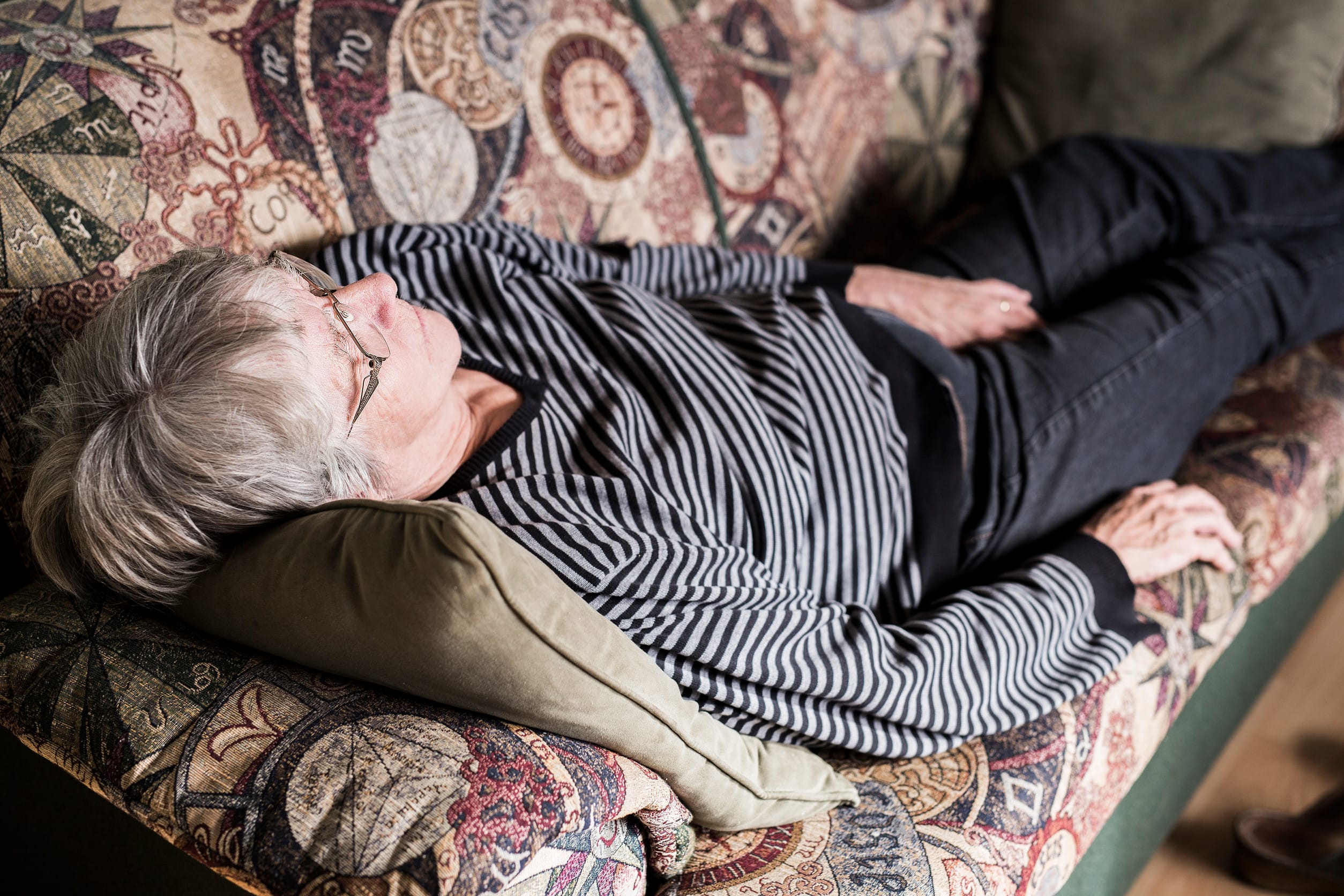
As we get older, drifting off to sleep often becomes trickier than it used to be. Many older adults find themselves turning on the TV, not because they love shows late at night, but because somehow it feels necessary to quiet their minds. Understanding aging reliance on TV helps us uncover what’s changing in the body and mind. Here are 11 reasons aging makes people rely on the TV to fall asleep, plus some ideas to break the cycle. If you (or someone you care for) depend on the television as a sleep crutch, we hope to help lead you toward healthier rest.
1. Reduced Melatonin and Shifted Circadian Rhythms
One major reason aging leads to reliance on TV is that the body produces less melatonin over time, making it harder to feel sleepy naturally. The internal clock (circadian rhythm) also shifts earlier, so older adults may get tired sooner in the evening and wake up earlier in the morning. With less hormonal push toward sleep, they may turn on the TV as a cue or crutch to wind down. The flicker of light and sound may temporarily “feel” like a cue for rest. But over time, the reliance on that external cue (TV) can create a habit hard to break.
2. More Fragmented and Lighter Sleep Drives Anxiety
As aging increases, deep sleep decreases, and awakenings during the night become more common. When someone expects frequent waking, they may fear silence or darkness and worry they can’t get back to sleep. The TV becomes a safety net of sorts: “If I wake, at least something is on.” That anxiety about being alone with thoughts in darkness can push older adults to rely on background noise. Over time, the brain associates the TV with comfort and returns to sleep.
3. Difficulty Silencing Intrusive Thoughts
With age often comes more internal noise, like worries about health, finances, family, or mortality. Quiet darkness can amplify those thoughts, making it harder to relax into sleep. The TV offers a distraction so the mind doesn’t spiral. In effect, the screen becomes a buffer between conscious thought and the quiet that triggers ruminating. Thus, reliance on TV grows as a coping mechanism to quiet the internal chatter.
4. Increased Sensitivity to Silence or Unexpected Noises
Many older adults develop heightened sensitivity to small sounds, such as creaks, wind, distant traffic, and even house noises. Silence can feel unnatural or unsettling. To mask those intermittent sounds, they may leave the TV on for steady background noise. This steady hum feels safer and more predictable. The TV becomes a “sound blanket” that helps block disruptive noises that might otherwise jolt them awake or prevent sleep.
5. Loneliness, Social Disconnection, or Loss of Routine
Retirement, loss of friends, or reduced daily social interaction can lead to stronger feelings of loneliness for some older adults. Turning on the TV offers a kind of pseudo-companionship (voices, characters, sound presence). It becomes part of a night routine that replaces social cues that used to signal winding down. That reliance on an “audience” (even fictional) steers them further into needing the TV to feel secure. Over time, these emotional and habit factors cement the TV as a sleep anchor.
6. Habit Formation and Psychological Dependence
Once someone uses the TV nightly as a sleep aid, it can develop into an ingrained habit. Over time, that habit may feel psychologically necessary: “I can’t sleep without it.” Even if the original triggers (anxiety, noise, internal chatter) diminish, the body and mind expect the same trigger (TV) each night. This kind of learned reliance makes breaking the pattern more difficult. The effort to rewire the sleep cue must compete with years of reinforcement.
7. Lower Tolerance for Darkness or Perceptual Change
With age, vision changes. You have less light sensitivity, cataracts, and slower adaptation to darkness. A completely dark room can feel stark or uncomfortable. Leaving the TV on adds light that prevents full darkness and eases visual adjustment. The glow helps the eyes avoid abrupt transitions, making the environment feel gentler. That sensory smoothing nudges people into using the TV to soften the darkness as they drift off.
8. Sedative or Hypnotic Illusions From Passive Viewing
Some people believe passive TV viewing “calms” the mind and helps them drift off. The combination of familiar content, rhythmic background noise, and a sense of mild engagement can lull the brain into drowsiness. Even if it isn’t the best for sleep quality, the illusion feels like help. For older adults struggling to relax otherwise, that seductive effect becomes a fallback. Thus, reliance on TV is reinforced through perceived short-term benefit.
9. Reduced Daytime Stimulation or Monotony
In retirement or later life, people may have less demanding daily schedules, fewer stimulating activities, or reduced outdoor time. That can dampen the body’s sleep drive by nightfall. Without strong daytime cues, the brain struggles to differentiate day from night. Relying on TV as an evening ritual gives structure and cues toward “winding down.” In the absence of robust daily stimuli, that evening cue becomes more potent, even if imperfect.
10. Side Effects of Medications and Medical Conditions
Many older adults take medications or deal with conditions (pain, restless legs, sleep apnea, urinary urgency) that interfere with sleep. These disruptions make falling asleep harder and staying asleep unpredictable. Because the sleep environment is already fragile, they may lean into the TV as a consistent fallback. The light and sound from the TV provide external input when internal systems fail. This reliance is compounded when underlying physiological factors worsen over time.
11. Poor Sleep Hygiene and Environmental Cues
Frequently, older adults may use the bed for multiple purposes (watching TV, reading, snacking), blurring cues that the space is dedicated to sleep. Keeping the television in the bedroom reinforces that confusion. Blue light from the TV suppresses melatonin and stimulates the brain, counteracting the intended relaxation. Once the TV becomes an element of the sleep environment, reliance strengthens. Improving sleep hygiene (removing screens, reserving the bed for sleep) is essential to reduce reliance.
Distilling the Core Insight: Why the TV Becomes a Crutch
Aging reliance on TV emerges from a mix of biological, psychological, environmental, and habitual factors. Declining melatonin, lighter sleep, anxiety, sensory sensitivity, social shifts, habits, and medical issues all push the brain toward seeking external cues. What begins as a coping strategy evolves into a dependency that may harm sleep quality over time. But recognizing the pattern is the first step toward change.
Do you or someone you know fall asleep with the TV on? Which of these reasons resonates most (light, loneliness, habit), or something else? Share your experience in the comments.
What to Read Next
- 9 Hidden Costs of Caring for Aging Parents Nobody Warns You About
- 7 Ways Aging Impacts Male Confidence That No One Talks About
- 10 Daily Routines That Are Aging You Faster Than You Think
- 8 Ways Sleeping With the TV On Could Be Harming Your Health
- 7 Ways Aging Impacts Male Confidence That No One Talks About
