
10 Items That Won’t Survive Outdoors In The Winter
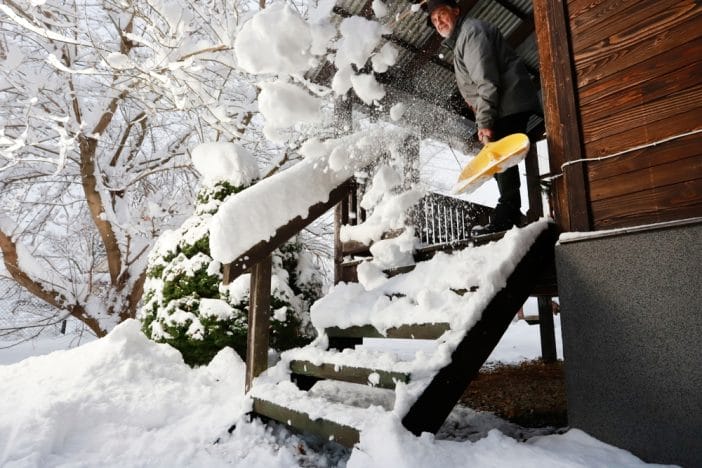
When the temperatures drop, most homeowners assume their outdoor belongings can tough it out until spring, but winter has a way of proving otherwise. Cold snaps, ice storms, and constant moisture can quietly destroy items you rely on all year long. Knowing what’s vulnerable to winter damage can save you money, prevent unexpected repairs, and protect the things you use most. Here are 10 things you shouldn’t keep outside when the temps drop.
1. Garden Hoses
Garden hoses may look tough, but they’re one of the first victims of harsh damage in the winter. Water trapped inside expands as it freezes, causing the hose lining to crack or split. Even heavy-duty hoses can weaken after repeated freeze-thaw cycles. Leaving them attached to the spigot can also push ice back into your plumbing, creating a much bigger problem. Draining and storing hoses indoors is the easiest way to keep them working for years.
2. Outdoor Cushions
Outdoor cushions absorb moisture even when they feel dry on the surface, making them extremely vulnerable to winter damage. Once freezing temperatures hit, that trapped moisture expands and breaks down the foam and stitching. Mold and mildew also thrive in cold, damp environments, leaving cushions smelly and stained by spring. Even “weather-resistant” fabrics aren’t designed for months of freezing conditions. Bringing cushions inside or storing them in airtight bins protects your investment.
3. Clay Pots
Clay pots are beautiful, but they’re notorious for cracking under winter pressure. The porous material absorbs water, and when that water freezes, the pot can split clean in half. Even empty pots can hold enough moisture to be a problem. Sudden temperature swings make the problem worse, especially in regions with frequent freeze-thaw cycles. Storing clay pots in a garage or shed is the safest way to keep them intact.
4. Patio Umbrellas
Patio umbrellas may seem harmless to leave outside, but winter weather can destroy them quickly. The fabric becomes brittle in freezing temperatures, making it prone to tearing. Metal frames can rust or warp when exposed to moisture and ice. Windstorms also put unnecessary stress on the joints, leading to breakage. Folding and storing umbrellas indoors prevents this from happening.
5. Plastic Storage Bins
Plastic bins left outdoors often crack once the cold sets in. Many plastics become brittle in freezing temperatures, especially when exposed to sunlight and moisture. A single impact, like a falling branch or shifting ice, can cause them to shatter. Lids warp easily, allowing snow and water to seep inside. If you rely on outdoor bins, choose heavy-duty, cold-rated materials or bring them inside to avoid winter damage.
6. Lawn Tools
Lawn tools may seem indestructible, but winter weather can shorten their lifespan. Metal blades and handles rust quickly when exposed to snow and ice. Wooden handles absorb moisture, causing them to swell, crack, or loosen. Leaving tools outside also dulls blades and weakens joints. Storing them in a dry shed or garage protects them from unnecessary damage.
7. Outdoor Toys
Kids’ outdoor toys are often made from lightweight plastic that doesn’t hold up well in freezing temperatures. Cold weather makes the material brittle, causing cracks or breaks with even light pressure. Water trapped inside hollow toys expands and splits seams. Sun exposure during winter can also fade colors and weaken structural integrity. Bringing toys indoors keeps them safe.
8. Grills
Grills are built for heat, not freezing temperatures. Moisture can seep into burners, grates, and internal components, causing rust and corrosion. Freezing rain and snow can damage ignition systems and clog gas lines. Even stainless steel can discolor or weaken when exposed to harsh winter conditions. Using a high-quality cover or storing the grill in a sheltered area prevents costly winter damage.
9. Outdoor Electronics
Anything with wiring or batteries is at high risk outdoors during winter. Freezing temperatures drain batteries, crack casings, and damage internal components. Moisture from snow and ice can short-circuit electronics instantly. Even weather-resistant devices aren’t designed for prolonged exposure to extreme cold. Bringing electronics inside is the only reliable way to avoid problems.
10. Potted Plants
Many potted plants simply can’t survive winter outdoors, even if the species is cold-tolerant. Soil in containers freezes faster than ground soil, damaging roots. Pots can crack, and plants can dry out due to cold winds. Repeated freeze-thaw cycles stress the plant and reduce its chances of bouncing back in spring. Moving pots to a sheltered area gives them a much better chance of survival.
Why Protecting Your Belongings Now Saves You Money Later
Winter has a way of exposing weaknesses in everyday items, especially those not designed for months of freezing temperatures. A few minutes of preparation can prevent expensive replacements and frustrating surprises once spring arrives. Understanding how winter damage affects different materials helps you make smarter decisions about what stays outside and what needs shelter. Whether it’s a simple garden hose or a pricey grill, protecting your belongings is always worth the effort. A little prevention now leads to a smoother, less stressful winter season.
Which outdoor item has winter ruined for you in the past? Share your experience in the comments.
What to Read Next
5 Things You Actually Need To Survive A Winter Storm (It’s Not Bread And Milk)
8 Subtle Ways Winter Changes How Men Carry Themselves
Winter Darkness Affects Men’s Self-Image More Than They Realize
The Winter Habits That Slowly Turn Small Disagreements Into Resentment
Home Inspectors Say These Winter Fixes Lead to Expensive Repairs Later
