
10 Cities Where Homeowners Are Suddenly Becoming Renters Again
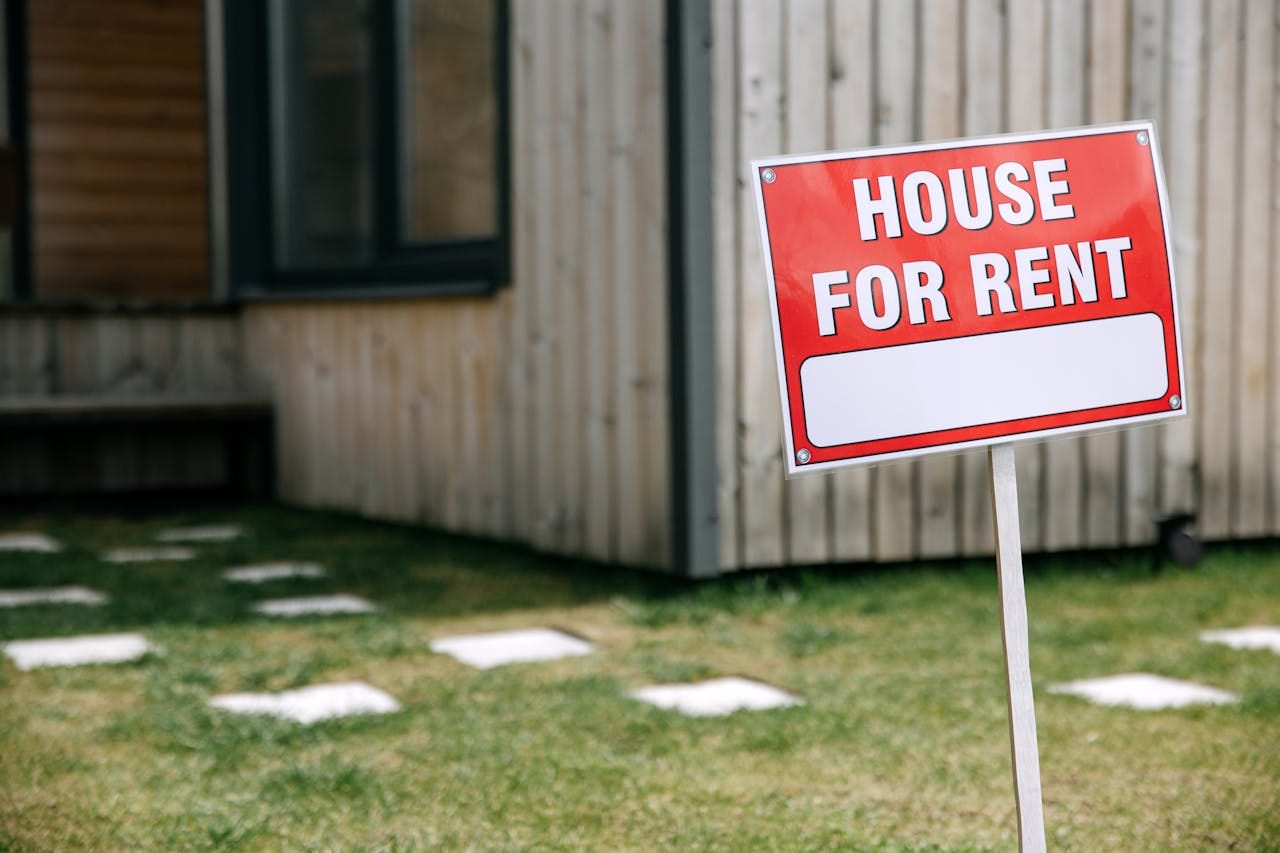
Homeownership has long been a symbol of stability and financial progress in America. But lately, a surprising trend is emerging: in many cities, homeowners are selling up and returning to the rental market. Rising mortgage rates, property taxes, and insurance costs have pushed some families to reconsider the costs and responsibilities of owning a home. Others are cashing in on high home values and choosing flexibility over roots. These shifts are reshaping neighborhoods and local economies. Understanding where and why this is happening can help you make more informed decisions, whether you’re considering buying, selling, or renting.
Let’s take a look at ten U.S. cities where this shift is happening fast—and what’s driving it.
1. Austin, Texas
Austin’s real estate market has been on a wild ride over the past decade. Home prices soared, then cooled as higher interest rates hit. Many recent buyers saw their monthly payments balloon. Now, a growing number of homeowners are selling and moving into rentals, seeking relief from property taxes and unpredictable maintenance costs. In some neighborhoods, rental inventory has surged as former owners look for more affordable living arrangements. For many, renting in Austin now means less stress and more flexibility.
2. San Francisco, California
San Francisco’s housing costs remain among the highest in the nation. Even long-time homeowners feel the pinch from property taxes and costly repairs. Some are opting to sell while prices are still high and become renters instead. With remote work more common, many are moving to less expensive neighborhoods or even out of the city. The trend of homeowners becoming renters is visible in the number of single-family homes being converted into rental units.
3. Seattle, Washington
Seattle has seen a boom in tech jobs and population growth, driving up home prices. But now, higher mortgage rates and a spike in property taxes are making it harder to keep up. Some homeowners are cashing out and moving into high-end rental apartments, enjoying amenities without the headaches of home maintenance. The flexibility to relocate for work—or just for a change—has become more appealing than staying tied to a mortgage.
4. Phoenix, Arizona
Phoenix was a hot spot for homebuyers during the pandemic, but things are changing. Rising insurance rates and utility bills have made ownership more expensive. Many homeowners are selling at a profit and opting to rent instead. For retirees and young professionals alike, renting means fewer worries about repairs and fluctuating costs, especially as the city’s housing market begins to cool.
5. Denver, Colorado
Denver’s rapid growth has brought higher home values—and higher costs. Some homeowners, especially those who bought at the market’s peak, are now struggling with large payments. The city’s robust rental market offers attractive options, from downtown lofts to suburban townhomes. More residents are choosing to rent, prioritizing lifestyle and flexibility over traditional homeownership.
6. Miami, Florida
Miami’s real estate market is known for its fluctuations. Recent spikes in hurricane insurance premiums and property taxes have prompted some homeowners to reevaluate their choices. Many are selling and renting instead, especially in popular neighborhoods where rental amenities are top-notch. The trend of homeowners becoming renters is visible in local moving statistics and rental demand reports.
7. Nashville, Tennessee
Nashville has attracted new residents from across the country, driving up prices. But with mortgage rates higher than expected and construction costs rising, some homeowners are opting to rent again. Renting offers relief from ongoing repair bills and gives people more options if they want to relocate quickly for work or family reasons.
8. Boston, Massachusetts
Boston’s historic homes can be beautiful—but expensive to maintain. Property taxes and renovation costs add up fast. As a result, some longtime homeowners are selling and moving into luxury rentals downtown or in nearby suburbs. This shift is changing the makeup of neighborhoods and driving new investment in rental properties.
9. Atlanta, Georgia
In Atlanta, the cost of living has jumped, and so have home prices. For some, the math just doesn’t add up anymore. More homeowners are opting to rent, particularly younger families who want to maintain their flexibility. The city’s rental market is responding with new developments and a wider range of choices, making the transition easier.
10. Portland, Oregon
Portland’s quirky charm and natural beauty have attracted many new residents. But rising costs and stricter regulations on short-term rentals have made ownership less appealing for some. Homeowners becoming renters is a growing trend here, with many opting for apartments or rental homes that offer more predictable expenses and less hassle.
What This Means for Homeowners and Renters
The trend of homeowners becoming renters isn’t just a blip—it’s changing the way people think about where and how they live. For many, the financial and lifestyle benefits of renting now outweigh the traditional advantages of owning. This shift is also creating new opportunities for investors and reshaping local housing policies.
If you’re considering a move, it’s worth researching how the market is shifting in your city.
Are you noticing an increase in homeowners becoming renters in your area? Share your experience or questions in the comments below!
What to Read Next…
- Dream House Disappointment: Why Homeownership Isn’t Always Worth It
- Middle Class Homes Being Bought Up By Investment Firms
- Why Retirees Are Suddenly Leaving Florida In Record Numbers
- 6 Cities Where Gentrification Has Pushed Out Entire Senior Communities
- What Real Estate Agents Quietly Admit About Senior Sellers
