
10 Car Accessories That Trigger Higher Police Stops
You might think that the coolest car accessories make your ride stand out in style. But some of those flashy upgrades can draw unwanted attention from law enforcement. Knowing which accessories are more likely to trigger police stops can help you make smarter choices, avoid hassles, and stay safe. Here are 10 car accessories that often increase the odds of being pulled over and tips for what to do instead.
1. Underglow and Neon/LED Accent Lighting
Underglow and neon lights look cool, especially at night, but they can be illegal depending on the location. Many states ban underbody lights that mimic emergency vehicle lights, especially colors like red, blue, or flashing/oscillating patterns. Even a non-flashing underglow can lead police to believe you’re attempting to impersonate an official vehicle. If the law is vague (as it often is), any extra under-lighting becomes a good excuse for a traffic stop. If you love the look, use colors that are permitted, ensure they are steady (non-flashing), and check your local vehicle code before installing.
2. Excessively Tinted Windows
Window tint can provide privacy, help with glare, and make your car look sleek, but when the tint is too dark, it’s a common reason for officers to pull someone over. Laws vary wildly from state to state about how much tint is allowed and on which windows (front side, rear side, windshield). Dark tints reduce visibility inside the vehicle, and that’s enough for many officers to stop a car just to check. If you frequently travel across state lines, a tint that’s legal in one jurisdiction may be illegal in another. Always know the tint limits where you drive regularly, and avoid using tint that blocks too much light or reduces the view inside your car.
3. Loud or Modified Exhaust and Mufflers
Swapping out the factory muffler or exhaust system for something louder is popular among car enthusiasts, but it also gets noticed fast. Many jurisdictions have strict decibel limits or require “noise-dissipative” devices on exhaust systems. Even if you’re not revving aggressively, a modified exhaust tends to draw the ear of nearby law enforcement. Sometimes these modifications violate emissions standards too, compounding the issue. If you want an enhanced sound, make sure your exhaust is both legal under noise regulations and properly maintained with required components.
4. Bright or Non-Standard Headlights / Projector Lights
Upgrading to super-bright LEDs, HID bulbs, or projector-style headlights can improve night visibility, but if they’re misaligned, too bright, or not DOT-approved, they can look like your beams are blinding other drivers. That’s a common justification for a stop. Also, colored or flashing headlights (blue, purple, etc.) are often restricted or banned, depending on the state. Even OEM replacements can violate the law if not installed correctly. To avoid trouble, choose bulbs certified for street use, aim them properly, and use colors that match legal norms.
5. Window Stickers, Decals, Dash Hangings & Rearview Mirror Clutter
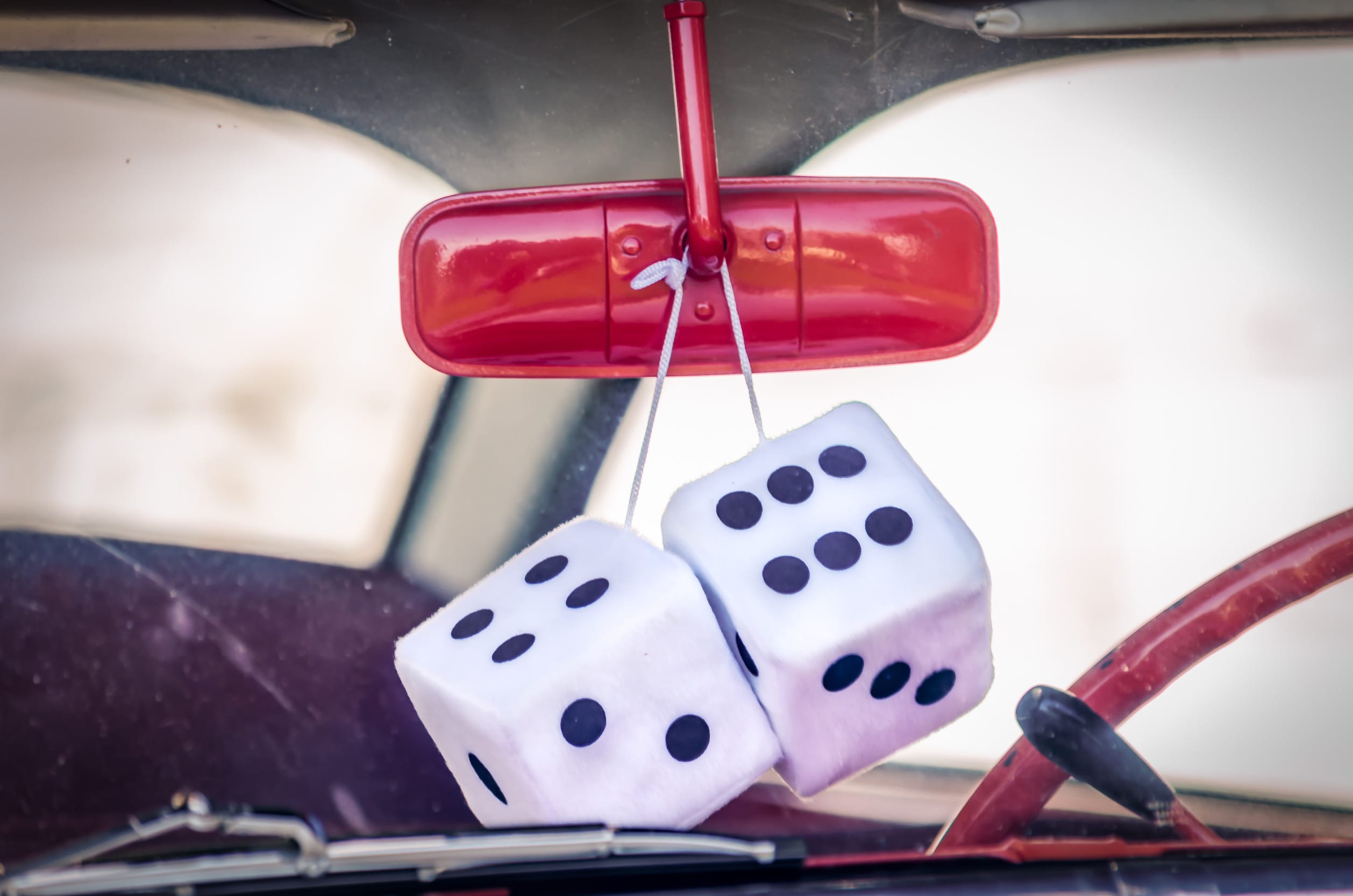
You’ve probably seen vehicles plastered with stickers, decals, flags, or hanging objects from the mirror. These can be fine, but when they obstruct visibility or mimic official signage, they become red flags for police. Laws about “obstruction of view” often include anything placed on or hanging from a windshield or rear window. Sometimes, even small items dangling from a rearview mirror are enough to merit a stop in certain jurisdictions. If you like decorating your car, be selective: avoid placing stripes, flags, or decals that cover much of any window, and keep mirror mobs minimal or off.
6. License Plate Covers, Frames, or Alterations
License plates are required by law to be clearly readable. Using covers or frames that distort, obscure, bend, or tint the plate can violate the law. Some novelty or decorative frames make part of the plate hard to read from certain angles. Even transparent covers that gloss or protect the plate may be illegal, depending on reflectivity or clarity. Because plate visibility is easy for police to check from a distance, this is a very common reason for a stop. If you use a frame at all, pick one that doesn’t obscure any letters or numbers, stays within legal bounds, and avoids anything that looks like it could interfere with automated or manual reading.
7. Suspicious Lights or Flashing LEDs (Interior or Exterior)
Any extra lights that flash, strobe, or look unusual (especially colors used by emergency vehicles) will attract attention fast. Interior LED strips, colored dash blades, or roof-mounted strobes intended for off-roading might look fun, but they can violate state laws concerning light colors and functions. Some states prohibit any light visible from the front or rear that could be mistaken for warning lights. Even decorative lighting inside the car, seen through the windows, can be used as a reason to pull you over. Using lights only when parked, choosing non-flashing, legal colors, and ensuring they’re not visible to officers behind or ahead can reduce your risk.
8. Lowered or Raised Suspension, Excessive Lift, Hydraulics
Modifying a car’s ride height (either too low or too high) is more than just aesthetic. If your car is dangerously low, damaged easily by road hazards, or violates ground clearance laws, that’s a red flag. High lifts or hydraulics that raise a car too much or adjust while driving are often regulated or prohibited. These modifications may lead to issues with headlight aim, bumper height, or other safety-related standards. Police sometimes use ride height or unusual body posture as probable cause to inspect. If you modify suspension, make sure the ride height stays within legal minimums and that modifications are safe, well-built, and documented.
9. Impersonation Accessories (Lights, Sirens, Bars)
Accessories that mimic law enforcement gear (lights, sirens, light bars, police-style grills or decals) are almost always problematic. Using them can appear to be impersonating emergency services, which is a serious offense in many jurisdictions. Even having a light bar mounted (non-functional or decorative) or badges on your vehicle, similar to police or governmental IDs, can be used as a cause for stops. If installed, even if only for show, they paint you as a potential risk in the eyes of law enforcement. Avoid any accessory that could create confusion about whether you are an official vehicle, and remove anything that looks like a law enforcement tool.
10. Radar Detectors & Laser Jammers in States Where They’re Illegal
Radar detectors are popular among drivers who like to avoid speeding tickets. But in many states (especially in commercial vehicles or certain zones), radar detectors or laser jammers are illegal. Even where legal, having one visible can encourage officers to pull you over to investigate. Some detectors are also used as a pretext for deeper searches or investigations once stopped. If you want one, keep it concealed if legal, know your local laws, and ensure it’s certified or Dyson-approved if that matters.
How to Accessorize Without Becoming a Target
These car accessories trigger higher police stops because they raise visibility, suspicion, or violate safety norms. If you want your car to look good and stay safe from traffic stops, pick upgrades that are clearly legal in your area. Regularly check your state’s vehicle codes, avoid anything that obstructs visibility or mimics emergency signals, and stay within lighting/noise tolerances. When you do modify something, keep receipts and documented specs so you can prove legality if needed. Smart accessories can enhance your ride; unnecessary ones can invite trouble.
Which car accessory do you think causes the most stops, and have you ever been pulled over because of something like this? Tell your story in the comments.
